Focused arrival windows
Useful updates and clear arrival timing.
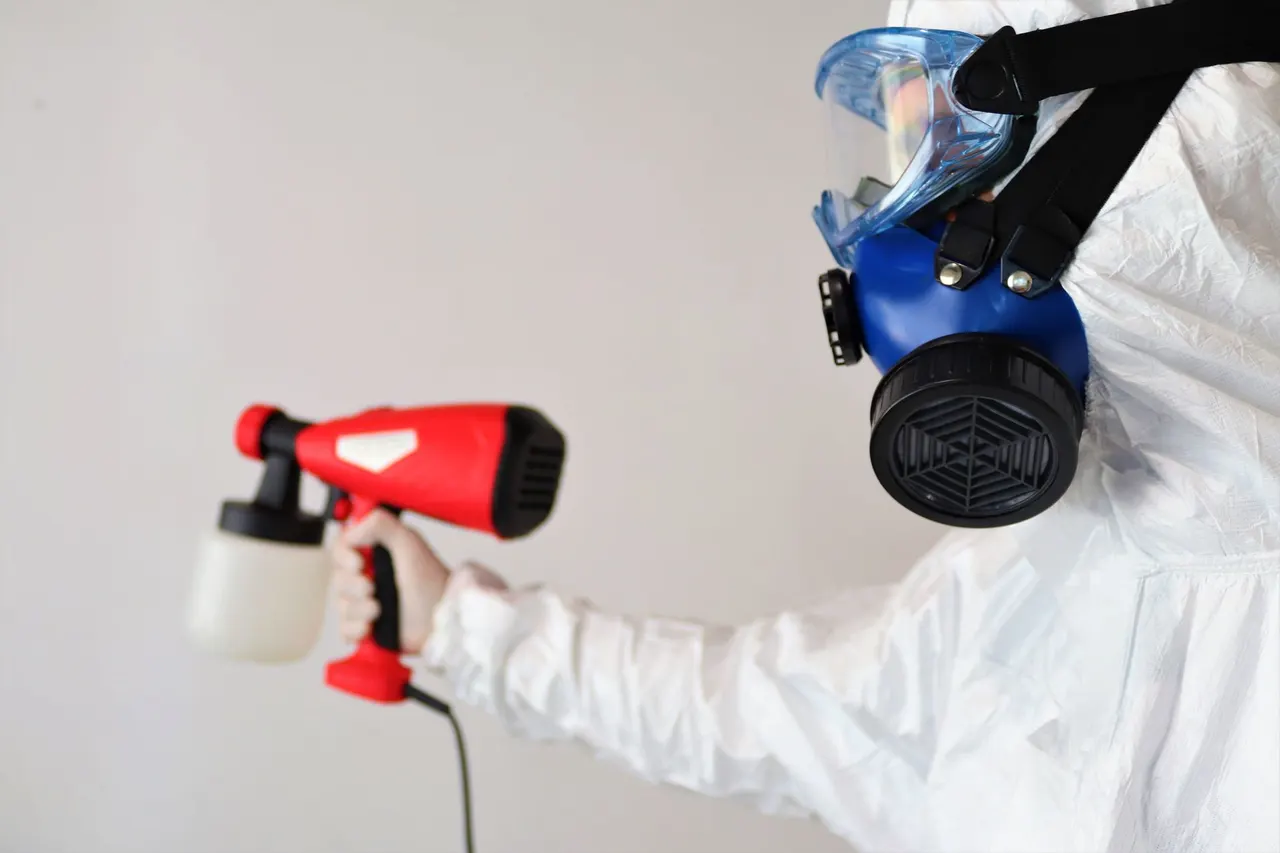
Attic Spray Foam Removal in Halifax clears failed foam from your roof space so timber can dry and lenders stop asking questions. We handle open cell and closed cell foam, cut it back to the rafters, and leave the loft ready for proper insulation. Modern Touch Spray Foam has worked Halifax roofs since 2022, covering Siddal, Pellon, Skircoat Green and the surrounding valleys. Same-day surveys, fixed quotes, no mess left behind.
Useful updates and clear arrival timing.
Review the approach and price before deciding.
Equipped vehicles and respectful cleanup.
Neighbors serving neighbors with follow-through.
Every Halifax removal job includes the survey, the cutting and extraction, the timber inspection, the clean-up and the documentation pack. We quote the whole job as one fixed price, so there is no separate charge for the survey or the waste disposal. Extra work such as timber replacement or new insulation is priced and agreed before we start.
We inspect the foam coverage, check for damp, rot and cavity wall damp, and measure the loft. You get a fixed written price the same day, usually within two hours of the visit. No charge, no obligation.
We cut and remove open cell and closed cell spray foam from rafters, roof decks and trusses using a spray foam cutting saw, oscillating multi-tool and thermal removal tools. All foam is bagged and taken away.
Once the foam is gone we check every rafter for rot and structural timber damage. Affected timbers are treated or replaced, and we record moisture readings so you can see the condition of the roof structure in numbers.
Air scrubbers and an industrial vacuum run throughout the job, and the loft hatch is sealed to keep dust out of the house. We vacuum the loft floor and landing before we leave, and take all waste for licensed disposal.
You receive dated before-and-after photos of the exposed rafters, moisture readings and a written summary of the roof condition. Halifax surveyors and mortgage lenders accept this pack as evidence the foam has been removed.
Share what is happening and receive a clear next step from the local team.
Attic Spray Foam Removal in Halifax is the controlled cutting, scraping and extraction of cured polyurethane foam from the underside of your roof covering and between rafters. Foam sprayed years ago by a previous owner or a now-defunct installer often hides rotten battens, blocked ventilation and damp timbers. We cut it back with a spray foam cutting saw and oscillating multi-tool, bag it, and vacuum the dust with an industrial vacuum so the loft is clean enough to inspect. Nothing gets left on the joists.
Most Halifax homeowners call us after a mortgage lender refusal or a surveyor flags spray foam overspray across the roof timbers. Others notice damp and condensation building up because the foam sealed the roof and killed airflow. If you need Attic Spray Foam Removal Halifax near me and want it sorted before a sale completes, we can usually survey within 24 hours. We also cover Loft spray foam removal Halifax West Yorkshire for landlords and housing associations across Calderdale.

We inspect the loft, measure the foam coverage, and check for roof timber rot, damp and cavity wall damp. You get a fixed written price the same day, usually within two hours of the visit. Surveys across Halifax are free and take about 45 minutes.
Before any cutting starts we lay dust sheets, seal the loft hatch, and set up an air scrubber to pull fine particles out of the air. Our technicians wear PPE respirator masks and disposable suits. This keeps foam dust out of your bedrooms and off the carpets.
We cut the foam back with a spray foam cutting saw and oscillating multi-tool, working rafter by rafter. Stubborn patches come off with thermal removal tools or dry ice blasting machine passes. An industrial vacuum runs constantly, so the loft stays workable rather than choking with debris.
With the foam gone we check every rafter for rot, damp and structural timber damage. Any affected timber is treated or replaced, and we photograph the whole roof structure for your records. This is the evidence your mortgage lender or surveyor will want to see.
We bag all foam, vacuum the loft floor, and take the waste away for licensed disposal. You get a completion pack with before-and-after photos, moisture readings and a workmanship warranty. Most lofts take one to two days from start to finish.
Cuts through dense closed cell foam in straight, controlled passes so we can peel it off the rafters without gouging the timber.
Reaches into corners, trusses and tight rafter bays where a saw will not fit. Ideal for trimming foam around pipes, cables and roof vents.
Soften the bond between foam and timber so it lifts away with less force, which protects older and brittle rafters common in Halifax stone cottages.
Freezes and lifts foam residue from delicate surfaces such as felt and tiles where abrasive methods would cause damage.
Runs throughout the job to capture foam dust and debris at source, keeping the loft workable and your house clean.
Filters fine particles out of the air in the loft and landing, so dust does not migrate into bedrooms and living spaces.
Every technician wears a fitted respirator, disposable suit, gloves and eye protection. Foam dust is not something to breathe in.
We work to PAS 2035, the standard that governs retrofit insulation work in the UK. It means the removal and any subsequent insulation is specified, installed and documented to a recognised benchmark that lenders and surveyors understand.
Rather than hacking at the foam, we work methodically across the roof, clearing one rafter bay at a time. This lets us inspect the timber as we go and spot rot or damp before it spreads.
We seal the loft hatch, sheet up the landing and run air scrubbers and vacuums continuously. Dust is captured at source instead of settling through the house.
We take moisture readings across the roof structure before and after removal. The numbers go into your report, giving lenders and surveyors hard evidence of the timber condition.
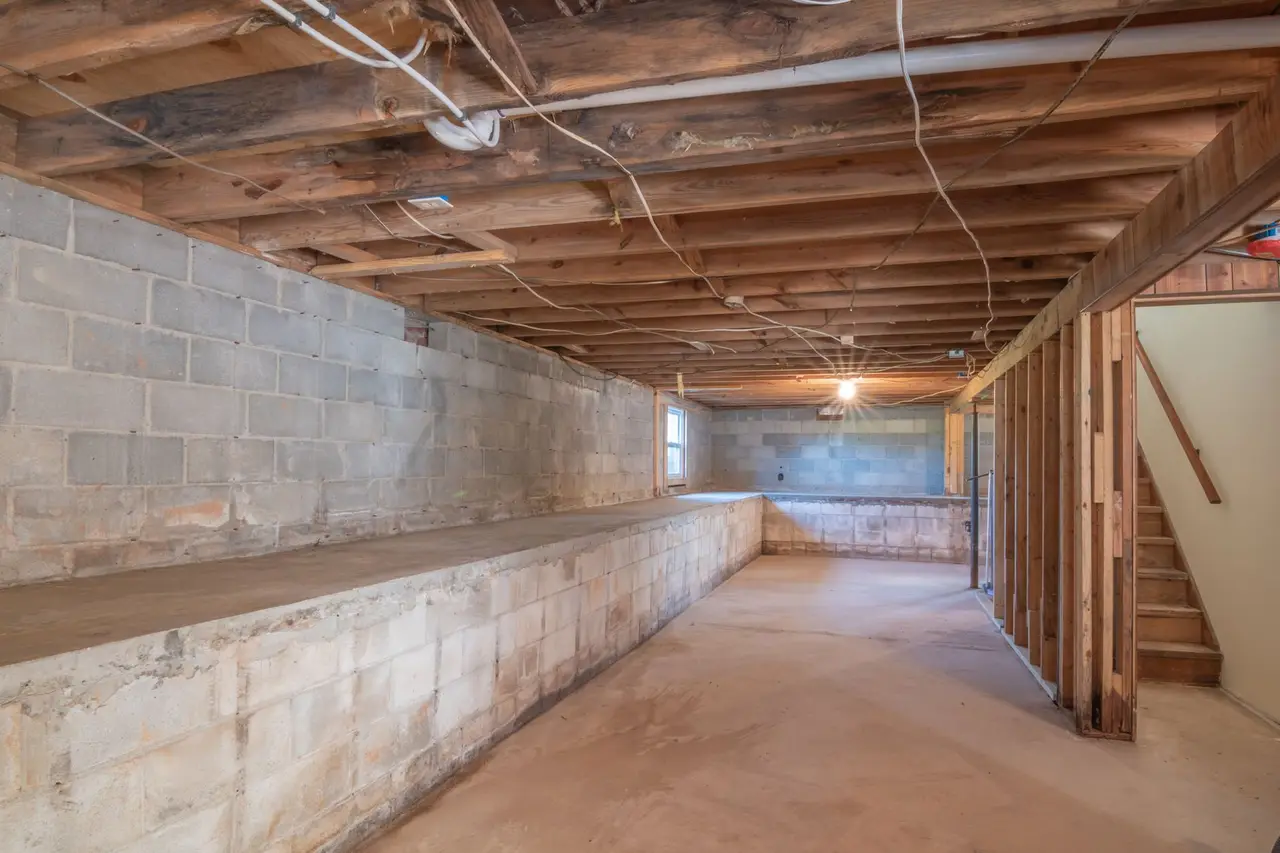
We survey within 24 hours, remove the foam, inspect the timbers and issue a dated photo pack and moisture report. We prioritise sales that are already in progress so the chain does not collapse. The buyer's lender signs off, the sale completes, and you have documentation showing the roof structure is sound for future buyers.
We cut the foam back with a spray foam cutting saw and oscillating multi-tool, vacuum the dust, check the rafters for rot and reinstate ventilation at the eaves. The damp smell clears within a week, stored items stop getting wet, and the loft is ready for compliant loft insulation.
We remove the foam from both lofts in a single visit, treat the damp timbers we find, and provide a report for the landlord's records and the tenants. Condensation complaints stop, the properties stay lettable, and the landlord avoids a much larger repair bill for rotten rafters.
We use thermal removal tools and dry ice blasting machine passes on the delicate surfaces, cutting the foam away without damaging the felt or the brittle timber underneath. The roof structure is exposed and found sound, saving a full re-roof, and the cottage keeps its original stone and slate.
Halifax roofs take a beating. Driving rain off the Pennines, cold winters and old stone-built housing stock mean foam that seals a roof causes damp fast. Most of the lofts we clear are in Victorian terraces and 1930s semis where foam was sprayed a decade or more ago, often by an installer who has long since disappeared. We know the roof types around Halifax City Centre, Pellon and Sowerby Bridge, and we know which ones hide rot under the foam. If you are pricing up Attic Spray Foam Removal Halifax West Yorkshire cost, the survey tells you the real number. We work to PAS 2035 and document every job so lenders and surveyors can see the roof structure is sound. For sales already in progress we offer Loft spray foam removal Halifax same day surveys and prioritise the removal to keep your chain moving.
Large Victorian villas with steep roof pitches and deep loft spaces. Foam often hides rot in the valley rafters, so we inspect carefully once it is off.
Dense terraced housing with small loft hatches and limited access. We use compact cutting tools and work in short stages to keep dust contained.
Mixed stone and brick terraces where foam was commonly sprayed across the roof deck. Damp and condensation complaints are frequent here.
Older stone properties close to the river, where high humidity speeds up timber rot under sealed foam. Moisture readings matter more here than anywhere.
Stone cottages with delicate slate roofs. We use thermal tools and dry ice blasting rather than abrasive methods to protect the roof covering.
Moisture gets into the roof structure and cannot escape once foam seals it. Rot develops faster in Halifax than in drier parts of Yorkshire, so early removal matters.
Repeated freezing and thawing stresses old tiles, felt and mortar. Foam that traps moisture against the roof deck makes the damage worse each winter.
Older roofs were never designed for modern spray foam. Rafters are thinner, ventilation gaps are smaller, and the timber is more vulnerable to damp and rot.
Small hatches and low headroom slow the work down. We plan access and dust control around it so the job still finishes in one to two days.
A Victorian villa in Skircoat Green had closed cell foam sprayed across the entire roof deck. The buyer's lender refused the mortgage and the sale stalled. The loft was sealed, damp and smelled musty, with no way to inspect the timbers.
We removed the foam over two days, inspected every rafter and found two damp battens which we treated. Moisture readings dropped from 24 percent to 14 percent. The dated photo pack went to the lender and the sale completed three weeks later.
Maintenance: Keep the loft ventilated and check the eaves vents each autumn. If you plan to add loft insulation, use a breathable product and leave a clear air gap at the rafters.
A landlord's two Siddal terraces had foam-sealed lofts and tenants complaining about condensation dripping onto stored boxes. The loft smelled damp and the foam was bonded hard to the rafters, hiding the timber condition.
We cleared the foam from both lofts in a single visit, treated three damp rafters and reinstated ventilation at the eaves. Condensation complaints stopped within a week and the loft stayed dry through the following winter.
Maintenance: Ask tenants to keep loft storage clear of the eaves vents and check for damp patches each spring. A quick moisture check every couple of years catches problems early.
A stone cottage near Hebden Bridge had thick closed cell foam bonded to old, brittle rafters under a slate roof. The owner had been told the roof was a write-off and was facing a five-figure re-roof bill.
We used thermal removal tools and dry ice blasting machine passes to lift the foam without damaging the felt or slate. The rafters underneath were sound. The owner kept the original roof and saved thousands of pounds.
Maintenance: Have the slate and felt checked every few years, and keep the loft free of stored items that block airflow. Report any new damp patch promptly rather than waiting for the next survey.
Spray foam causes a handful of predictable problems in Halifax lofts, and they get worse every winter they are left alone. Here are the ones we see most often, and what we do about them.
The sale stalls, your buyer walks away, and you are back on the market with a surveyor's report that flags the foam. Every week of delay costs you money and stress. We remove the foam, photograph the exposed rafters and supply a dated moisture report. Halifax lenders and surveyors accept this pack, and most sales resume within a fortnight of the report landing with the buyer's solicitor.
Sealed foam stops the roof breathing. Warm air condenses on the cold foam surface and drips onto stored items, insulation and timbers, causing mould and a musty smell through the house. We cut the foam back to the rafters and reinstate ventilation so air moves again. Moisture readings before and after show the loft drying out, and most customers notice the smell has gone within a week of the job.
Foam holds moisture against timber for years. Battens soften, rafters rot and the roof structure weakens, which is when repair bills jump from hundreds to thousands of pounds. We inspect every rafter once the foam is off, treat or replace affected timber, and record the condition with photos and moisture readings. Catching rot early is the difference between a repair and a re-roof.
Foam sprayed beyond the intended area covers tiles, felt and trusses, and it is the first thing a surveyor notices. It makes the whole roof look badly installed, even where the foam itself is sound. We remove overspray carefully with thermal tools and dry ice blasting machine passes where the surface is delicate, then clean the area down. The roof structure is left visible and inspectable, which is what lenders want to see.
Most Halifax lofts cost between 1,200 and 3,500 pounds in 2026, depending on foam coverage, access and whether timbers need treatment. A simple semi-detached loft with light foam sits at the lower end. Full roof decks, awkward trusses or rot repairs push it higher. We give you a fixed price after a free survey, so you know the number before we cut anything.
The best firm is the one that documents the roof properly and stands behind the work. We have removed foam from Halifax lofts since 2022, hold TrustMark and CHAS accreditation, and supply a photo pack lenders accept. Ask any contractor for before-and-after photos of exposed rafters and a written moisture report. If they cannot show you that, keep looking.
Yes. We cover the whole of Halifax and Calderdale, including Sowerby Bridge, Siddal, Skircoat Green, Pellon, Ovenden, Brighouse, Elland and Hebden Bridge. Surveys are free and usually booked within 24 hours. For sales that are already under offer we can prioritise the job and often complete within a week of the survey.
You need it if a mortgage lender has refused your property, if a surveyor has flagged spray foam overspray, or if your loft has damp, condensation or a musty smell. Foam that seals the roof traps moisture against timbers and causes rot over time. If you are unsure, book a free survey and we will tell you honestly whether removal is necessary.
Not seeing your question? Our local team can help you understand urgency, scheduling and what to expect.
Ask the local team
If you are searching for spray foam removal near me in Halifax, we cover every postcode in the town and the surrounding Calderdale villages. Same team, same fixed pricing, whether the foam is in a loft, a cavity or under a roof deck.
View service
When a sale is stalling or a surveyor is due, we can often get a survey done the same day you call. Full removal usually follows within days, not weeks, so your Halifax property keeps moving through the buying process.
View serviceWater pouring through a foam-sealed roof at 2am needs a fast answer. Our 24/7 line covers Halifax for emergency callouts, and we can make the roof safe and start removal as soon as daylight allows.
View serviceMost of our Halifax work is residential: terraces, semis, detached stone cottages and bungalows. We remove foam from lofts, rafters and roof decks, then leave the space clean and ready for new insulation.
View service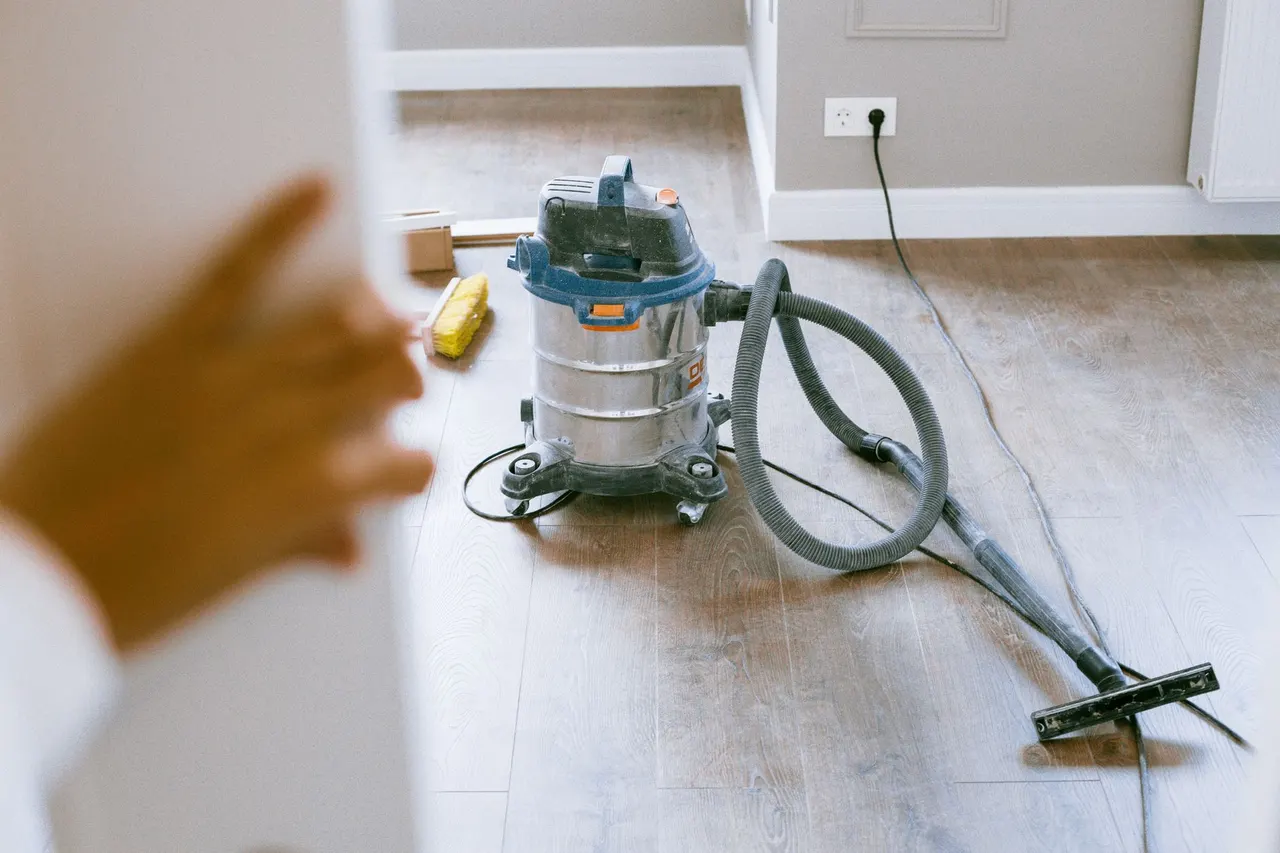
Ring 01422747049 or email info@moderntouchsprayfoam.com and we will get back to you the same working day. We are on the phone from 8am to 6pm Monday to Friday, and the 24/7 line is always open for emergency call-outs across Halifax. Tell us what you have seen and we will tell you what it needs.