Focused arrival windows
Useful updates and clear arrival timing.

Loft Spray Foam Removal in Halifax is what we do every week, from Siddal terraces to Skircoat Green semis. If spray foam is trapping damp in your roof timbers or a lender has flagged it, we cut it out, clean the rafters back and leave the loft ready for proper insulation. Same-day surveys across West Yorkshire.
Useful updates and clear arrival timing.
Review the approach and price before deciding.
Equipped vehicles and respectful cleanup.
Neighbors serving neighbors with follow-through.
Every Halifax removal we do includes the survey, the dust control, the full strip-out, the timber clean and the written record. There is no charge for the waste and no hidden extras added at the end of the job.
We get into the loft, identify the foam type, measure coverage and check for damp or rot. You get a fixed written price the same day, normally within two hours of the visit.
Cutting, breaking away and extraction of all spray foam from the rafters, battens and trusses. We use a spray foam cutting saw, oscillating multi-tool and industrial vacuum with sealed waste bags.
Every rafter and batten scraped and brushed back to bare wood, then vacuumed again. This is the step that lets the roof dry out and satisfies a surveyor that the foam is genuinely gone.
Loft hatch sealed, stairs and landing sheeted, air scrubber running throughout. We treat your home like it is occupied, because it is. Setup adds about 30 minutes to every job.
Dated before-and-after photos, foam type noted, timbers documented. This is the document your mortgage lender or surveyor will ask to see, and we hand it over at completion.
All removed foam is bagged and taken away for licensed disposal. You do not need to hire a skip and you do not pay extra for the waste. It is part of the fixed price.
Share what is happening and receive a clear next step from the local team.
Loft Spray Foam Removal in Halifax is the controlled cutting, breaking up and extraction of spray foam insulation from a roof space, followed by cleaning the timbers back to bare wood. We deal with open cell spray foam, closed cell spray foam and older polyurethane foam, using a spray foam cutting saw, an oscillating multi-tool and an industrial vacuum with HEPA filtration. The foam comes out in sections, the rafters get scraped and brushed, and every cavity is checked for overspray before we finish.
Most Halifax jobs start with the same trigger: a surveyor or mortgage lender refusal because foam was sprayed directly onto the underside of the roof covering. That foam hides damp and condensation, and it stops the roof breathing. Left alone, it leads to roof timber rot, structural timber damage and a much bigger bill. If you have been searching for Loft Spray Foam Removal Halifax near me, we cover the whole town and the surrounding valleys.

We come out, get into the loft, and check foam type, depth and coverage. We look at the roof covering, the ventilation gaps and any signs of damp or rot. You get a written fixed price the same day, usually within two hours of the visit.
On the day, we sheet up the landing and stairwell, seal the loft hatch and run an air scrubber to keep dust out of the house. PPE respirators go on before the first cut. Setup takes about 30 minutes on a typical Halifax semi.
We cut the foam into manageable sections with a spray foam cutting saw and an oscillating multi-tool, then break it away from the rafters by hand where it is loose. An industrial vacuum pulls the debris straight into sealed bags. A standard loft takes four to seven hours.
This is the part most cheap jobs skip. We scrape and brush every rafter, batten and truss back to bare timber, then vacuum the whole roof space again. Any overspray on the party wall or gable is removed with dry ice blasting or thermal removal tools.
We walk you through the finished loft, show you the cleaned timbers and hand over a removal record with before-and-after photos. That document is what your lender or surveyor wants to see. We take the waste away and dispose of it correctly.
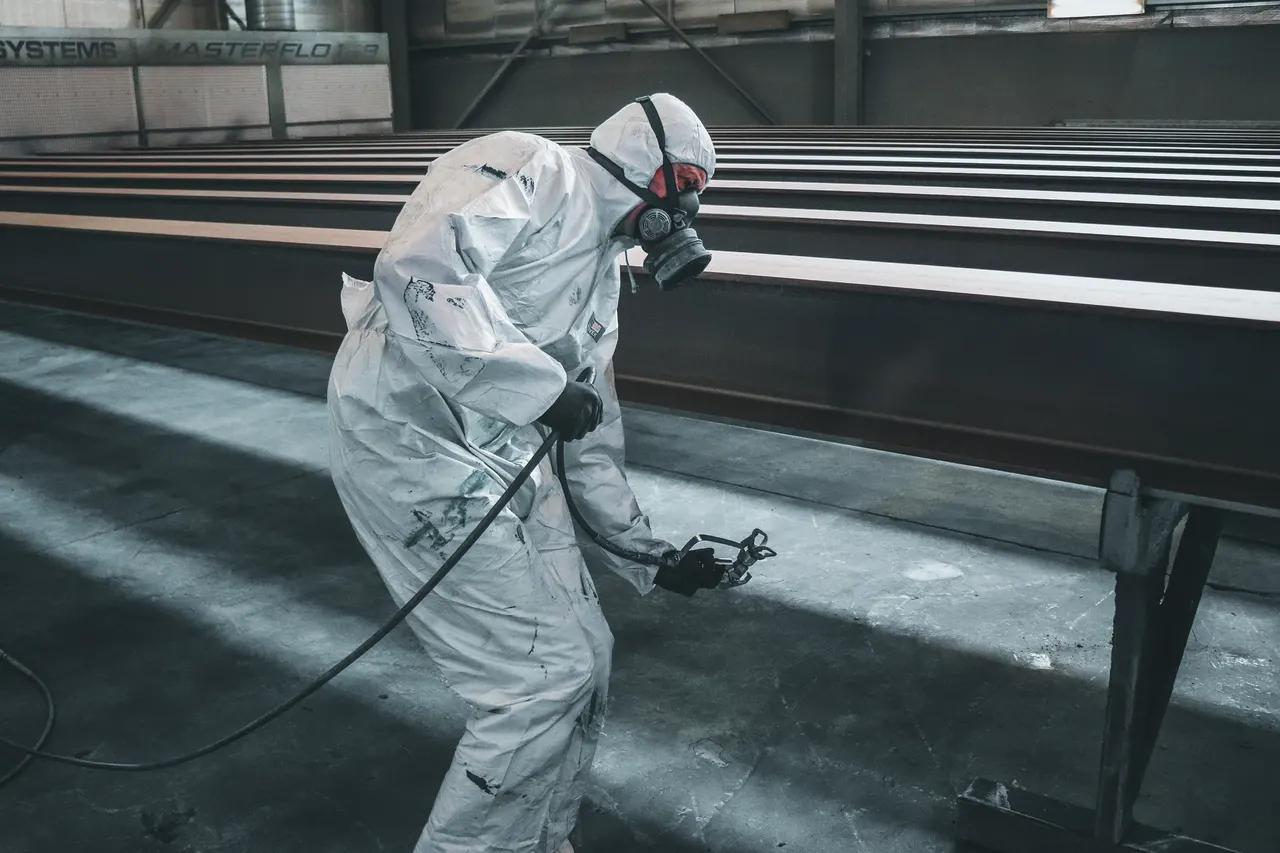
Cuts closed cell foam into manageable sections without tearing the timber underneath. Essential on the hard, rock-solid foam we find in Halifax lofts.
Gets into corners, around truss plates and along the eaves where a saw will not fit. Used for detail work and for freeing foam that has bonded to awkward joints.
Pulls foam debris and dust straight into sealed bags as we cut. Keeps the loft air clean and stops dust migrating into the house.
Runs throughout the job to filter airborne particles. This is why customers tell us the house stayed cleaner than they expected.
Lifts stubborn overspray from gable walls, pipework and trusses without abrasive damage. Used where foam has bonded into places hand tools cannot reach.
Standard kit for every removal. Foam dust is not something to breathe, and we do not cut a single section without proper protection on.
We work to the principles of PAS 2035, the standard for retrofit work in UK homes. That means assessing the roof, documenting what we find and removing foam in a way that leaves the building ready for correct insulation.
Rather than tearing foam off the timbers, we cut it into sections and lift each one away. It is slower, but it protects the rafters and reduces the amount of debris flying around the loft.
After extraction we scrape and brush every rafter back to bare wood, then leave the roof space to dry naturally with ventilation paths open. This is the step that satisfies a surveyor.
Before, during and after photos of every elevation of the roof space. The record is dated and signed, and it is what your lender or surveyor will ask to see.

We survey within 48 hours, remove the foam in a single day and issue the photographic removal record. We can work to a completion deadline and will tell you honestly whether the timescale is realistic. The lender releases the mortgage and the sale completes. Most Halifax cases like this finish inside three weeks from first call.
We cut out the foam, clean the timbers and check for early rot. If the ventilation paths are blocked we open them and advise on correct insulation once the roof has dried. The smell clears within a fortnight and the loft stays dry through the winter. Any early rot is caught before it becomes structural.
We phase the work across a week, one loft per day, with a fixed price for all three. Each property gets its own removal record and waste transfer note. All three lofts pass inspection and the lender signs off. The landlord has documentation for each property on file.
We survey and confirm the roof still breathes. If no removal is needed we say so, and we advise on ventilation and any minor improvements instead. The buyer saves the cost of an unnecessary removal and gets a written assessment to show the lender. Honest advice, no upselling.
Halifax sits in a damp, exposed valley, and that shapes every removal we do. Stone-built terraces in Siddal and Pellon hold moisture differently from the 1970s semis up in Mixenden, and the prevailing weather off the Pennines means roofs here get tested. Foam sprayed onto the underside of the roof covering is the worst case, because it traps condensation against the timbers through the winter and stops the roof breathing in summer. We see it most in lofts that were converted or topped up between the 1990s and the 2010s. If you are pricing up Loft Spray Foam Removal Halifax West Yorkshire cost, the honest answer is that it depends on foam type and loft size, and we will give you a fixed figure after a free survey. We also work to PAS 2035 principles and hold TrustMark and CHAS registration, so the paperwork stands up when a lender asks.
Dense Victorian terraces with shallow roof pitches. Foam here is often closed cell and bonded hard to old rafters, so it takes longer to cut out cleanly.
Larger semis and detached homes with deeper lofts. Access is usually easier, but we often find foam over older mineral wool that also needs removing.
Post-war housing with trussed roofs. Foam tends to be open cell and comes away faster, but ventilation paths are often blocked and need opening up.
Stone-built properties in the valley bottom. Damp is a bigger factor here, so we check timbers carefully for rot before recommending reinsulation.
A mix of older terraces and newer builds. We see a lot of lender-driven removals here because the housing stock turns over quickly.
Roofs in Halifax get wet and stay wet. Foam that blocks ventilation turns that into condensation on the timbers, which is why removal matters more here than in drier parts of the country.
Stone walls and old rafters hold moisture differently from modern timber. We check every rafter for rot before we finish, because catching it early saves a much bigger repair.
Common in Halifax lofts. The foam sits on top of old insulation, so both layers have to come out. We price for the full strip-out, not just the foam.
Some Halifax terraces have very tight roof spaces. We use hand tools and multi-tools in these lofts rather than a saw, which adds time but protects the timbers.
A 1930s semi with closed cell foam sprayed directly onto the roof felt. The buyer's lender refused to lend and the sale was two weeks from collapse. The loft smelled musty and the timbers read damp on a meter.
Foam removed in a single day, timbers scraped back to bare wood and ventilation paths opened. The removal record went to the lender within 48 hours and the mortgage was released. Timbers read dry within eight weeks.
Maintenance: Keep the eaves vents clear and check the loft once a year in autumn. If you reinsulate, use breathable materials and leave a clear air gap at the roof covering.
A landlord had three Victorian terraces with hard closed cell foam bonded to old rafters. A lender's inspection was booked and all three needed clearing. Access was tight and the roof pitches were shallow.
We phased the work across five days, one loft at a time. All three passed inspection and each property got its own removal record and waste transfer note. The landlord had clean documentation for every address.
Maintenance: Book a loft check every two years on rental stock. Keep the hatch sealed and make sure tenants know not to block the eaves vents with stored boxes.
A homeowner had a musty smell in the back bedroom every autumn for three years. Open cell foam on the rafters was trapping condensation and early rot had started on two battens near the ridge.
Foam removed, timbers cleaned and the two affected battens replaced by a joiner before reinsulation. The smell cleared within a fortnight and the loft stayed dry through the following winter.
Maintenance: Check the loft after heavy rain and keep an eye out for any new damp patches on the bedroom ceiling. Ventilation is the key, so never block the eaves gaps.
Spray foam is not always a problem, but when it is applied in the wrong place it causes a chain of issues that get worse every winter. These are the ones we see most often across Halifax.
The sale stalls, the buyer walks and you are back to viewings. Lenders treat foam on the roof covering as a hidden-defect risk because it hides the timbers from a surveyor. We remove the foam, clean the timbers and provide a dated photographic record. Your surveyor can then inspect the roof properly and the lender can release the funds. Most Halifax cases resolve within two to three weeks of removal.
Foam blocks ventilation, so warm damp air from the house condenses on cold timbers. Over two or three winters that means mould, musty smells and rot starting in the rafters. We strip the foam, open the eaves and ridge ventilation paths and let the roof dry out. Customers usually notice the smell is gone within a fortnight and the timbers read dry on a meter within a couple of months.
Rot weakens structural timber. Left long enough it means sistering new timbers or, in bad cases, a partial roof rebuild. That is thousands of pounds instead of a removal bill. We remove the foam, expose the timbers and identify any rot early. Where rot is active we flag it and recommend a joiner before you reinsulate. Catching it at the rafter stage is far cheaper than catching it at the truss stage.
Foam injected into a cavity can bridge the gap and let moisture cross from the outer leaf to the inner wall. You get damp patches on internal walls and peeling plaster. We assess the cavity, remove what can be accessed and advise on the right next step. Sometimes that is a partial removal, sometimes a full one. We tell you honestly which, and we do not sell removal you do not need.
Typical 2026 pricing in Halifax runs £1,200 to £3,400 for a standard loft, with larger or heavily foamed roofs reaching £4,500. The price depends on loft size, foam depth, whether it is open cell or closed cell, and access. We survey free and give you a fixed written price the same day, so there is no guesswork.
The best operator is the one who cleans the timbers back to bare wood and gives you a written removal record your lender accepts. Ask any company three questions: what tools they use, whether they photograph the timbers, and whether the waste removal is included. We answer yes to all three and have done since 2022.
Yes. We cover Halifax and the whole of West Yorkshire, including Brighouse, Elland, Sowerby Bridge, Hebden Bridge and Todmorden. Most surveys are booked within 48 hours and the removal itself is usually completed in a single day. Call 01422747049 and we will get you booked in.
You need it if foam is sprayed directly onto the roof covering, if your lender or surveyor has flagged it, or if you can smell damp in the loft. Foam traps condensation against the timbers and causes rot. If it is only on the loft floor between joists and the roof still breathes, you may not need a full removal.
Not seeing your question? Our local team can help you understand urgency, scheduling and what to expect.
Ask the local team
Our core service, covering any spray foam in a Halifax property. If you have foam in a loft, roof, cavity or outbuilding, this is the job that clears it. We survey free and quote a fixed price.
View service
When a sale is hanging on a surveyor's report, speed matters. We hold same-day slots across Halifax for smaller lofts and urgent lender cases, with the survey done in the morning and the removal started the same afternoon.
View service
Emergency cover for Halifax customers dealing with active leaks, storm damage or a completion deadline. Ring 01422747049 any hour and we will tell you honestly whether it can wait until morning or needs us out tonight.
View service
The bulk of our Halifax work: terraces, semis and detached homes with foam in the loft or roof. We work around your family, seal the loft hatch and keep dust out of the living space from the first cut.
View service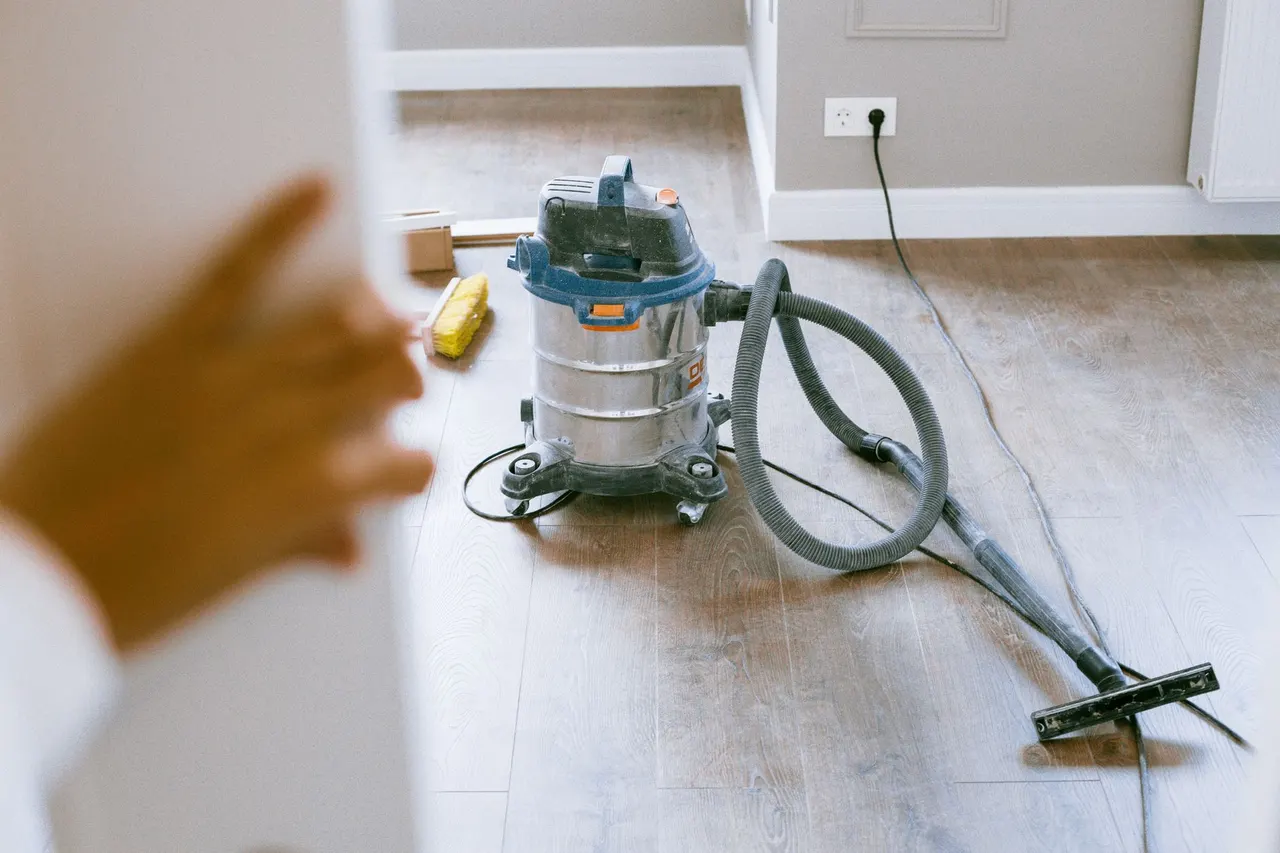
Ring 01422747049 or email info@moderntouchsprayfoam.com and we will get back to you the same working day. We are on the phone from 8am to 6pm Monday to Friday, and the 24/7 line is always open for emergency call-outs across Halifax. Tell us what you have seen and we will tell you what it needs.