Focused arrival windows
Useful updates and clear arrival timing.
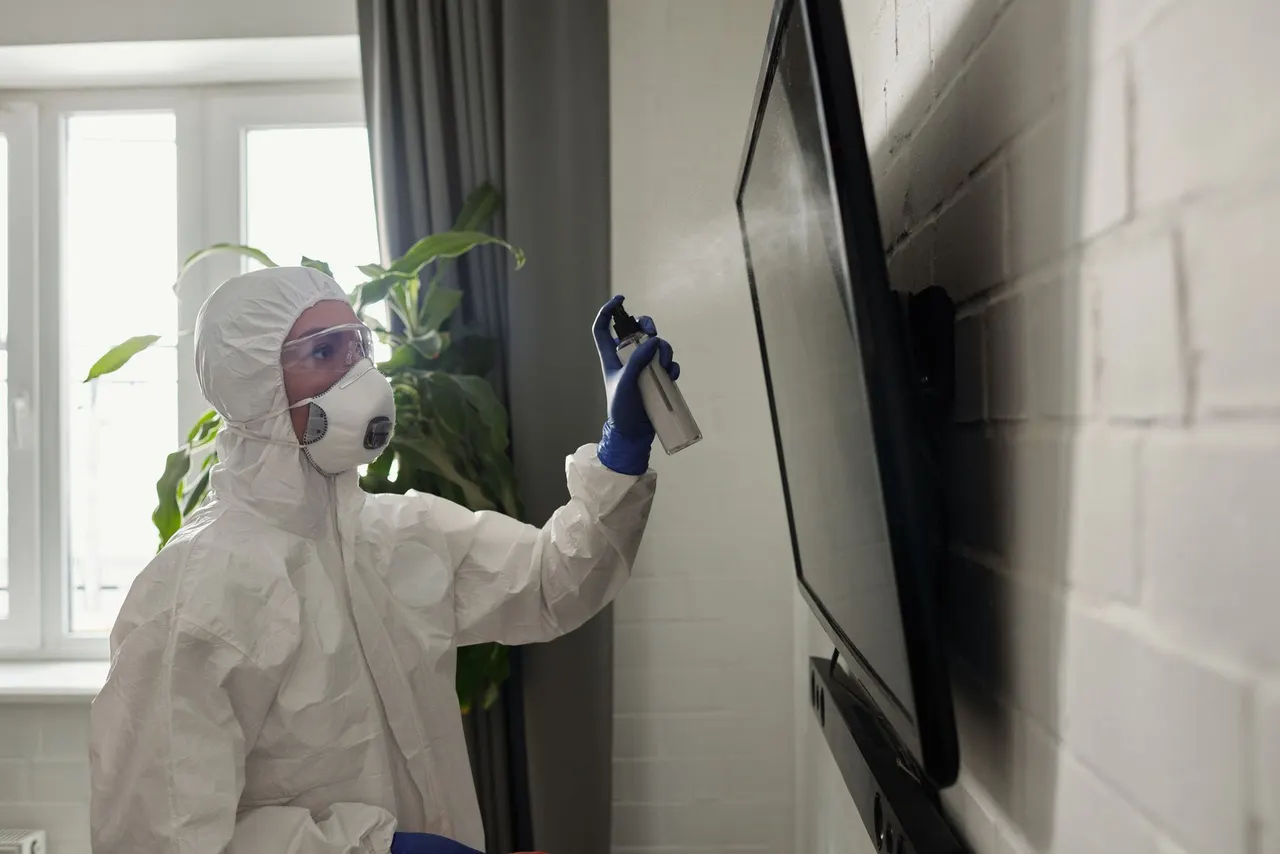
Residential Spray Foam Removal in Halifax means cutting out failed open cell and closed cell foam, clearing overspray and getting your roof space back to a state a surveyor will sign off. We handle terraces in Siddal, stone-built semis in Skircoat Green and lofts in Sowerby Bridge. If a lender has flagged spray foam, or damp is tracking through your rafters, we survey, remove and document the whole job.
Useful updates and clear arrival timing.
Review the approach and price before deciding.
Equipped vehicles and respectful cleanup.
Neighbors serving neighbors with follow-through.
Every fixed price covers the full removal job from survey to completion pack. There is no separate charge for extraction, disposal or documentation, and no hidden day rate if the foam is thicker than expected. Re-insulation and timber replacement are quoted separately if you need them.
We identify the foam type, measure the affected area, check rafter condition and confirm access. You get a written fixed price the same day, valid for 30 days, with no obligation to book.
Foam is cut with a spray foam cutting saw and oscillating multi-tool, then lifted into an industrial vacuum. An air scrubber runs throughout, and the loft hatch is sealed so dust stays in the void.
Every exposed rafter is checked for rot, damp and condensation. Affected timber is treated, and anything structural is photographed and quoted before we proceed with a repair.
All foam, debris and old insulation leave site the same day and are disposed of under waste transfer paperwork. Foam is separated from timber and packaging for recycling wherever the material allows.
You receive before-and-after photographs of every elevation, a summary of the foam removed and a signed completion record. This is the document Halifax lenders and RICS surveyors ask to see.
We confirm the eaves and vents are clear and that air is moving through the void again. You get plain advice on re-insulating correctly, including whether a PAS 2035 assessment is worth booking.
Share what is happening and receive a clear next step from the local team.
Residential Spray Foam Removal in Halifax is the controlled cutting, extraction and disposal of spray-applied polyurethane foam from roof voids, rafters, lofts and cavity walls. We start with an insulation assessment, map where the foam sits, then cut it back with a spray foam cutting saw and oscillating multi-tool rather than ripping at it. Loose material goes into an industrial vacuum, airborne dust is pulled through an air scrubber, and every technician works in a PPE respirator. Timbers are then inspected for rot, damp and condensation before anything is reinstated.
Most Halifax homes we open up were foamed between 2008 and 2016, often under a cavity wall insulation or loft insulation grant, and the problems show up years later. Mortgage lender refusal is the most common reason people call us, followed by roof timber rot and poor ventilation trapping moisture against the felt. If you have been searching for Residential Spray Foam Removal Halifax near me and getting vague answers, we will tell you on the survey whether the foam can stay or has to come out.
We attend, measure the foamed area, check rafter condition and confirm access. You get a fixed price the same day, not a range that creeps. Surveys in Halifax City Centre, Pellon and Ovenden usually take 30 to 45 minutes.
Dust sheets go down, loft hatches are sealed with zip doors and the extraction route is set up before any cutting starts. On occupied homes we mask off the landing so no foam dust reaches living areas. This stage takes about an hour.
Foam is cut in sections with a spray foam cutting saw and oscillating multi-tool, then lifted into an industrial vacuum. A typical 3-bedroom Halifax semi takes one to two days. An air scrubber runs throughout to keep airborne particles down.
Once the rafters are exposed we check for rot, damp and condensation, treat affected timber and flag anything structural. You get photographs of every elevation. If a rafter needs replacing, we quote it separately before touching it.
All foam and debris leave site the same day, loaded and disposed of under waste transfer paperwork. We hand you a completion pack with before-and-after photos, which is what lenders and surveyors ask for. Most customers then book re-insulation with us.

Cuts dense closed cell foam into manageable sections without tearing the timber underneath. It is the first tool through the foam on every roof void job.
Works into corners, rafter notches and around pipework where a saw will not reach. Essential on older Halifax properties with irregular timber sizes.
Lifts loose foam, dust and debris from the void as we cut. Running it at the cutting face keeps the rest of the house clean.
Filters airborne particles in the loft while we work. It is why customers in occupied homes rarely see dust past the hatch.
Uses dry ice pellets to freeze and lift foam residue from delicate stone and timber. Our first choice around historic Halifax stonework.
Strips stubborn foam from brick, stone and concrete using abrasive media. Used on gable walls and outbuildings where foam was sprayed directly onto the substrate.
Every technician wears one for the full shift. Foam dust is not something we take chances with, and neither should anyone working in the loft afterwards.
We remove foam and assess the roof space against PAS 2035 principles so any insulation that goes back in performs as designed. It is the standard lenders and retrofit assessors now expect.
Dry ice pellets freeze the foam bond and lift residue without abrasion. We use it on historic Halifax stonework and on rafters where sand blasting would cause damage.
Controlled heat softens the bond between foam and timber before cutting. Slower than cold cutting, but it protects dry or brittle rafters common in older Halifax terraces.
Sand blasting equipment strips foam from brick, stone and concrete surfaces where cutting tools cannot reach. Used on cavity walls and outbuildings across the Halifax area.

We survey within 48 hours, quote a fixed price and schedule removal to fit your completion date. The completion pack goes straight to your solicitor and the valuer. Most Halifax sales complete within three to four weeks of the foam coming out, with no renegotiation on the foam defect.
We strip the foam back to bare timber, inspect every rafter and confirm the structure is sound before your builder starts. Re-insulation is then fitted to PAS 2035 standards. Your builder gets a clean, documented roof space, and the conversion passes building control without a foam-related delay.
We attend on a 24/7 call-out, make the roof space safe and remove the foam around the leak so the source can be found. Full removal is scheduled for the next working day. The leak is located, the ceiling stops staining and the foam that was hiding the problem is gone within 48 hours.
We carry out an insulation assessment, identify the foam brand and type, and tell you honestly whether it can stay or has to come out. If removal is needed, we quote it the same day. You know exactly what is in the loft, what it will cost to fix and whether it affects your mortgage or insurance.
Halifax sits in a wet, exposed part of West Yorkshire, and that shapes every foam removal job we do. Roof voids here take driving rain on the western elevations, so foam sprayed onto felt traps moisture against the timber for months. The town's building stock makes it worse: stone-built terraces in Siddal and Pellon have irregular rafters and narrow eaves, while the larger semis around Savile Park and Skircoat Green often have foam at rafter level from a 2010s retrofit. We work to PAS 2035 principles, check ventilation on every job and use dry ice blasting where the stonework is old enough to need a gentler hand. If you need Residential Spray Foam Removal Halifax West Yorkshire cost figures before you commit, the survey gives you a fixed number the same day. Autumn is our busiest season because the first heavy rain exposes leaks the foam has been hiding all summer.
Dense stone terraces with narrow eaves and limited loft access. We plan extraction routes before arrival so the job stays on schedule.
Larger stone semis where foam was often sprayed at rafter level during 2010s retrofits. Rafter condition varies a lot from house to house.
Valley properties that take more driving rain, so foam-related damp shows up faster here than on higher ground.
Newer estates with foam at ceiling joist level rather than on the felt. Removal is usually quicker and the void is easier to re-insulate.
A mix of Victorian terraces and post-war semis. We frequently find Icynene and Lapolla foam in the same street.
Moisture gets into the roof covering and foam traps it against the timber. We always check the felt and rafter condition on west-facing slopes before quoting.
Timber sizes vary along the run, so cutting tools need adjusting as we go. It adds time but protects the rafters from unnecessary damage.
Extraction equipment has to be broken down to fit through. We assess hatch size at survey and bring the right kit for the access you have.
Humidity in the loft peaks from October onwards. Jobs booked in autumn include a ventilation check so the void dries properly before re-insulation.
A three-bed stone terrace in Siddal with closed cell foam sprayed across every rafter. The buyer's lender refused the mortgage and the surveyor noted blocked ventilation and early rot on two rafters.
We removed 34 square metres of foam over two days, treated the two affected rafters and replaced one metre of timber. The completion pack went to the solicitor, and the sale completed three weeks later.
Maintenance: Keep the eaves clear and check the loft for condensation each autumn. If you re-insulate, use a breathable system and leave a clear ventilation path at the eaves.
A two-bed terrace in Pellon with water staining on the landing ceiling and a musty smell in the loft. Open cell foam had been sprayed over the felt, hiding a leak that had been running for at least two winters.
We stripped the foam in a single day, found the leak source and dried the void. Loft humidity dropped from 78% to 54% within a fortnight, and the ceiling was redecorated a month later.
Maintenance: Check the roof covering after storms and keep the loft hatch open for an hour on dry days to help the void dry out.
A post-war semi in Brighouse with injected cavity wall foam and damp patches on two internal walls. The cavity could not drain, and the damp was creeping up past the skirting.
We removed the cavity wall foam, cleared the cavity and confirmed drainage. The internal damp patches dried out over the following six weeks, and the walls were replastered before the winter.
Maintenance: Keep external ground levels below the damp course and check air bricks are clear. Any new insulation should be breathable and fitted by a PAS 2035 assessor.
Foam rarely fails quietly. It shows up as a refused mortgage, a damp patch on a landing ceiling or a loft you cannot use. Here are the four situations we deal with most across Halifax.
Your sale stalls, the chain collapses and you lose the buyer. Valuers treat foam on roof coverings as a defect because it hides leaks and blocks ventilation. We remove the foam, photograph every rafter and issue a completion pack in the format Halifax lenders accept. Most sales then proceed once the valuer has the documentation in hand.
Moisture trapped against the felt soaks into timbers, rots rafters and drips onto stored belongings. Left alone, it reaches the wall plate and becomes a structural problem. We strip the foam, clear the ventilation path and dry the void. Humidity drops within a fortnight, and we treat any affected timber before it spreads further along the rafter run.
Closed cell foam seals a leak so tightly that rot spreads across 2 to 3 metres of timber before you notice. By then a rafter replacement is usually needed. We cut the foam back carefully with thermal removal tools, expose the full rafter and treat or replace affected sections. You see photographs of every metre before we close anything up.
Foam injected between the wall leaves traps water that should drain away. Damp patches appear on internal walls and the cavity cannot dry out. We remove the cavity wall foam, clear the cavity and confirm the wall can drain again. Most Halifax homeowners then see the internal damp patches dry out over the following weeks.

Modern Touch Spray Foam has been removing spray foam since 2022, working on Halifax terraces, stone semis and the larger detached properties around Skircoat Green and Savile Park. In four years we have stripped Icynene, Lapolla and Demilec foams from lofts, rafters and cavity walls, and we have learned exactly how West Yorkshire weather punishes a badly ventilated roof. Our technicians hold NEBOSH and CHAS accreditation, and we work to PAS 2035 principles so the insulation that goes back in performs as designed.
Typical 2026 pricing in Halifax runs from £1,800 for a small loft to £6,500 for a full roof void with cavity wall foam. A standard 3-bedroom semi sits around £2,400 to £3,600. Access, foam type and the amount of timber repair needed move the number most. We give a fixed price after the survey, so you are not guessing.
The right firm is the one whose paperwork your lender accepts and whose crew leaves the loft clean. Ask for before-and-after photographs, waste transfer notes and evidence of PAS 2035 working knowledge. We have been removing foam since 2022, hold CHAS and Constructionline accreditation, and supply a completion pack formatted for surveyors and valuers.
Yes. We cover the whole of Halifax and West Yorkshire, including Sowerby Bridge, Brighouse, Elland, Hebden Bridge and Todmorden. Home spray foam removal Halifax West Yorkshire bookings are usually scheduled within 5 to 7 days, and emergency call-outs are available 24/7 when water is getting in through a foamed roof.
You need it if a lender has flagged the foam, if you can smell damp in the loft, or if you are planning a loft conversion. Foam sprayed directly onto roof felt blocks ventilation and hides leaks, which leads to roof timber rot. A survey takes 45 minutes and tells you honestly whether removal is necessary or the foam can stay.
Not seeing your question? Our local team can help you understand urgency, scheduling and what to expect.
Ask the local teamIf you are searching Spray Foam Removal Near Me from Halifax, we cover every postcode in the town and the surrounding valleys. The survey, fixed quote and removal process is identical whether you are in Siddal or Sowerby Bridge.
View service
Same Day Spray Foam Removal is available across Halifax when a survey or sale is under time pressure. Call before 10am and we can often survey and start cutting the same afternoon, subject to access and the size of the foamed area.
View service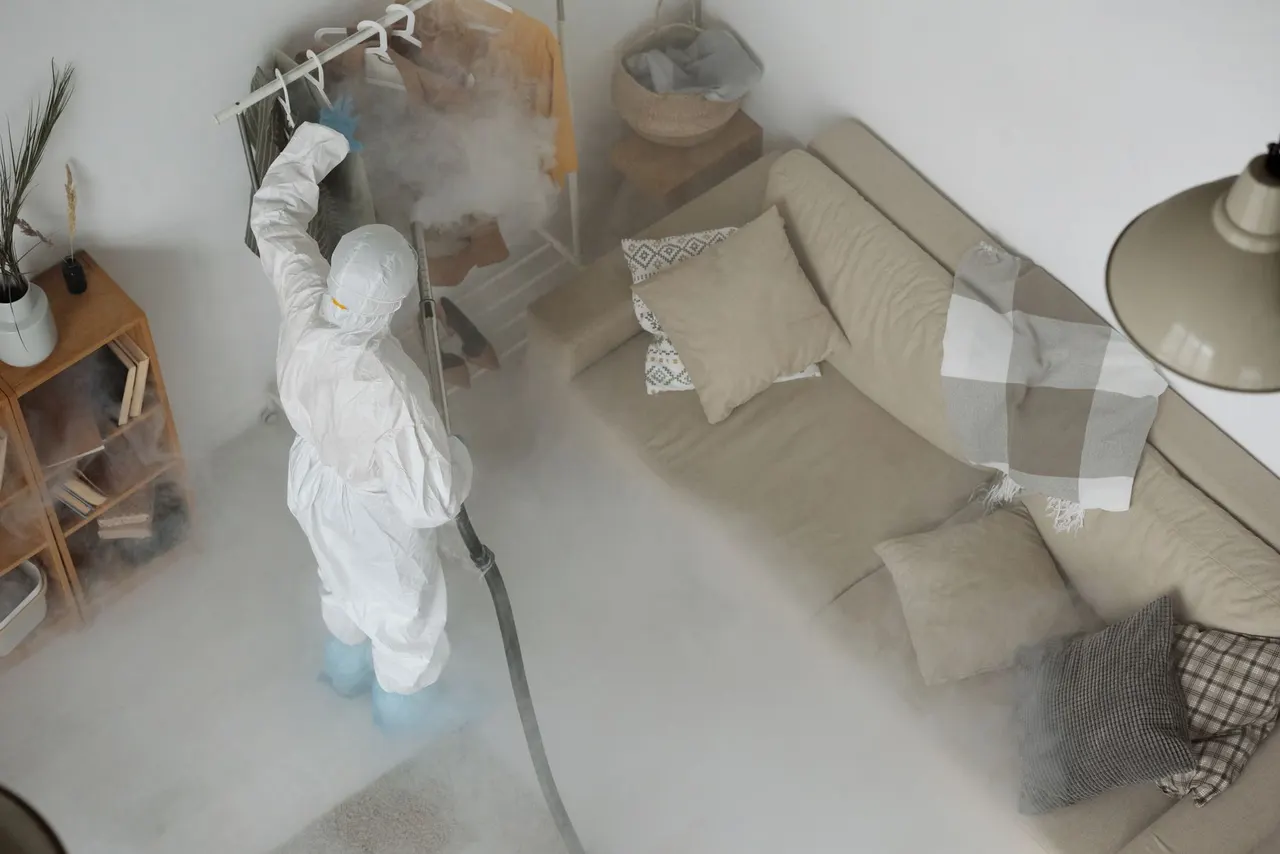
24/7 Spray Foam Removal covers emergency call-outs, usually water tracking through a foamed roof or a collapsed section of foam blocking a loft hatch. We attend, make the roof space safe and schedule full removal for the next working day.
View service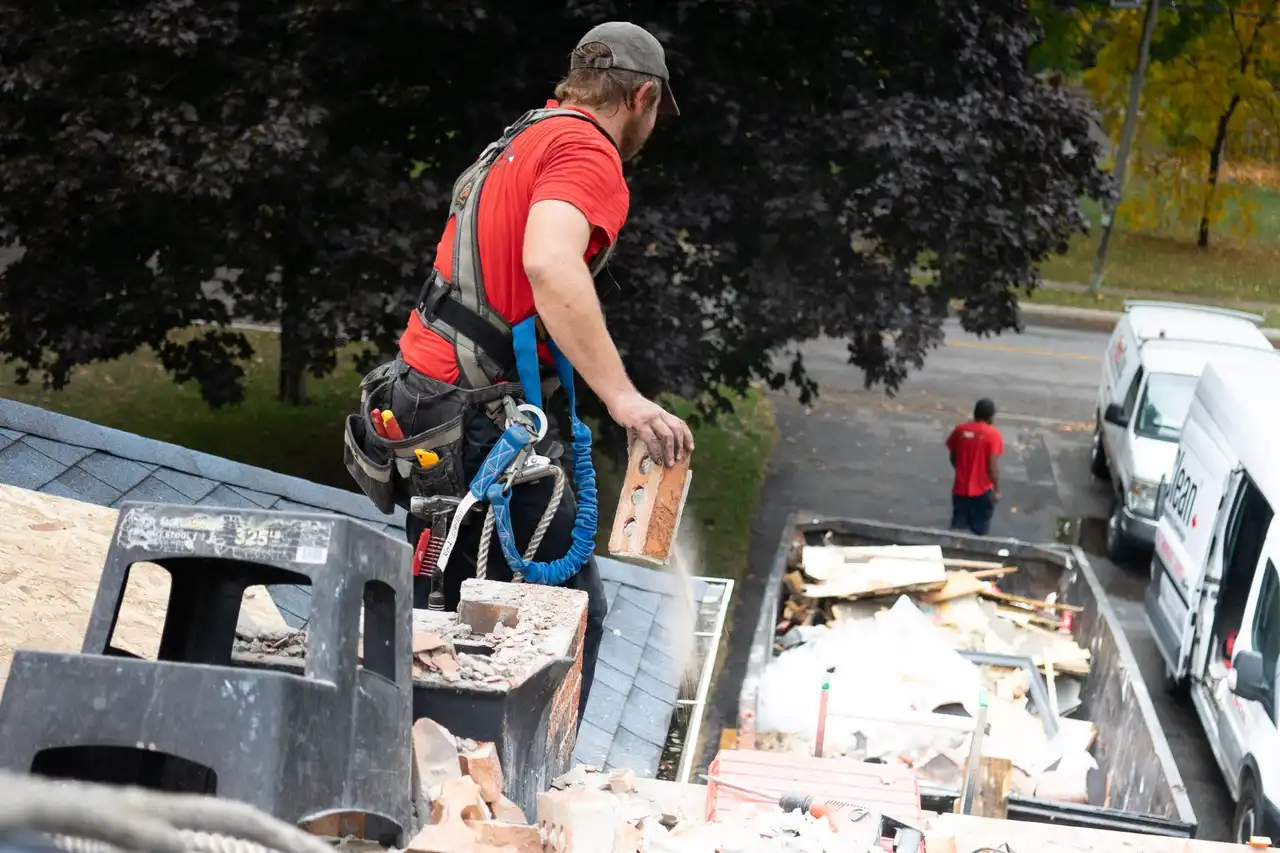
Commercial Spray Foam Removal handles warehouses, workshops and retail units around Halifax where foam has been applied to roof decks or steelwork. Larger extraction equipment and out-of-hours working keep your business running while we strip the foam.
View service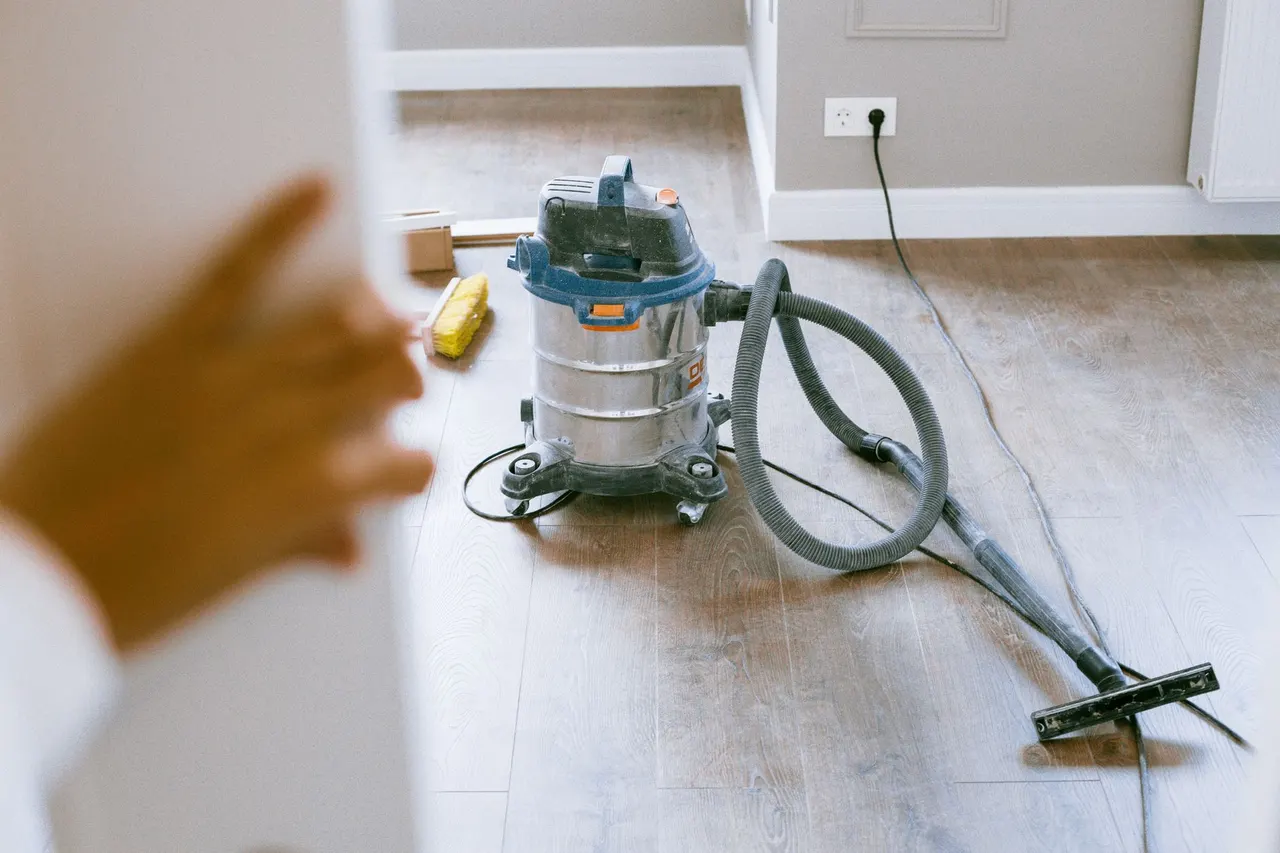
Ring 01422747049 or email info@moderntouchsprayfoam.com and we will get back to you the same working day. We are on the phone from 8am to 6pm Monday to Friday, and the 24/7 line is always open for emergency call-outs across Halifax. Tell us what you have seen and we will tell you what it needs.