Focused arrival windows
Useful updates and clear arrival timing.

Spray Foam Removal in Hebden Bridge is what we do every week, from stone-built terraces near Hebden Bridge Station to lofts up at Old Town. If a surveyor, lender or buyer has flagged spray foam in your roof, we take it out cleanly, dispose of it properly and leave your timbers ready for the next step. Same day and 24/7 call-outs across West Yorkshire.
Useful updates and clear arrival timing.
Review the approach and price before deciding.
Equipped vehicles and respectful cleanup.
Neighbors serving neighbors with follow-through.
Spray Foam Removal in Hebden Bridge is a specialist job, and it is one we have handled across the HX7 postcodes since 2022. Modern Touch Spray Foam works out of Halifax and covers Hebden Bridge, Mytholmroyd, Cragg Vale, Wadsworth and Old Town regularly, so we know the housing stock here: narrow stone terraces, steep slate roofs, converted mills and the odd listed building inside the conservation area. That matters because spray foam behaves differently depending on how the roof was built and how well it breathes. We use thermal removal tools, a spray foam cutting saw and an industrial vacuum on every job, and we bag and dispose of the foam responsibly. Whether you need a loft cleared before a mortgage valuation or a full roof space stripped back to bare timber, we give you a clear price before we start and a clean site when we finish.
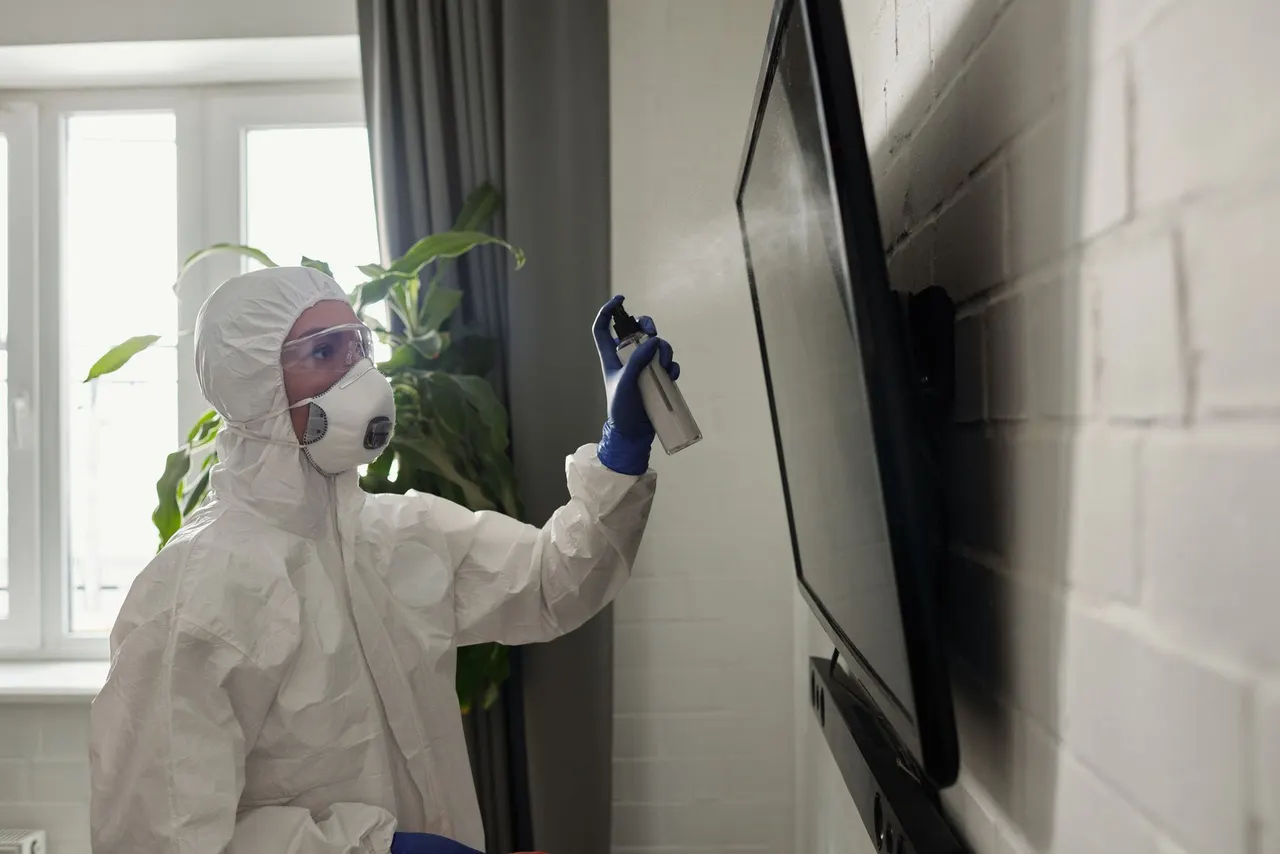
Every job we quote in Hebden Bridge starts with an assessment, because open cell and closed cell foam need different removal methods. If you are searching for Spray Foam Removal Hebden Bridge 24/7 because a sale is stalling, or you just want the foam out before winter, we cover the whole HX7 area. Below is what we actually do on site.
If you are searching for Spray Foam Removal Hebden Bridge near me, we cover every HX7 postcode from Hebden Bridge Station up to Old Town. Most calls are for loft and roof foam in stone terraces. We assess the foam type, cut it out with a spray foam cutting saw and industrial vacuum, and clear the site the same visit.
View service →02Same day spray foam removal is available across Hebden Bridge when you call before midday. We keep slots open for urgent cases, usually mortgage valuations or survey deadlines. Our team arrives with thermal removal tools and dry ice blasting equipment ready, so a standard loft can often be cleared in a single afternoon.
View service →03Our 24/7 spray foam removal line covers Hebden Bridge and the surrounding Calder Valley. If you have water getting in through a foamed roof and need it looked at out of hours, call us. We will talk you through what to do that night and book the removal for the earliest practical slot, often the next morning.
View service →04Most of our Hebden Bridge work is residential: stone terraces, semis and converted mill cottages. We remove foam from lofts, roof slopes and cavity walls, taking care around original timbers and lath and plaster. Dust extraction and floor protection come as standard, and we sweep up before we leave.
View service →05We handle commercial spray foam removal for Hebden Bridge businesses, including shops, cafes and small warehouses around the town centre. Work is scheduled around your opening hours so you do not lose trading time. Larger roof spaces get a phased programme with daily progress updates.
View service →06Loft spray foam removal is our most common Hebden Bridge job. Foam sprayed between rafters traps moisture and rots the roof timbers underneath. We cut it back with an oscillating multi-tool and saw, vacuum the debris, and leave the loft ventilated so the structure can dry.
View service →07Roof spray foam removal in Hebden Bridge usually means working from inside the roof space on steep slate roofs. We remove foam from the underside of the covering without disturbing slates where possible. If slates do need lifting, we make good afterwards and can recommend a local roofer.
View service →08Attic spray foam removal covers the same ground as loft work but often in tighter spaces, such as the low eaves of old Hebden Bridge terraces. We use compact thermal removal tools and a respirator-rated PPE setup to work safely in confined areas, then clear everything out through the hatch.
View service →09Spray foam insulation removal is the full strip-out: foam, loose insulation and any contaminated debris. In Hebden Bridge we often find foam applied over older mineral wool, which has to come out too. We separate materials for disposal and can advise on replacement insulation that suits a breathing roof.
View service →Hebden Bridge is a conservation area with narrow streets and limited parking, so we plan access before we arrive. On terraces off Bridge Gate or around Hebden Bridge Station, we often park on the main road and run hose and cable through the property rather than blocking the lane. Inside, we set up an air scrubber and industrial vacuum to keep dust down, and we sheet up floors and stairwells. Foam type decides the method: open cell comes out with a spray foam cutting saw and oscillating multi-tool, while closed cell usually needs thermal removal tools or dry ice blasting first. We work to PAS 2035 principles so the roof is left able to breathe, and we follow British Board of Agrément guidance on the materials we handle. Most loft jobs take one to two days. If you need Spray Foam Removal Hebden Bridge same day, call before midday and we will do our best to fit you in.
Access can add time to a job because we cannot always park outside the property. Equipment has to be carried in by hand, and waste carried out the same way. We ask for a parking spot to be reserved where possible, or arrive early to secure space on the main road. Our team carries equipment in protective bags and keeps walkways clear for neighbours.
Foam bonded to old rafters can tear the timber surface if it is cut away too aggressively. Damaged rafters then need a carpenter, which adds cost and time. We use thermal removal tools and dry ice blasting to weaken the bond before cutting, which protects the timber. Where rot is already present, we flag it and recommend a joiner before any new insulation goes in.
Foam traps moisture against the timber, so rot spreads faster here than in drier parts of West Yorkshire. Jobs often uncover more damage than the initial survey suggested. We inspect timbers as the foam comes off and photograph anything of concern. If rot is found, we stop, show you, and agree the next step before continuing, rather than covering it over.
PAS 2035 sets out how retrofit work should be assessed and installed so a building still performs correctly. It matters here because removing foam without considering ventilation can leave a roof worse off. We work to its principles when specifying what goes back.
BBA certificates confirm that insulation products are fit for purpose. When we advise on replacement insulation after removal, we point you towards BBA-certified products so any future survey or valuation is straightforward.
Part C covers moisture resistance in buildings. In a damp valley town like Hebden Bridge it is directly relevant, because a roof left unable to dry out will fail the spirit of the regulation even if the foam is gone.
Hebden Bridge has a particular set of conditions that make spray foam more problematic than in drier, flatter parts of West Yorkshire. High rainfall, a valley setting, older stone housing and limited ventilation all play a part. If you are weighing up Spray Foam Removal Hebden Bridge West Yorkshire cost, understanding the local causes helps you judge what is actually needed.
Spray foam seals the underside of the roof covering, so moisture from inside the house cannot escape. In Hebden Bridge's damp valley climate, that trapped moisture condenses on cold timbers and starts rot within a few years. We remove the foam fully rather than partially, then check the timbers and leave the roof able to ventilate. Where ventilation is poor, we advise on simple improvements before any new insulation goes in.
Lenders and valuers treat spray foam as a risk because it can hide structural problems and is hard to inspect. In a popular buying area like Hebden Bridge, this stalls sales regularly, especially on older terraces. We carry out the removal, document every stage with photographs and a written summary, and leave the roof in a condition a valuer can inspect. That paperwork is often what unblocks a sale.
Foam injected into a cavity can bridge the gap between the two leaves of the wall, letting moisture cross into the inner leaf. Older stone properties around Hebden Bridge are particularly vulnerable because they were designed to breathe. We assess the wall build-up first, then remove the foam carefully and advise on a breathable alternative. We do not replace one damp problem with another, and we explain the options clearly.
Closed cell foam is a very effective insulator, which sounds good until summer. In a converted loft it can trap heat and make the top floor uncomfortable, especially in south-facing rooms above Hebden Bridge. We remove the foam and, where a loft is lived in, specify a replacement insulation that manages heat as well as cold. That usually means a breathable system with proper ventilation at the eaves.

Hebden Bridge is not a town you can navigate quickly in a van, so we use landmarks to orient ourselves and plan the best approach. Hebden Bridge Station is our usual reference point for the town centre, and the Picture House helps us place jobs on the north side. Hardcastle Crags gives us a marker for the properties up towards the moors, while St George's Church anchors the streets around the lower end of town. Knowing these spots means we can give you a realistic arrival window rather than a vague one.
A useful orientation point for town centre jobs. Streets around the station are tight for parking, so we often park nearby and walk equipment in. It also tells us which side of the valley a job sits on.
The Picture House sits near the centre and helps us place addresses on the north side of town. Jobs around here usually mean terrace properties with restricted on-street parking, so we plan arrival times accordingly.
St George's is a handy marker for the lower end of Hebden Bridge and the streets leading towards Mytholmroyd. It helps us route around the one-way sections and avoid the busiest parts of town.
Hardcastle Crags marks the northern edge of the town and the properties up towards the moors. Jobs in this direction take longer to reach, so we build extra travel time into the schedule.
The town centre is a compact mix of independent shops, cafes and offices, much of it in older stone buildings. Commercial foam removal here usually involves roof spaces above retail units, and work has to be scheduled around trading hours.
Mytholmroyd has a cluster of small industrial and trade units along the valley. These tend to be larger roof spaces with spray foam applied to metal or timber decking, which we remove in phases to keep businesses running.
On the Calder Valley line with direct services to Halifax, Leeds and Manchester. Useful for customers commuting while we work, and a clear reference point for town centre addresses.
The main valley route linking Hebden Bridge to Mytholmroyd, Sowerby Bridge and Halifax. It is our usual approach road, though it can be slow at peak times and in bad weather.
We work across the whole HX7 area, from the town centre out to the hillside hamlets. Postcodes HX7 6, HX7 7 and HX7 8 are all covered, and we know which streets have parking restrictions and which have rear access. Here is a snapshot of where we work most.
The town centre is packed with stone-built terraces and converted upper floors, many inside the conservation area. Loft foam is common here, often installed years ago and now flagged on surveys. Access is tight, so we plan parking carefully around Bridge Gate and the market area. Our team reaches the town centre in around 25 minutes from Halifax, traffic depending.
Mytholmroyd sits just down the valley and shares the same flood risk and damp issues. We see a lot of spray foam in post-war semis and older stone cottages here, usually in lofts that have poor cross-ventilation. Cavity wall foam is also more common in this area. Mytholmroyd is a short run from our Halifax base, typically 20 to 25 minutes.
Cragg Vale properties are more exposed to wind and rain, and many are older farm cottages or converted outbuildings. Foam removal here often reveals damp in gable-end timbers. We take extra care with fragile historic structures and use gentler removal methods. Cragg Vale is roughly 30 minutes from Halifax, via the A646 and the valley road.
Old Town sits above the valley and catches the weather. Houses here are a mix of stone cottages and larger detached properties, and roof spaces tend to be cold and draughty. Closed cell foam is a frequent find, which means slower, more careful removal work. Old Town is around 30 to 35 minutes from our base, depending on the route up the hill.
These are real jobs we have completed in and around Hebden Bridge. They show the range of problems we deal with, from mortgage valuations to damp roof timbers, and what the finished result looks like. Names and exact addresses are kept private, but the details are accurate.
A buyer's mortgage lender refused to lend on a stone terrace because closed cell foam had been sprayed across the roof rafters. We carried out a full loft strip-out using thermal removal tools and dry ice blasting to protect the old timbers. Foam was bagged and removed through the hatch, and we photographed every stage for the lender. The roof space was left clean and ventilated. The valuer re-inspected and signed the property off. The sale completed three weeks later, and the buyer had a clear record of the work for their files.
A homeowner in Mytholmroyd noticed a damp patch on an upstairs ceiling and found foam had been sprayed over wet roof timbers. We removed the open cell foam with a cutting saw and industrial vacuum, then inspected the timbers underneath. Several rafters showed early rot, which we documented and referred to a local joiner before any new insulation was fitted. The leak source was fixed, the rotten sections replaced, and the roof left able to dry. No further damp has appeared since.
A converted mill building in Hebden Bridge had spray foam across a large roof space that was causing condensation and overheating in summer. We phased the removal over four days so the tenants below could keep working. Air scrubbers controlled dust, and we removed foam from the full span using a combination of cutting tools and sand blasting where the bond was heaviest. Condensation stopped and summer temperatures in the top floor dropped noticeably. The landlord now has a documented removal record for future surveys.
Hebden Bridge gets a lot of rain, and the valley holds moisture longer than the surrounding hills. That shapes when spray foam problems show up and when it is best to deal with them. Autumn is when most people notice damp, but the work can be done year round. Here is what to expect through the seasons.
Spring is when damp patches from the winter often become visible on ceilings and in loft spaces. Foam that has been holding moisture all winter starts to show its effects as the weather warms and the roof space dries unevenly.
Summer is the easiest time to work in a roof space, and it is also when overheating in foamed loft conversions becomes obvious. If your top floor is uncomfortably hot, the foam is likely part of the problem.
Autumn rain and falling temperatures are when most Hebden Bridge homeowners first spot a problem. Damp patches reappear, and the musty smell in a loft becomes stronger as the roof space stays wet for longer.
Winter is the hardest season for foamed roofs. Condensation on timbers peaks, and any existing rot accelerates. Emergency call-outs are most common between December and February, usually after water starts coming through.
Hebden Bridge sits in the middle of our service area, and we cover the towns either side of it on the same schedule. If you are in Halifax, Sowerby Bridge or anywhere along the A646 corridor, we can usually reach you within half an hour. That means one team, one standard of work, whether you are in a Hebden Bridge terrace or a Halifax semi.
Our base town, roughly 25 minutes from Hebden Bridge along the A646. Many Hebden Bridge customers first find us through work we have done in Halifax.
Local coverage and detailsSits between Halifax and Hebden Bridge on the A646, about 15 minutes from us. We often pair Sowerby Bridge and Hebden Bridge jobs in the same week.
Local coverage and details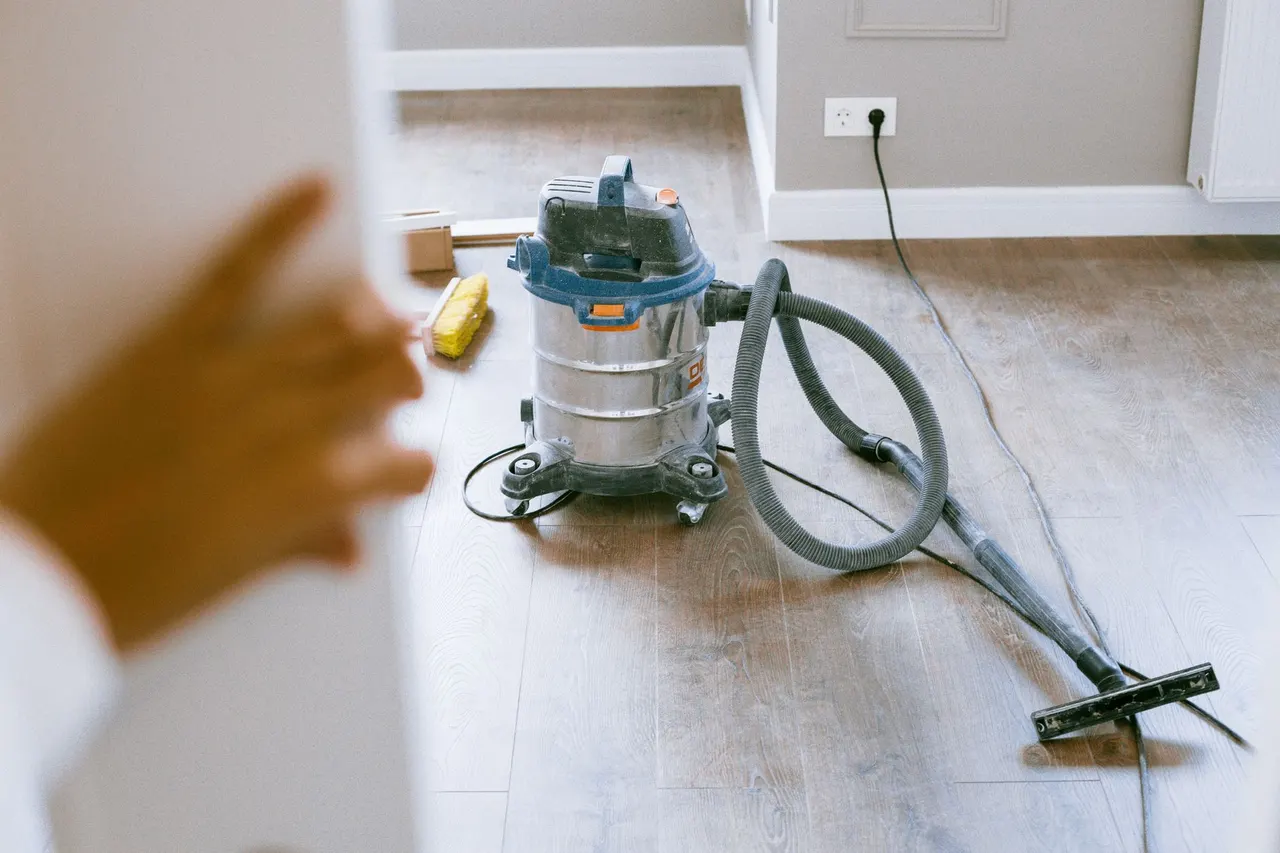
A Halifax suburb around 30 minutes from Hebden Bridge. Customers here tend to have the same older housing stock and the same spray foam issues.
Local coverage and details
On the Halifax side, roughly 30 to 35 minutes away. Larger Victorian properties here often have loft foam that needs removing before a sale.
Local coverage and detailsNot every contractor who quotes for spray foam removal in Hebden Bridge will do the job properly. Some will cut out the foam and leave the roof in a worse state than they found it. These are the questions worth asking before you hand over any money, and the answers you should be listening for.
Aggressive cutting can gouge or tear old rafters, turning a removal job into a carpentry job. A good contractor will talk about thermal tools, dry ice blasting or careful cutting methods before they mention price.
In a damp town like Hebden Bridge, hidden rot is common. The right answer is that they will stop, show you, and agree the next step. If they plan to cover it up, walk away.
If your mortgage depends on the removal, paperwork matters as much as the work itself. Photos and a written summary are often what a valuer needs to sign a property off.
Removing foam without restoring ventilation just resets the clock on the same problem. Ask how they will let the roof breathe, and whether they follow PAS 2035 principles.
A quote given over the phone without seeing the roof is a guess. A fixed price after a proper assessment means no surprise costs halfway through the job.
CHAS
Constructionline
NEBOSH
2 million pounds public liability and 10 million pounds employers liability
Member
Registered
Most Hebden Bridge jobs run from around 900 pounds for a small open cell loft to 3,500 pounds or more for a large closed cell roof space. A standard terrace loft usually lands between 1,200 and 2,000 pounds. We quote after an assessment so the price is fixed, not estimated.
We would rather you judged us on the work than a claim. We have served Hebden Bridge since 2022, hold a 4.9 average rating, and most of our work here comes from recommendations. Ask us for references from recent HX7 jobs and we will happily put you in touch.
Yes. We cover the whole HX7 area, including Hebden Bridge town centre, Mytholmroyd, Cragg Vale, Wadsworth and Old Town. Same day slots are usually available if you call before midday, and our 24/7 line covers urgent call-outs across the Calder Valley.
You need it if a lender or surveyor has flagged the foam, if you have damp patches or a musty smell in the loft, or if timbers feel soft. In Hebden Bridge's damp climate, foam that traps moisture against roof timbers will cause rot over time. An assessment will tell you for certain.
Yes. Our 24/7 line covers Hebden Bridge and the surrounding valley. If water is coming through a foamed roof, call 01422747049 and we will talk you through what to do that night, then book the removal for the earliest practical slot, often the next morning.
Not seeing your question? Our local team can help you understand urgency, scheduling and what to expect.
Ask the local teamRing 01422747049 or email info@moderntouchsprayfoam.com and we will get back to you the same working day. We are on the phone from 8am to 6pm Monday to Friday, and the 24/7 line is always open for emergency call-outs across Halifax. Tell us what you have seen and we will tell you what it needs.