Focused arrival windows
Useful updates and clear arrival timing.

Mortgage Lender Spray Foam Removal in Halifax clears failed spray foam insulation so your lender will release funds. If a surveyor has flagged foam in the loft, roof or cavity walls, we remove it, document the work and hand you the evidence your bank needs. We cover Halifax, West Yorkshire and the surrounding valleys, with same-day assessments and fixed written pricing.
Useful updates and clear arrival timing.
Review the approach and price before deciding.
Equipped vehicles and respectful cleanup.
Neighbors serving neighbors with follow-through.
Every mortgage-driven removal includes the survey, the strip-out, the clean-up and the evidence pack your lender needs. Extras like full loft re-insulation or cavity wall remedial work are quoted separately once we see the property.
We inspect the loft, roof void or cavity, identify open cell or closed cell foam, measure the area and check timbers for rot. You get a written fixed price the same day, with anything the lender will want flagged separately.
Dust sheets, an air scrubber and an industrial vacuum run throughout. Foam is cut back to the timber with a spray foam cutting saw, oscillating multi-tool and thermal removal tools where needed, then bagged on site.
Once the foam is off, we check every rafter and truss for rot, historic repairs and moisture damage. Anything we find is photographed and noted in the report so your surveyor sees the true condition of the roof structure.
Dated before, during and after images of every elevation, plus close-ups of the bare timbers. The pack is formatted for lenders and surveyors and emailed within 48 hours of completion, ready to forward to your broker.
All foam, dust and debris leave site in sealed bags and go through a permitted waste carrier. You receive the waste transfer notes with your report, which lenders increasingly ask to see on foam removal jobs.
A written spec for compliant loft insulation once the foam is gone, referencing PAS 2035 and BBA guidance. It tells your lender the roof can be brought back to standard, which is often the final condition on the mortgage offer.
Share what is happening and receive a clear next step from the local team.
Mortgage Lender Spray Foam Removal in Halifax is the controlled stripping of spray foam insulation from lofts, roof slopes and cavity walls so a property can be mortgaged, remortgaged or sold. Surveyors acting for banks flag open cell spray foam and closed cell spray foam because it traps moisture against roof timbers and hides defects. We cut it out, clean the substrate, and photograph every stage so your lender sees a clear, documented reinstatement.
Halifax sits in a wet, exposed part of West Yorkshire where driving rain and freeze-thaw cycles punish roof timbers. Foam sprayed directly onto the underside of a slate roof stops the timber breathing, and within a few seasons you get damp and condensation, roof timber rot and structural timber damage. That is why Bank approved spray foam removal Halifax is now a standard condition on mortgage offers across HX1 to HX4 and out towards Brighouse and Elland.

We inspect the loft, roof void or cavity, identify whether the foam is open cell or closed cell, and check the timber for rot. You get a fixed written price the same day, plus a note of anything the lender will want to see. Allow 45 to 60 minutes on site.
Dust sheets, floor protection and an air scrubber go in before any cutting starts. Our technicians wear PPE respirators and run an industrial vacuum at the cut face. On occupied homes we seal the loft hatch and keep the rest of the house clean. Setup takes about 30 minutes.
We cut the foam back to the timber using a spray foam cutting saw, oscillating multi-tool and thermal removal tools where the foam has bonded hard. Dry ice blasting removes the last film from rafters and trusses without gouging the wood. A 40 square metre loft usually takes one to two days.
Every surface is vacuumed, wiped and inspected under bright light. We photograph the bare timbers, note any rot or historic repairs, and bag all waste for licensed disposal. You get the photo set the same day so you can forward it to your lender or surveyor.
We issue a written report with before-and-after images, waste transfer notes and a reinstatement spec for compliant loft insulation. If your lender wants a specific format, we match it. Final paperwork lands in your inbox within 48 hours of completion.
Cuts cured foam back to the rafter face in straight passes. It is faster than hand tools on large lofts and lets us control the depth so the timber underneath stays intact.
Gets into corners, around truss plates and behind services where a saw will not fit. We use it to trim foam flush without cutting into the wood.
Fires dry ice pellets at the last film of foam, freezing and lifting it without abrasion. Ideal for historic Halifax roof structures where the timber must not be gouged.
Runs throughout the removal to capture dust and foam particles at the cut face. On occupied homes it keeps the rest of the property clean and the air breathable.
Every technician wears a fitted respirator, coveralls and eye protection. Spray foam dust and isocyanates are not something to breathe, and we treat containment as standard.
Controlled heat softens foam that has cured rock-hard against the substrate. Slower than cutting, but far kinder to fragile rafters and old trusses.
We assess the roof, wall and ventilation before removal so the reinstated insulation performs properly. This is the standard lenders and surveyors increasingly reference when they ask for a removal report.
British Board of Agrément guidance shapes how we strip foam from timber and what we document afterwards. Following it means our reports stand up when a surveyor reviews them.
Dry ice pellets freeze the residual foam film so it lifts cleanly from rafters without abrasive damage. We use it on older Halifax roofs where the timber is soft or historically significant.
An air scrubber and industrial vacuum create negative pressure in the loft so dust and particles do not migrate into the house. It is the difference between a clean job and a fortnight of cleaning up.
We survey within days, quote a fixed price and remove the foam to the bare timbers. Every stage is photographed and the report is formatted for the lender. The condition is satisfied, the offer is reissued and the purchase completes without the buyer pulling out.
We cut the foam back with a spray foam cutting saw and oscillating multi-tool, check the rafters for rot, and supply a reinstatement spec for compliant insulation. The new lender accepts the documented removal and releases the funds at the agreed rate.
We assess the cavity, extract what we can, document the wall condition and explain the remaining risk in writing for the buyer's surveyor. The sale proceeds with a clear paper trail, and the buyer knows exactly what remedial work is left.
We remove the foam, dry the timbers, treat early mould and provide a spec for breathable loft insulation that will not trap moisture. The damp smell clears, the roof structure dries out and the loft is ready for compliant re-insulation.
Halifax is wet, exposed and full of old stone buildings, and that shapes every foam removal job we do. Driving rain off the Pennines finds its way into roof voids, and foam sprayed onto the underside of slates stops the timbers drying out. Within a few seasons you get damp and condensation, mould on rafters and eventually roof timber rot. The housing stock makes it worse: Victorian and Edwardian terraces in Siddal and Pellon have shallow roof pitches and tight lofts, while mill conversions around Sowerby Bridge and Mytholmroyd often have foam applied over old repairs. Lenders know this, which is why Bank approved spray foam removal Halifax West Yorkshire is now a routine mortgage condition. We work to PAS 2035 and BBA guidance, use dry ice blasting on fragile timbers, and supply the photographic evidence pack surveyors ask for. If you need Mortgage Lender Spray Foam Removal Halifax West Yorkshire cost confirmed, ring us and we will survey and quote the same day.
Large 1930s semis with deep roof voids, often full of Icynene foam that has been in place for 15 to 20 years. Access is usually good, which keeps removal costs down.
Stone terraces with shallow roof pitches and tight loft hatches. Foam here often hides historic repairs, so we photograph every rafter for the surveyor.
A mix of mill conversions and older terraces. Foam is frequently applied over old timber repairs, and lenders want the true condition documented before they lend.
Dense terraced streets where cavity wall foam is common. We assess the cavity, extract what we can and explain the remaining risk in writing for the buyer's surveyor.
Detached and semi-detached homes with larger lofts. Removal areas of 50 square metres or more are common, and closed cell foam on rafters adds a day to the job.
Roof voids in Halifax stay damp for longer, so foam traps moisture against timbers faster than in drier parts of the country. We check for rot on every job and document what we find.
Tight access slows removal and means we often work from a crawl board. It adds time but not damage, and we still photograph every rafter.
Older timber needs gentler removal methods. We switch to dry ice blasting and thermal tools where a cutting saw would risk gouging the wood.
Most Halifax lenders want dated photos, timber condition notes and waste transfer documentation. We build the pack as standard so nothing holds up your funds.
A 1930s semi had Icynene foam sprayed across 42 square metres of roof slope. The remortgage was blocked, the loft smelled musty and two rafters had early mould growth.
Foam removed to the bare timber over two days, mould treated and all 42 square metres photographed. The lender accepted the report and released funds within five working days.
Maintenance: We specified breathable loft insulation and a ventilation path at the eaves. The owner checks the loft each autumn for any sign of damp before the wet season.
Closed cell foam had been sprayed over old timber repairs in a mill conversion. The buyer's surveyor flagged it as hiding structural defects and the sale stalled.
Foam cut back with a multi-tool and finished with dry ice blasting. The true timber condition was documented, two historic repairs were confirmed sound, and the sale completed.
Maintenance: The reinstatement spec called for breathable insulation and annual loft checks. The new owner keeps the eaves vents clear to maintain airflow.
A terraced house had injected cavity wall foam and damp patches on the internal plaster. The buyer's bank would not lend until the risk was documented.
We extracted what we could, documented the cavity condition and explained the remaining risk in writing. The buyer's surveyor accepted the report and the purchase proceeded.
Maintenance: We recommended a damp survey and remedial plaster work before redecoration. The owner monitors the wall each winter for any new damp patches.
Spray foam does not just sit there. It traps moisture, hides rot and blocks the sale of your home. These are the problems we clear every week across Halifax.
Your purchase, remortgage or sale stalls, and the buyer may walk away. Every week of delay risks your rate expiring and your legal costs climbing. We remove the foam, document the timber condition and supply the evidence pack your lender needs. Most Halifax clients get their offer reissued within five working days of the final report, and we can work to a lender deadline if you ring us early.
Moisture sits against the roof timbers, causing mould on rafters, musty smells in the loft and eventually soft, crumbling wood that costs thousands to replace. Cutting the foam away lets the roof breathe again. We remove it to the bare timber, dry the structure where needed, and give you a reinstatement spec for breathable insulation that will not trap moisture in future.
Foam hides soft spots, historic repairs and active rot from surveyors. When it is finally found, the repair bill can run into five figures and hold up the sale even longer. We expose every rafter and truss, photograph the true condition and note any rot in writing. Your surveyor and lender see exactly what is there, and you can price remedial timber work before you commit.
Injected foam can bridge the cavity, trap water and push damp through to internal plaster. Lenders treat it as a risk and often make removal a condition of the mortgage. We assess the wall, remove what can safely be extracted and document the cavity condition for your surveyor. Where full removal is not possible, we provide a written explanation of the remaining risk and remedial options.

Modern Touch Spray Foam has been removing spray foam insulation since 2022, working almost entirely on mortgage-driven jobs across Halifax and West Yorkshire. In four years we have cleared foam from hundreds of lofts, roof slopes and cavity walls, from Victorian terraces in King Cross to 1970s semis in Mixenden. Our technicians are trained in PAS 2035 retrofit assessment, hold CHAS and Constructionline accreditation, and work to British Board of Agrément guidance on foam removal and timber reinstatement. We know exactly what a Halifax surveyor wants to see in a report, because we have written hundreds of them.
Most Halifax loft removals cost between 1,800 and 4,200 pounds in 2026, depending on area, foam type and access. A straightforward 30 square metre open cell loft starts around 1,800 pounds. Closed cell foam bonded to rafters, fragile ceilings or cavity wall foam push the figure higher. Every quote is fixed and written before we start.
The firm that gets your lender's condition signed off without a second visit. We have completed hundreds of mortgage-driven removals across Halifax since 2022, work to PAS 2035 and BBA guidance, and supply the photographic evidence pack surveyors ask for. Ask any contractor for a sample report before you book.
Yes. Bank approved spray foam removal Halifax West Yorkshire is our core service. We cover Halifax City Centre, Sowerby Bridge, Brighouse, Elland, Hebden Bridge and the surrounding HX postcodes. We remove the foam, document the timber condition and provide the written report your lender needs to release funds.
If your mortgage offer, remortgage or survey has a condition about spray foam insulation, yes. Lenders flag open cell and closed cell foam because it traps moisture against roof timbers and hides defects. Removing it, with photographic proof, is usually the fastest route to satisfying that condition and getting your funds released.
Not seeing your question? Our local team can help you understand urgency, scheduling and what to expect.
Ask the local team
If you are searching for spray foam removal near me in Halifax, we cover every HX postcode with same-week surveys. Most mortgage-driven jobs start within five working days of your quote being accepted.
View service
Same day spray foam removal is available across Halifax when a lender deadline is tight. Call before noon and we can often survey the same afternoon and schedule the removal for the next working day.
View service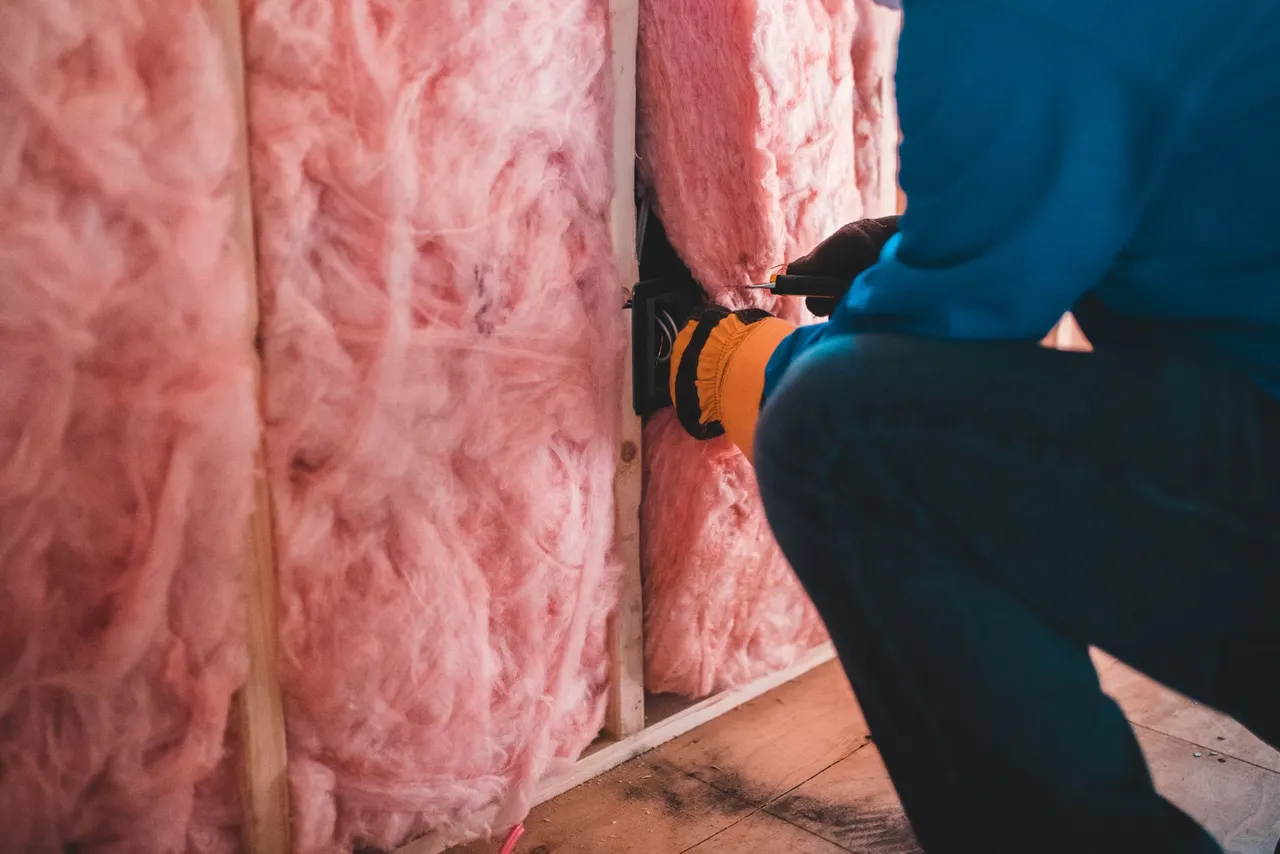
Our 24/7 spray foam removal line covers Halifax for urgent lender deadlines and water ingress emergencies. Ring 01422747049 at any hour and we will arrange the earliest possible site visit.
View service
Residential spray foam removal covers lofts, roof slopes, attic spaces and cavity walls in Halifax homes. We protect floors and furnishings, work room by room, and leave the property clean and ready for re-inspection.
View service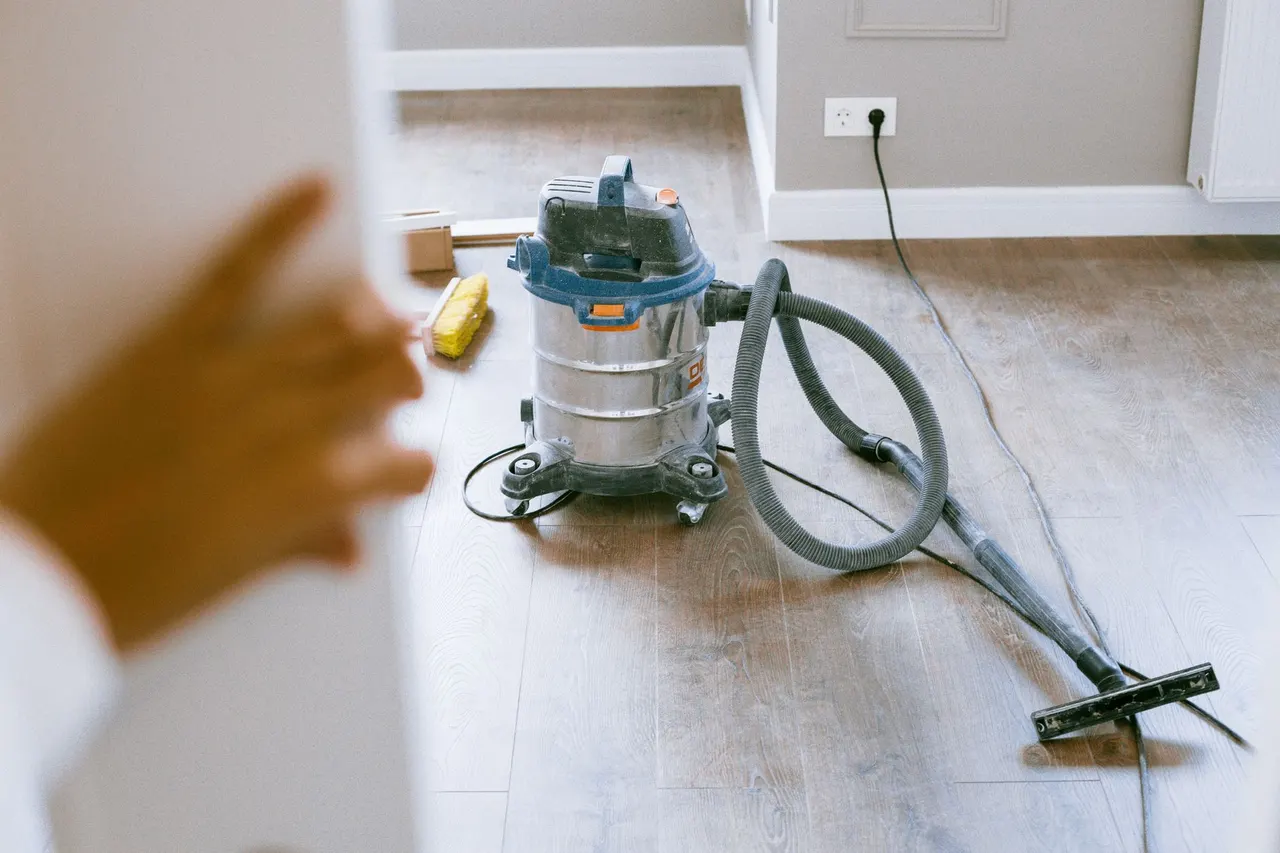
Ring 01422747049 or email info@moderntouchsprayfoam.com and we will get back to you the same working day. We are on the phone from 8am to 6pm Monday to Friday, and the 24/7 line is always open for emergency call-outs across Halifax. Tell us what you have seen and we will tell you what it needs.