Focused arrival windows
Useful updates and clear arrival timing.

Spray Foam Removal in Queensbury is what we do every week, from stone-built terraces off Stainland Road to lofts near Queensbury Academy. We cut out failed open cell and closed cell foam, clear the overspray, and leave your timbers breathing again. If a mortgage lender has flagged the foam in your roof, we handle the removal and the paperwork trail. Same-day call-outs across BD13 1 and BD13 2.
Useful updates and clear arrival timing.
Review the approach and price before deciding.
Equipped vehicles and respectful cleanup.
Neighbors serving neighbors with follow-through.
Modern Touch Spray Foam has been removing spray foam insulation across Queensbury and the surrounding West Yorkshire villages since 2022. We know this area well: the stone-built terraces that climb up towards the moor, the older lofts in Shelf and Northowram where Icynene and Lapolla foam was pumped in years ago, and the newer builds around Clayton where closed cell foam has caused condensation problems. Queensbury sits high and exposed between Halifax and Bradford, so roof spaces here take a real beating from wind-driven rain and cold. When spray foam is applied badly, it traps moisture against the timbers instead of keeping it out. That is when you get rot, damp patches on ceilings, and a mortgage lender refusing to lend. We remove open cell spray foam, closed cell spray foam and polyurethane foam using dry ice blasting machines, spray foam cutting saws, oscillating multi-tools and industrial vacuums, then we assess the timbers and tell you honestly what needs replacing. Whether you need affordable Spray Foam Removal in Queensbury or a full insulation removal service across BD13, we quote upfront and leave the loft clean enough to reinsulate.
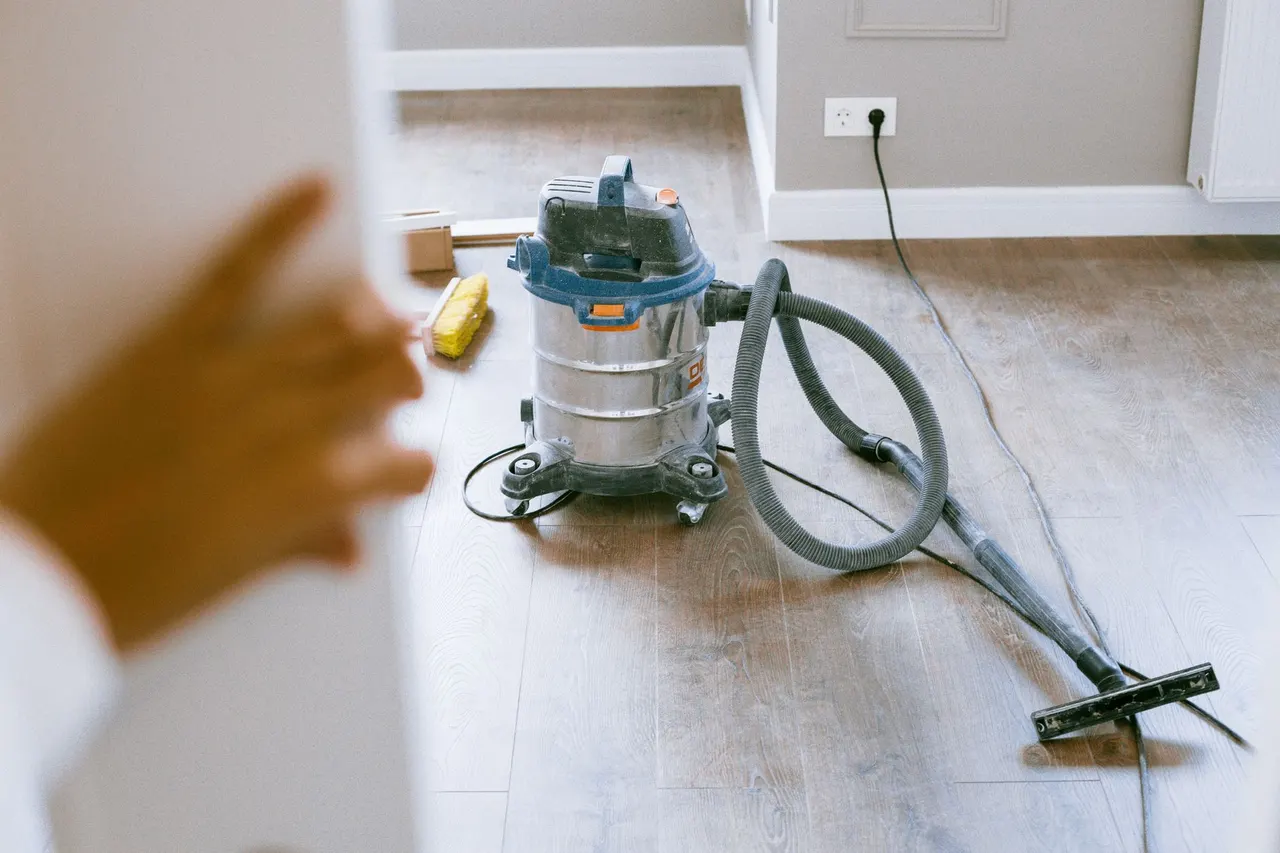
We deliver the full range of spray foam removal services across Queensbury, from emergency call-outs to planned loft clearances. If you have been searching for Spray Foam Removal Queensbury near me and need someone who actually covers BD13, we are on the road here most days. Whether it is a same day job or a booked-in removal, we bring the right tools and leave the space ready for reinsulation.
If you are searching for Spray Foam Removal near Queensbury, we cover the whole village and surrounding areas. We remove failed foam from lofts, roofs and cavity walls in stone terraces, semis and newer builds. Our team arrives with dry ice blasting equipment and industrial vacuums, and we clear the debris the same day. No mess left behind.
View service →02Same day spray foam removal is available across Queensbury when you call before midday. We prioritise urgent jobs like mortgage deadlines, surveyor visits and active leaks. Our van carries the spray foam cutting saw, oscillating multi-tool and PPE respirator so we can start as soon as we arrive. Most single-loft jobs are finished within four to six hours.
View service →03We run a 24/7 spray foam removal line for Queensbury and the surrounding West Yorkshire area. If foam is causing an active leak or you have a survey booked first thing, call us any hour. We will arrange the earliest slot, often the same night or first thing next morning. Emergency spray foam removal in Queensbury West Yorkshire is what the after-hours line is for.
View service →04Most of our Queensbury work is residential spray foam removal. We clear open cell and closed cell foam from lofts, attics and roof spaces in terraces, semis and detached homes. We protect floors and stairwells with sheeting, use air scrubbers to keep dust down, and bag all waste for proper disposal. Your home is left clean and ready for new insulation.
View service →05We handle commercial spray foam removal for units and warehouses around Queensbury and the Halifax corridor. Foam applied to metal decking or roof panels can trap condensation and cause corrosion. We remove it using thermal tools and abrasive methods, working around your operating hours. Night and weekend slots are available so your business keeps running.
View service →06Loft spray foam removal is our most common Queensbury job. Older terraces near the village centre often have Icynene or Lapolla foam sprayed directly onto roof timbers. We cut it back with a spray foam cutting saw, clear the dust with industrial vacuums, and inspect the timbers for rot. You get a clear report and photos for your lender or surveyor.
View service →07Roof spray foam removal in Queensbury often means dealing with foam applied between rafters in older properties. We access the roof space safely, remove the foam without damaging tiles or felt, and check for damp and condensation damage. If timbers need treatment, we flag it before we finish. Most roof foam jobs take one to two days.
View service →08Attic spray foam removal across Queensbury covers the same ground as loft work but often in tighter spaces. We use oscillating multi-tools and hand saws where access is limited, and air scrubbers to keep dust out of living areas. We remove foam board and sprayed polyurethane foam, then vacuum the space clean. You get a written summary of what we found.
View service →09Spray foam insulation removal in Queensbury is a full strip-out service. We take out open cell, closed cell and mixed foams from lofts, walls and roofs. Our team uses dry ice blasting machines and sand blasting equipment where the foam is stubborn. We dispose of everything responsibly and leave the structure ready for a PAS 2035 compliant retrofit.
View service →Every spray foam removal job in Queensbury starts with an assessment. We check the foam type, the condition of the timbers, and whether there is any active damp. If you have a mortgage deadline, tell us and we will work to it. We use dry ice blasting machines for most closed cell foam because it freezes the foam and lifts it cleanly off the wood without gouging. For open cell foam, a spray foam cutting saw and oscillating multi-tool are usually faster. We set up air scrubbers and sheeting to keep dust out of your living space, and we bag all waste for disposal. Access in Queensbury can be tight, especially in the stone terraces around the village centre where loft hatches are small and parking is on-street. We carry compact equipment for those jobs and usually park on Stainland Road or nearby side streets. Most loft removals take four to six hours. Larger roofs or cavity wall jobs can run to two days. We always leave the space vacuumed and ready for reinsulation, and we give you photos and a written summary of what we found. If you need Spray Foam Removal Queensbury West Yorkshire cost guidance before we start, we quote upfront.
Older Queensbury terraces often have hatches under 600mm wide, which makes getting equipment in and waste out slow. Foam removal here takes longer than in a modern house with a full stair access. We carry compact dry ice blasting units and hand tools that fit through small hatches. Waste goes out in bags rather than bulk bins. We allow extra time on the quote so there are no surprises, and we protect stairwells and landings with sheeting.
Queensbury sits high between Halifax and Bradford, so roofs and lofts take more wind-driven rain than lower-lying areas. Foam that has been holding moisture against timbers is more likely to have caused rot here. We inspect timbers as we remove the foam and flag any rot or damp. If treatment is needed, we tell you before we finish. We also check ventilation paths so the roof space can dry out properly once the foam is gone.
A lot of Queensbury homes had cavity wall insulation injected under older grant schemes. Where foam has bridged the cavity, damp can track across to the inner leaf and show up as patches on internal walls. We remove the foam from the cavity using thermal tools and vacuum extraction, then check the inner wall for moisture. If the cavity needs clearing for a PAS 2035 retrofit, we can strip it back and leave it ready for the next installer.
PAS 2035 governs how insulation retrofits are specified and installed in the UK. If your Queensbury property is going through a government-backed retrofit scheme, the old spray foam usually has to come out first. We remove it and leave the structure ready for a compliant installation.
Many spray foam products used in Queensbury lofts were covered by BBA certificates. If the foam was installed outside the certificate conditions, lenders may refuse. We document what was there and how it was removed, which helps satisfy surveyors and lenders.
Queensbury has a specific set of conditions that make spray foam problems more likely. The village sits high and exposed, so wind-driven rain is common. A lot of the housing stock is old stone terraces with small lofts and limited ventilation. Combine that with foam that was installed years ago under grant schemes, and you get a recipe for damp, rot and mortgage issues. We see these problems every week.
Older Queensbury terraces were built with ventilation gaps at the eaves. When spray foam is applied, it often covers these gaps. Without airflow, moisture from the house rises into the loft and cannot escape, so it condenses on timbers and felt. We remove the foam and clear the ventilation paths. We check that air can move freely from eaves to ridge. If additional vents are needed, we tell you before we finish so the roof space stays dry long term.
Closed cell foam is rigid and waterproof. If it is applied directly to timbers that already have some moisture, it traps that moisture inside. Over time, the timber rots. This is more common in exposed areas like Queensbury where rain drives into roofs. We use dry ice blasting to remove the foam without damaging the timber. Once it is off, we inspect for rot and treat any affected areas. We document everything with photos so you have a record for your lender or surveyor.
Many lenders will not lend on a property with spray foam unless it was installed to British Board of Agrément standards and the roof space is properly ventilated. A lot of foam in Queensbury was installed under older schemes that do not meet current requirements. We remove the foam, document the condition of the timbers, and provide a written summary that satisfies most lenders. We have helped homeowners across BD13 complete sales and remortgages that were stuck because of foam.
Cavity wall insulation was injected into many Queensbury homes years ago. If the foam bridges the cavity, moisture can track from the outer wall to the inner leaf. This shows up as damp patches on internal walls, often near the floor or ceiling. We remove the foam from the cavity using thermal tools and vacuum extraction. Then we check the inner wall for moisture and advise on next steps. If the cavity needs clearing for a retrofit, we can strip it back and leave it ready.

Queensbury is a village between Halifax and Bradford, and we use local landmarks to find addresses quickly. Queensbury Park is a useful reference point for jobs on the western side of the village. Queensbury Academy helps us locate streets towards the north. The Queensbury pub is a handy marker for the centre. Stainland Road runs through the village and is where a lot of our older terrace work is. Queensbury Tunnel is a local landmark on the edge of the village. We know the one-way streets and parking spots, which saves time on every job.
A useful orientation point for jobs on the western side of Queensbury. We use it to locate streets off the main road and to plan parking for larger jobs.
Helps us find addresses towards the north of the village. If you are near the academy, mention it when you call and we will know exactly where you are.
A central village landmark we use as a reference for jobs in the middle of Queensbury. Handy for directing new customers to meeting points if needed.
A local landmark on the edge of the village. Useful for orienting jobs towards the Halifax side and for explaining routes to customers unfamiliar with the area.
The main route through Queensbury and where many of our older terrace jobs are. We know the parking restrictions and access points along this road.
The village centre has a mix of small shops, pubs and offices, mostly in older stone buildings. Some have loft or roof spaces with spray foam that needs removing.
Stainland Road has a number of small business units and workshops. We have removed spray foam from roof spaces and cavity walls in this area for commercial customers.
A disused railway tunnel on the edge of the village. It is a useful landmark for directing our team to the eastern side of Queensbury.
The main road linking Queensbury to Halifax and Bradford. We use it for quick access to jobs across the village and surrounding areas.
We work across Queensbury and the surrounding villages, from the centre out towards Shelf, Northowram, Clayton and Thornton. If you are in BD13 1 or BD13 2, we are close by. Most jobs are booked within a few days, and same-day slots are often available for urgent mortgage or survey deadlines.
The older stone terraces around the village centre and Stainland Road are where we do most of our loft spray foam removals. Many have small hatches and limited on-street parking, so we plan access carefully. Foam here is often Icynene or Lapolla applied years ago. We are usually in the village centre within 20 minutes of a call.
Shelf has a mix of older semis and newer builds. We see closed cell foam in lofts here that has caused condensation because ventilation was blocked. The higher ground means more wind-driven rain, so roof spaces need to breathe. Shelf is a short drive from our Queensbury base, usually 15 minutes.
Northowram has a lot of family homes with loft conversions and attic spaces. Spray foam removal here often involves working around stored items and finished ceilings. We sheet up carefully and keep dust out of the house. Northowram is 10 to 15 minutes from Queensbury via the back roads.
Clayton has newer housing stock where spray foam was sometimes applied to roof decks. We remove closed cell foam here that has trapped moisture and caused damp patches on ceilings. The work is usually straightforward because access is better than in the older terraces. Clayton is about 15 minutes from Queensbury, easy to reach for same-day jobs.
These are real examples of work we have done in Queensbury. They show the range of problems we see and how we solve them. Every job is different, but the approach is the same: assess, remove, document, and leave the space ready for what comes next.
A homeowner on Stainland Road was told by their mortgage lender that the sale could not proceed until spray foam was removed from the loft. The foam was closed cell and bonded hard to the rafters. We used dry ice blasting to freeze and lift the foam without damaging the timbers. The job took a day and a half. We vacuumed the loft, checked for rot, and provided photos and a written summary for the lender. The lender accepted the documentation and the sale completed two weeks later. The loft was left clean and ready for new insulation.
A family in Shelf had damp patches on the ceiling below their loft. The open cell foam had been holding moisture against the roof timbers for years, and ventilation was blocked. We removed the open cell foam with cutting saws and multi-tools, then cleared the ventilation paths. We found early signs of timber rot and treated it before finishing. The job took one day. The damp patches stopped spreading within a month. The homeowner said the loft felt drier and the musty smell was gone.
A commercial unit near Queensbury Tunnel had spray foam on metal roof decking that was trapping condensation and causing rust. The business needed the work done without closing. We worked over two evenings, using thermal tools and abrasive blasting to remove the foam in sections. We contained dust with sheeting and air scrubbers so the unit could open as normal each morning. The roof deck was clean and rust treatment could begin. The business did not lose a single trading day.
Queensbury weather is changeable all year round, but the seasons do affect spray foam problems and how we work. Autumn is here now, and we are heading into the wetter, colder months when damp issues become more obvious. If you have foam in your loft, this is the time to get it checked before winter sets in.
Spring showers and melting snow can reveal damp patches that were hidden over winter. If foam has been trapping moisture, you may see stains on ceilings or smell damp in the loft. This is a good time to book an assessment.
Warmer weather can make lofts uncomfortably hot, especially where foam has blocked ventilation. Heat builds up and can cause condensation when temperatures drop at night. Foam that has been wet may also start to smell worse in the heat.
Autumn brings wind-driven rain and falling temperatures. Queensbury is exposed, so roofs take a beating. If foam is blocking ventilation, moisture from the house will condense on cold timbers. This is when rot can take hold.
Cold weather and frost can cause condensation to form on roof felt and timbers. If foam is present, it traps that moisture. Ice can also form, which damages timber over time. This is the worst season for foam-related damp problems.
We cover Queensbury and a wide area of West Yorkshire, including Halifax, Sowerby Bridge, Brighouse and the surrounding villages. If you are within 20 minutes of Queensbury, we can get to you. Many of our customers come from Halifax City Centre, Siddal, Savile Park and Skircoat Green, and we are happy to travel.

About 15 minutes from Queensbury. We regularly work in Halifax on loft and roof foam removals, and we can often combine jobs in the same day.
Local coverage and details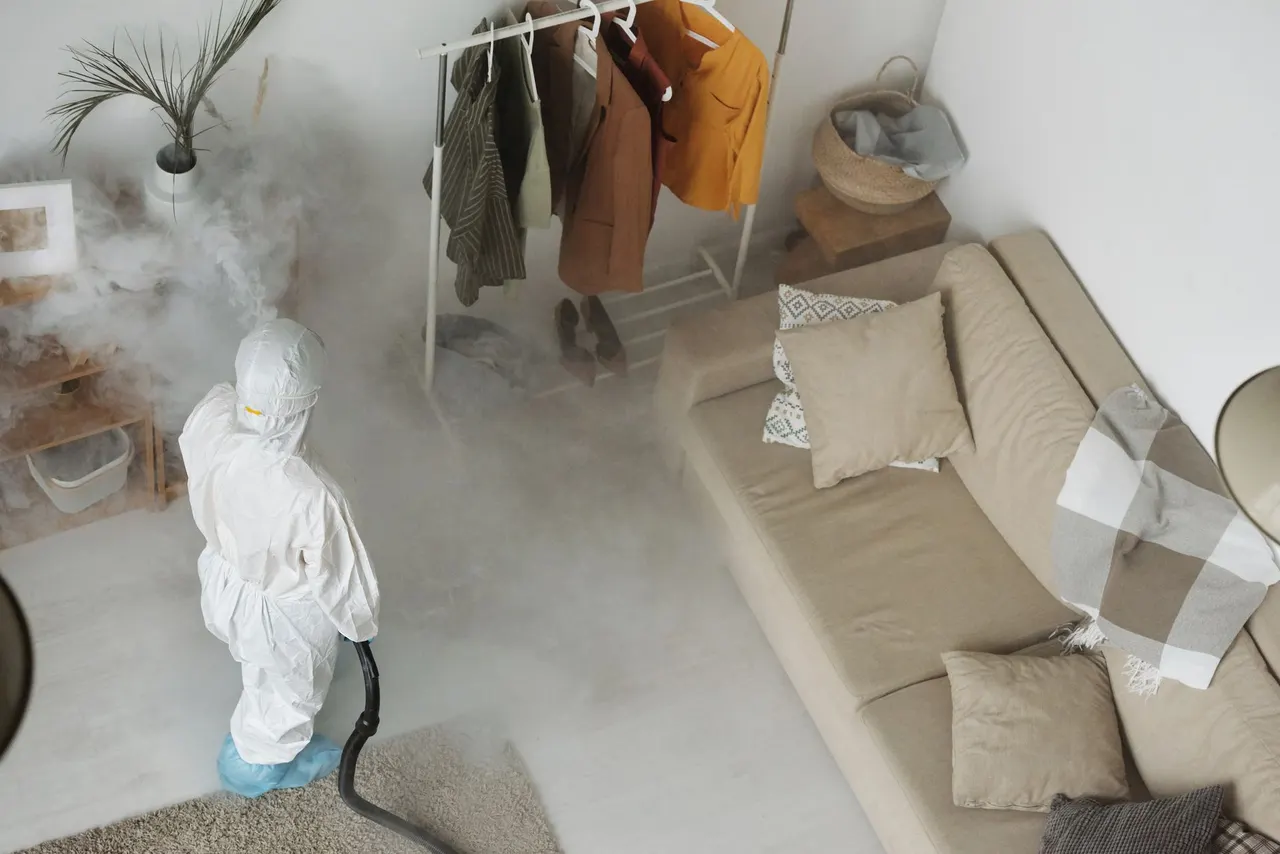
Around 20 minutes from Queensbury. We cover Sowerby Bridge for residential and commercial spray foam removal, especially older stone properties.
Local coverage and details
About 15 minutes from Queensbury. Siddal has a lot of older terraces with loft foam, and we have done several removals there.
Local coverage and details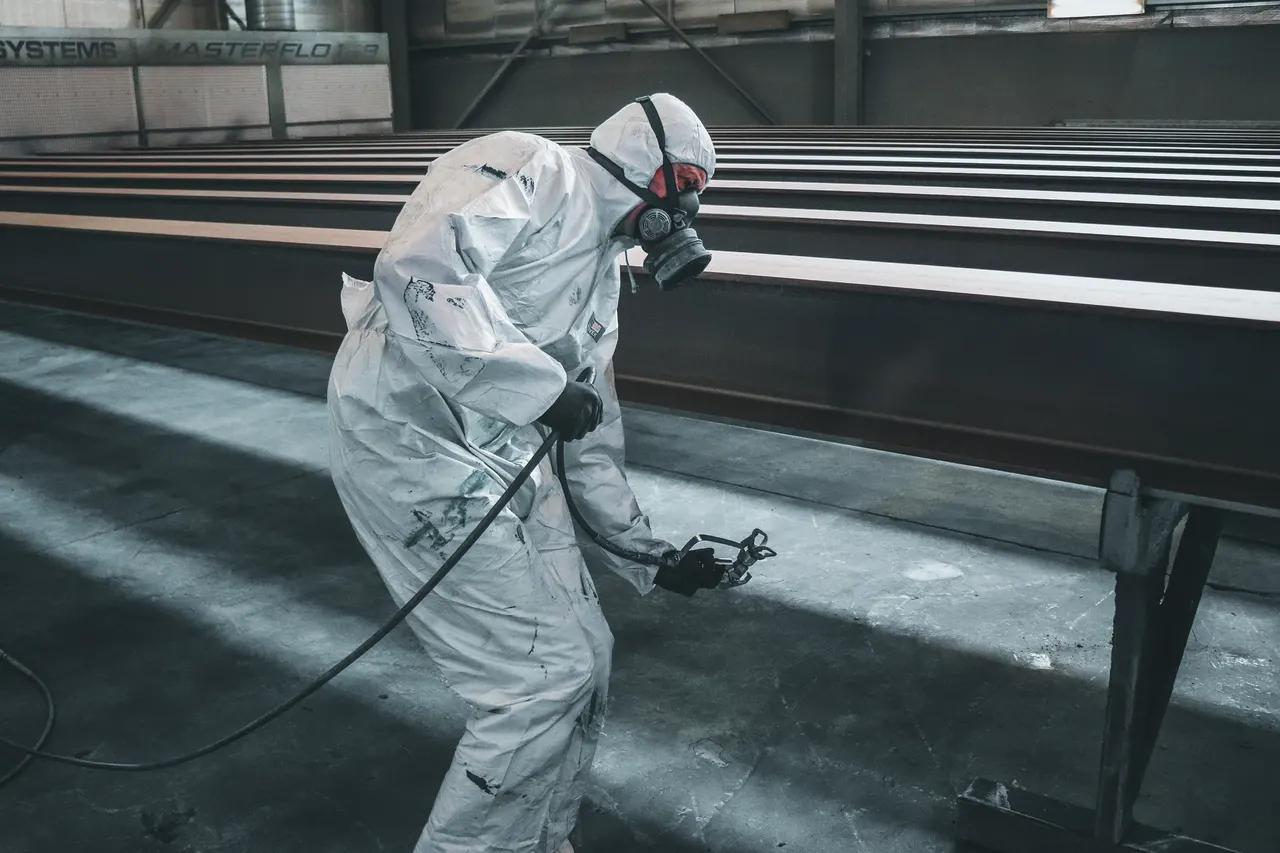
Roughly 15 minutes from Queensbury. We cover Savile Park for loft and cavity wall foam removal, often for homeowners preparing to sell.
Local coverage and detailsNot all spray foam removal companies are the same. Some will cut out the foam and leave you to deal with the mess and the paperwork. Others will do the job properly and give you what you need for your lender. Before you hire anyone in Queensbury, ask these questions.
If you are selling or remortgaging, your lender will want proof that the foam has been removed and the timbers are sound. A company that provides photos and a written summary saves you time and stress. Ask to see an example.
Dry ice blasting, thermal tools and sand blasting all have different strengths. A good contractor will match the method to the foam type and the timber. If they only offer one method, they may not be able to do the job without damaging your roof.
Spray foam removal involves working at height and with power tools. Check they have public liability insurance and relevant certifications like CHAS or Constructionline. This protects you if anything goes wrong.
Spray foam waste cannot go in normal household bins. A reputable company will bag it and dispose of it at a licensed facility. Ask where it goes. If they cannot answer, walk away.
Foam often hides rot. A thorough contractor will inspect the timbers once the foam is off and tell you if treatment is needed. If they just cut out the foam and leave, you could be left with a bigger problem.
CHAS
Constructionline
NEBOSH
2 million pounds public liability
Member
Member
Most loft spray foam removals in Queensbury cost between 900 and 2,500 in 2026, depending on the foam type and access. Closed cell foam takes longer to remove than open cell, so it costs more. If timbers need treatment, that adds to the price. We quote upfront after a free assessment. Call 01422747049 to book.
We cannot speak for other companies, but we have been removing spray foam in Queensbury since 2022. We use dry ice blasting, thermal tools and industrial vacuums, and we provide the documentation lenders need. Our customers in Shelf, Northowram and the village centre have left us 4.9-star reviews. Call us and judge for yourself.
Yes. We cover the whole of Queensbury, including BD13 1 and BD13 2, plus Shelf, Northowram, Clayton and Thornton. We offer same-day and 24/7 emergency call-outs. If you are within 20 minutes of the village, we can get to you. Call 01422747049 to check availability.
You need removal if a lender or surveyor has flagged the foam, if you have damp patches or a musty smell in the loft, or if you can see rot on timbers. Not all foam is a problem, but in Queensbury's exposed position, poorly installed foam often traps moisture. We offer a free assessment to tell you honestly.
We aim to be with you within 60 to 90 minutes for emergency call-outs in Queensbury. Our 24/7 line is staffed, so call any time. If you have an active leak or a survey booked first thing, we will prioritise your job. Call 01422747049 and we will arrange the earliest slot.
Not seeing your question? Our local team can help you understand urgency, scheduling and what to expect.
Ask the local teamRing 01422747049 or email info@moderntouchsprayfoam.com and we will get back to you the same working day. We are on the phone from 8am to 6pm Monday to Friday, and the 24/7 line is always open for emergency call-outs across Halifax. Tell us what you have seen and we will tell you what it needs.