Focused arrival windows
Useful updates and clear arrival timing.

Thermal Spray Foam Removal in Halifax is what we do every week, from Siddal lofts to Sowerby Bridge cavity walls. If spray foam is blocking your mortgage, trapping damp, or rotting roof timbers, we cut it out, clean the cavity, and leave the structure ready for a lender's inspection. Heat based spray foam removal Halifax West Yorkshire wide, with same day call-outs and a written report for your surveyor.
Useful updates and clear arrival timing.
Review the approach and price before deciding.
Equipped vehicles and respectful cleanup.
Neighbors serving neighbors with follow-through.
Every Halifax removal job includes the essentials: survey, containment, removal, clean-up, and a written report. Add-ons like timber treatment, re-insulation, or cavity wall tie inspection are quoted separately if needed. You will know exactly what is covered before we start.
We identify whether the foam is open cell or closed cell, measure the area, and check timber moisture with a pin meter. You get a fixed price and a clear explanation of what needs removing and why.
Polythene sheeting, sealed loft hatches, and a running air scrubber keep foam dust out of your living space. We protect floors, furniture, and anything stored in the loft before a single cut is made.
Using a spray foam cutting saw, oscillating multi-tool, and where needed a dry ice blasting machine, we remove the foam back to bare timber. All waste is bagged and removed from site.
After extraction we vacuum every surface, rafter, and eaves gap. The loft is left dust-free and ready for inspection or re-insulation. We do not leave crumbs behind for you to deal with.
You receive a report with before and after photos, foam type, area removed, and timber condition. It is formatted for Halifax mortgage lenders and surveyors, so you can forward it straight to your broker.
We tell you what insulation should go back in, where ventilation must be maintained, and which products will not cause the same problem again. That advice is included, not sold as an extra.
Share what is happening and receive a clear next step from the local team.
Thermal Spray Foam Removal in Halifax is the controlled cutting, heating, and extraction of cured polyurethane foam from lofts, rafters, cavity walls, and roof decks. We do not just rip it out. We identify whether it is open cell spray foam or closed cell spray foam, check the timber moisture content, then use thermal removal tools, a spray foam cutting saw, and an oscillating multi-tool to take the foam back without gouging the rafters. An industrial vacuum and air scrubber run throughout so dust and foam particles stay out of your living space.
Most Halifax homeowners call us for one of three reasons: a mortgage lender refusal after a survey flagged spray foam, damp and condensation appearing on ceilings, or roof timber rot found during a loft conversion. The foam itself is not always the villain. The problem is what it traps. In a Halifax terraced house with a slate roof and no felt, closed cell foam seals the deck and stops the timber breathing. We remove it, treat the timbers, and leave ventilation paths open so the roof can dry.
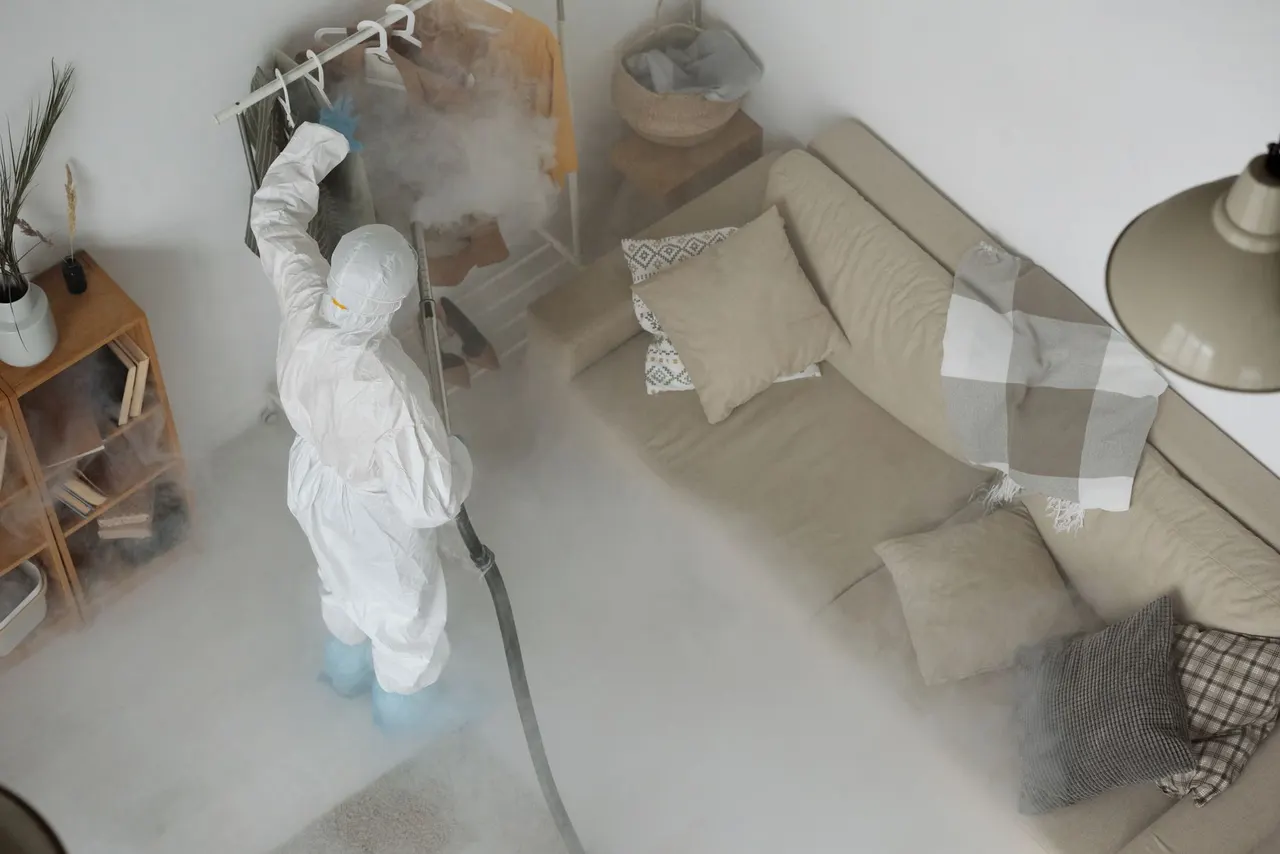
We visit your Halifax property, check the foam type, measure the area, and test timber moisture with a pin meter. You get a fixed price the same day. A typical loft takes 45 minutes to survey. If the foam is in a cavity wall, we use a borescope to check the fill before quoting.
We lay dust sheets, seal the loft hatch with polythene, and position the air scrubber. If you are living in the house, we keep the working zone negative pressure so no foam dust drifts into bedrooms. Setup takes 30 to 40 minutes on a standard Halifax terrace.
Using a spray foam cutting saw and oscillating multi-tool, we slice the foam into manageable sections. On stubborn closed cell foam we bring in the dry ice blasting machine, which freezes the bond and lets it release cleanly. A two-person crew clears a 30 square metre loft in four to six hours.
The industrial vacuum pulls residual foam crumbs and dust. We inspect every rafter, treat any signs of rot with preservative, and check that ventilation gaps at the eaves are clear. You get photos of the bare timber before we pack up, ready for your lender or surveyor.
We issue a removal report with before and after images, foam type, area removed, and timber condition. Most Halifax clients forward it straight to their mortgage broker. We also leave written re-insulation guidance so you do not repeat the mistake with the wrong product.
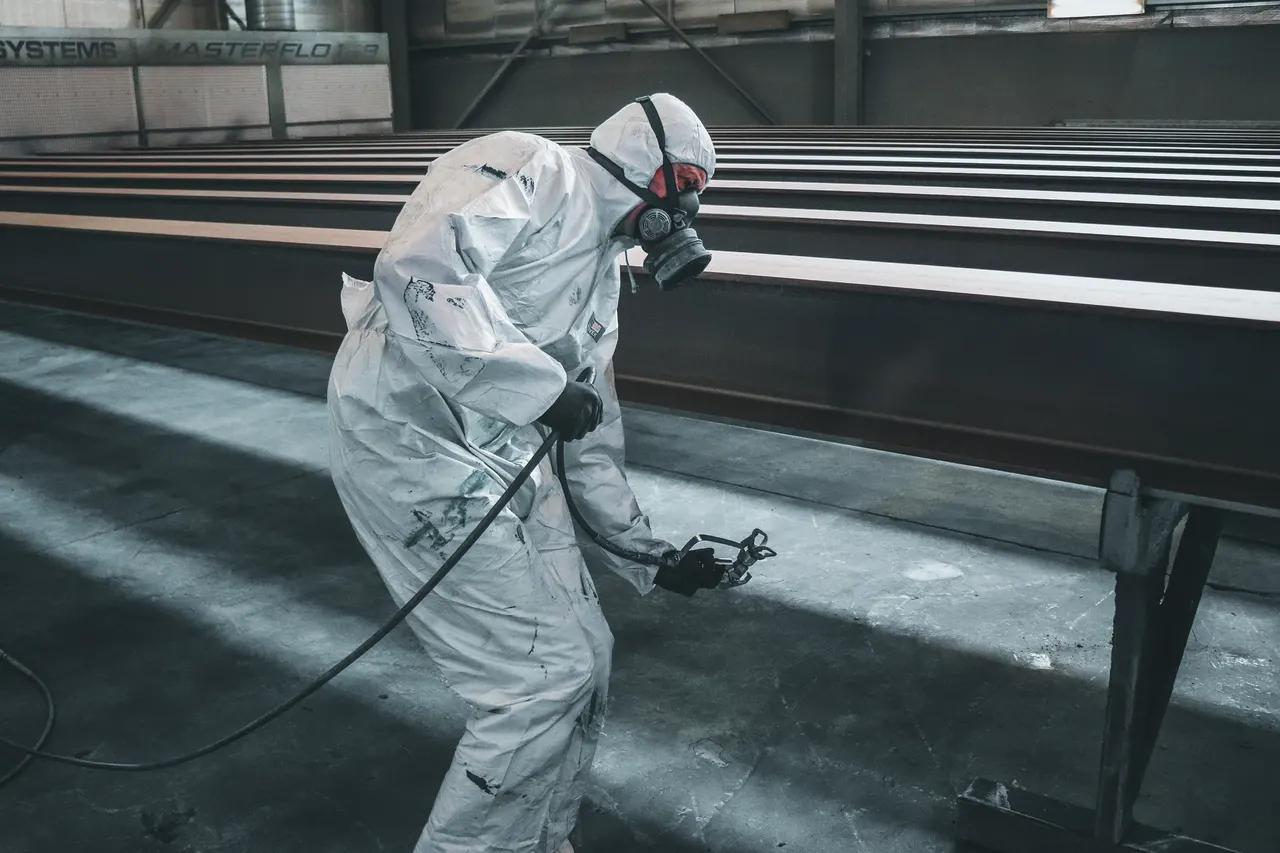
Freezes and cracks the bond between closed cell foam and timber without abrasive damage. Ideal for old Halifax rafters where sand blasting would be too aggressive.
Slices cured foam into manageable blocks for extraction. We use it for bulk removal on open cell and softer closed cell foams before finishing by hand.
Gets into corners, around truss plates, and along rafter edges where a saw cannot reach. Essential for clean removal without gouging the timber.
Pulls foam crumbs, dust, and debris from the loft floor, rafters, and eaves. We run it throughout the job, not just at the end.
Keeps the working zone under negative pressure so foam dust does not drift into bedrooms. Critical when clients are living in the house during removal.
Full-face respirators for every crew member. Spray foam dust and dry ice vapour are not things you want to breathe, and we do not ask our team to.
Heat-based softening of the foam bond using thermal removal tools. It is our default method for most open cell and many closed cell foams because it is fast and leaves the timber intact.
Frozen CO2 pellets fired at the foam surface cause it to shrink and crack away from the substrate. No abrasive media, no water, and no chemical residue left behind.
For heavy overspray on masonry and trusses where thermal methods leave a film. We control dust with an industrial vacuum and air scrubber running alongside the blasting unit.
We follow PAS 2035 when assessing and removing insulation, so the work is documented to a recognised standard. That matters when a lender or surveyor wants evidence the job was done properly.

We survey the same week, remove the foam, and issue a lender-ready report with photos and timber moisture readings. The buyer forwards it to their broker. The lender reinstates the offer and the purchase completes. Typical turnaround from survey to report is five to seven working days.
We remove the foam, clear the eaves ventilation, and check the rafters for rot. If the timber is sound, we treat it and leave the roof able to dry. The damp patches stop spreading and dry out over two to three weeks. The loft is left ready for compliant insulation.
We extract the injected foam, clear the weep holes, and inspect the wall ties. The cavity is left empty and ventilated as it should be. The internal damp stops returning. The landlord avoids a much larger repair bill and the tenant stays in place.
We cut back the foam from trusses and rafters, vacuum the area, and hand it over ready for boarding and a proper insulation assessment. The loft is clear, clean, and ready for conversion. The homeowner gets a usable room instead of a sealed, smelly space.
Halifax has a specific set of conditions that make spray foam removal different from other towns. The housing stock is dominated by stone-built terraces and semis, many with slate roofs and no felt. When closed cell foam is sprayed onto those roof decks, it seals the timber and stops it breathing. Add West Yorkshire rain and the damp air that comes off the Calder valley, and you get condensation and rot faster than in drier parts of the country. We also see a lot of cavity wall foam in Halifax terraces, often injected years ago and now bridging the damp-proof course. Most of our work is mortgage-driven, so the report matters as much as the removal. If you are searching for Heat based spray foam removal Halifax same day, we can usually survey within 48 hours and have the foam out within the week. Typical 2026 pricing for a Halifax loft removal sits between 900 and 2,400 pounds.
Large Victorian villas with deep roof voids. Foam here is often thick and needs dry ice blasting to remove without damaging original rafters.
Post-war semis with shallow lofts and limited access. We use smaller cutting tools and a compact vacuum to work in tight roof spaces.
Stone terraces close to the river. Damp air and poor ventilation make foam-related rot more likely, so moisture testing is essential.
Dense terraced housing with shared roof lines. Cavity wall foam is common, and we often need to coordinate access with neighbours.
Foam bonds directly to slate and timber, so removal needs care to avoid cracking slates. We use thermal methods first and only escalate to blasting if needed.
Trapped moisture causes rot faster. We always take timber moisture readings and treat early rot before it spreads along the rafter run.
Injected foam can bridge the damp-proof course. We extract it, clear the weep holes, and check the wall ties while the cavity is open.
Lenders want paperwork fast. We prioritise report turnaround on Halifax jobs so your broker is not waiting on us.
A buyer's mortgage was refused after a surveyor found closed cell foam across the entire loft roof deck. The foam was 40mm thick, bonded hard to the rafters, and the lender wanted it gone before they would lend.
We removed 28 square metres of closed cell foam using dry ice blasting, treated two rafters with early rot, and issued a report with 24 before and after photos. The lender accepted the report and the buyer completed 11 days later.
Maintenance: We advised leaving the loft uninsulated until a PAS 2035 assessment could specify a breathable product. The buyer booked that assessment with us a month later.
A homeowner had damp patches spreading across a bedroom ceiling below a foam-insulated roof deck. Moisture readings in the rafters were above 22 percent, and black mould was visible on the plasterboard.
We stripped the foam, cleared the eaves ventilation, and treated the rafters. Within three weeks the ceiling was dry and the mould had stopped spreading. Moisture readings dropped to 14 percent.
Maintenance: We recommended keeping the loft hatch open during cold spells and monitoring the ceiling for any new patches. No further treatment has been needed.
A landlord's terraced house had foam injected into the cavity wall years earlier. Damp was tracking through to the front room, and the tenant had complained twice. The weep holes were completely blocked.
We extracted the foam from 12 metres of cavity, cleared the weep holes, and inspected the wall ties. The internal damp stopped within a fortnight and the wall dried out over the following month.
Maintenance: We advised checking the weep holes annually and keeping the external ground level below the damp-proof course. The landlord now includes that check in his annual maintenance.
Spray foam causes a predictable set of problems in Halifax homes. Here are the ones we see most often, and what happens if you leave them alone.
Your purchase stalls, your offer may expire, and you lose survey and legal fees if the sale collapses. Lenders treat unverified spray foam as a structural risk. We remove the foam, photograph the bare timbers, and issue a report your lender accepts. Most Halifax clients get their mortgage offer reinstated within 10 working days of the report being submitted.
Foam seals the roof deck and traps moisture. You get black mould, damp patches, and eventually rot in the roof timbers. Left alone, it can mean a full roof strip. We strip the foam, restore ventilation at the eaves, and treat any early rot. Condensation usually clears within two to three weeks once the roof can breathe again.
Rot spreads along rafters and into wall plates. By the time it is visible, you may be looking at structural repairs costing five figures. Our survey includes timber moisture readings. If rot is found, we remove the foam, treat the affected timber with preservative, and document the condition for your surveyor.
Foam in a cavity can bridge the damp-proof course and block weep holes. Damp then tracks into the inner leaf and shows up as patches on internal walls. We extract the foam, clear the weep holes, and inspect the wall ties. Once the cavity is clear, the damp usually stops within a few weeks of normal drying.

Modern Touch Spray Foam has been removing spray foam across Halifax since 2022. In that time we have worked on stone-built terraces in Halifax City Centre, 1970s estates in Mixenden, and barn conversions out towards Ripponden. Our technicians are trained in PAS 2035 retrofit principles and hold CHAS and Constructionline accreditation. We know the difference between Icynene, Lapolla, and Demilec foam on sight, and we know which ones come off with heat and which need dry ice. That matters when your mortgage is on the line and the surveyor wants evidence the foam is gone, not just covered up.
Most Halifax loft removals run 900 to 2,400 pounds in 2026, depending on foam type, area, and access. A small 15 square metre loft with open cell foam sits at the lower end. Closed cell foam across 40 square metres with limited access pushes towards the top. Cavity wall removal is priced per metre and usually starts around 45 pounds per square metre. The survey and fixed quote are free.
The best foam removal team is the one that identifies the foam correctly, protects your timbers, and gives you paperwork your lender accepts. We have been doing exactly that in Halifax since 2022, with CHAS and Constructionline accreditation and PAS 2035 training. Ask any contractor for before and after photos of a Halifax job and a sample report before you book.
Yes. Heat based spray foam removal Halifax West Yorkshire wide is our standard method for most open cell and many closed cell foams. We use thermal removal tools and a dry ice blasting machine to break the bond without damaging rafters. For heat-sensitive substrates or heavily oversprayed trusses, we switch to abrasive media or hand cutting. Same day slots are usually available.
You need it if a mortgage lender has flagged the foam, if you can see damp or condensation at the roof deck, or if a surveyor has noted timber rot. Foam that is dry, well-ventilated, and documented may be fine to leave. If you are unsure, book an insulation assessment. We check moisture, airflow, and foam type, then tell you honestly whether removal is necessary.
Not seeing your question? Our local team can help you understand urgency, scheduling and what to expect.
Ask the local team
If you are searching for spray foam removal near me in Halifax, we cover every postcode from HX1 to HX6. Our local crews know the terraced housing stock and the access quirks that come with it. Same day surveys are usually possible.
View service
When a lender deadline is looming, same day spray foam removal in Halifax gets the foam out fast. We hold emergency slots for mortgage-driven jobs. Ring before 10am and we can often survey the same afternoon.
View service
Our 24/7 spray foam removal line covers Halifax for urgent water ingress after foam removal, storm damage, or last-minute lender inspections. A real person answers, not a call centre. We dispatch the nearest available crew.
View service
Residential spray foam removal is our core work in Halifax. Lofts, rafters, dormers, and cavity walls in family homes. We contain dust, protect your belongings, and leave the house clean enough to sleep in the same night.
View service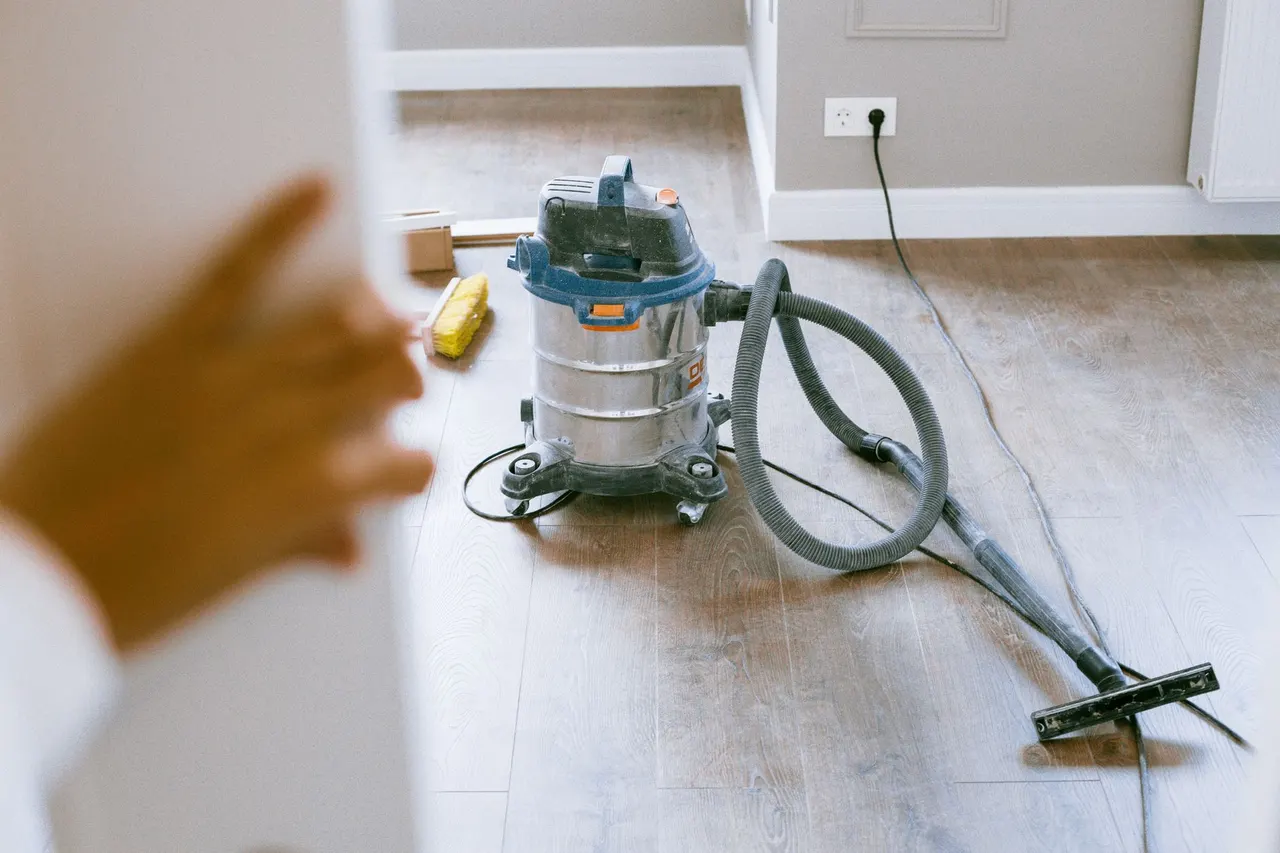
Ring 01422747049 or email info@moderntouchsprayfoam.com and we will get back to you the same working day. We are on the phone from 8am to 6pm Monday to Friday, and the 24/7 line is always open for emergency call-outs across Halifax. Tell us what you have seen and we will tell you what it needs.