Focused arrival windows
Useful updates and clear arrival timing.

Spray Foam Removal in Illingworth is what we do every week, from the large council estate off Illingworth Moor to the terraces near Whitehill Community Academy. If spray foam insulation is blocking your mortgage, trapping damp in your loft, or rotting roof timbers, our team removes it cleanly and disposes of it properly. We cover HX2 8 and HX2 9, plus Mixenden, Ovenden and Bradshaw, with same day call-outs where the job allows.
Useful updates and clear arrival timing.
Review the approach and price before deciding.
Equipped vehicles and respectful cleanup.
Neighbors serving neighbors with follow-through.
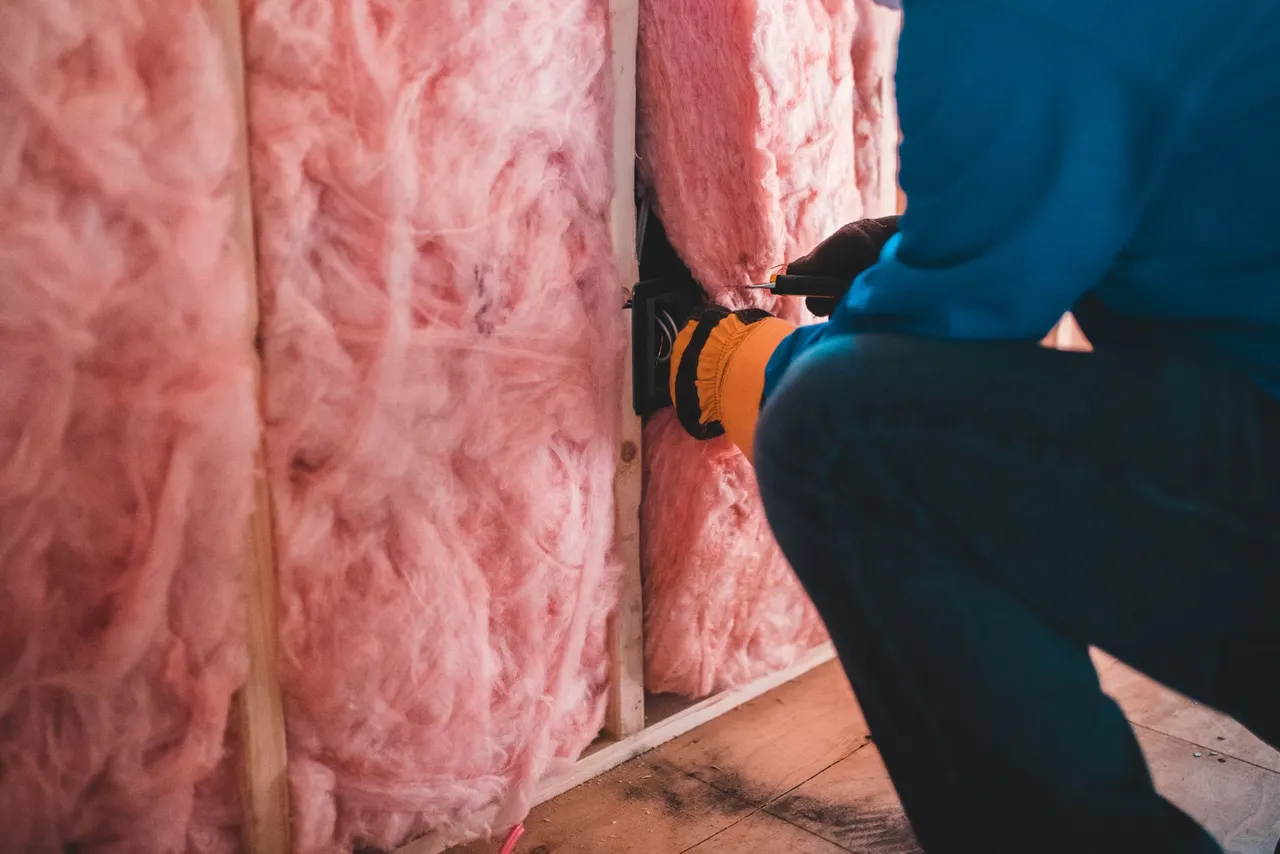
Spray Foam Removal in Illingworth is a specialist job, and it is not the same as pulling out old mineral wool. Most of the properties we work on around Illingworth Moor and the HX2 8 estate have open cell spray foam or closed cell spray foam pumped into the loft or cavity years ago, often under a now-questionable grant scheme. That foam can trap moisture against roof timbers, block ventilation, and cause a mortgage lender to refuse a valuation outright. We have been removing it across Illingworth since 2022, working out of Halifax and covering Mixenden, Ovenden, Ogden and Bradshaw as part of our normal week. Our technicians use a spray foam cutting saw, oscillating multi-tool and industrial vacuum to take the foam back without wrecking the plasterboard or the rafters underneath. Where the foam is bonded hard to brick or tile, we bring in dry ice blasting or thermal removal tools to lift it without abrasive damage. Every job ends with an air scrubber run and a full clean-down, so you are not left breathing foam dust. If you have been searching for Spray Foam Removal near Illingworth and want a straight answer on cost and timescales, we will give you one.

Demand for Spray Foam Removal in Illingworth splits into two clear groups: homeowners who cannot sell or remortgage because of foam in the roof, and homeowners dealing with damp, condensation or cold rooms caused by foam that was badly installed. We cover both, plus commercial units and warehouses on the edge of the estate. If you need Spray Foam Removal in Illingworth West Yorkshire cost figures before you commit, we will price it from photos and a quick survey.
If you are searching for Spray Foam Removal near me in Illingworth, we cover the whole HX2 8 and HX2 9 area plus Mixenden, Ovenden and Bradshaw. Most call-outs are loft or roof void removals on terraces and semis. We arrive with the cutting saw, vacuum and air scrubber, and we take the foam out in sealed bags the same visit.
View service →02Same day spray foam removal is available across Illingworth when the job is a straightforward loft or attic clearance. Call before midday and we can often be on site the same afternoon, particularly for HX2 8 and HX2 9 addresses. Larger roof or cavity wall jobs get booked into the next available slot, usually within 48 hours.
View service →03Our 24/7 spray foam removal line covers Illingworth for urgent cases, including water ingress where foam is holding moisture against timbers and you need it out fast. Call 01422747049 at any hour. We will talk you through temporary measures on the phone and get a technician out to Illingworth as soon as the job allows.
View service →04Residential spray foam removal is the bulk of what we do in Illingworth. That means lofts, attics, roof voids and cavity walls on semis, terraces and bungalows across the estate. We protect floors and stairwells, work room by room, and leave the property clean enough to sleep in the same night. Most homes take one to two days.
View service →05Commercial spray foam removal in Illingworth covers units, workshops and light industrial buildings around the edge of the estate and towards Halifax. We work around your operating hours, including evenings and weekends, so you are not losing trading time. Larger floor areas get a phased schedule with the industrial vacuum and air scrubber running throughout.
View service →06Loft spray foam removal is our most common Illingworth job. Foam sprayed between and under the rafters traps heat and moisture, and it is the single biggest reason surveyors flag a property here. We cut it back with an oscillating multi-tool, clear the debris with an industrial vacuum, and check the timbers for rot before we finish.
View service →07Roof spray foam removal in Illingworth usually means foam applied directly to the underside of the roof covering or sarking. That is where roof timber rot starts, because the foam stops the roof breathing. We remove it in sections, inspect the battens and rafters, and tell you straight away if any timber needs replacing before the roof is closed up again.
View service →08Attic spray foam removal covers the smaller, awkward roof spaces common in older Illingworth terraces, where access is through a tight hatch and headroom is limited. We use compact cutting tools and a flexible vacuum hose to work in confined spaces without damaging the ceiling below. Expect half a day for a typical attic.
View service →09Spray foam insulation removal in Illingworth covers both open cell and closed cell foam, plus any foam board or loose insulation mixed in with it. We separate the materials as we go so as much as possible is recycled rather than landfilled. Full removal, bagging and disposal are included in the price we quote.
View service →Every Spray Foam Removal in Illingworth job starts with a look at the roof void, not a sales pitch. We check the foam type, how far it has bonded, whether ventilation has been blocked, and whether any timbers have started to rot. From there we pick the method: cutting saw and oscillating multi-tool for most open cell foam, thermal removal tools or dry ice blasting for closed cell foam bonded to old timber. We sheet up, run an air scrubber, and bag the foam as it comes out so dust does not migrate into your living space. Illingworth weather matters here. The estate sits close to open moorland and takes the brunt of driving rain and cold easterlies, so roofs and cavities are already under pressure before you add foam. We schedule external work around the forecast and keep internal work going regardless. Access is the other local factor. Plenty of HX2 8 and HX2 9 terraces have tight ginnels and on-street parking only, so we plan where the van sits before the day starts. If you need Spray Foam Removal in Illingworth West Yorkshire cost confirmed before booking, send us photos of the loft and we will give you a fixed figure.
Standard cutting equipment will not fit through many hatches on the estate, which slows removal and risks damage to the ceiling below if forced. We carry compact cutting saws and a flexible vacuum hose specifically for confined roof spaces. Where the hatch is genuinely too small, we open a clean access panel, remove the foam, and make the opening good before we leave.
Closed cell foam sets like rock and will not scrape off, so brute force removal splits rafters and costs more to put right than the removal itself. We switch to thermal removal tools or dry ice blasting, which break the bond without gouging the timber. It takes longer per square metre, but the rafters come out intact and reusable.
Getting the van, vacuum and waste bags close to the property is not always straightforward, and a long carry adds time to every load-out. We plan the parking and carry route before the day, and where needed we use a smaller van for the final approach. Waste is bagged at the loft and carried out in stages rather than left in a pile outside.
PAS 2035 governs how retrofit insulation work is assessed and installed. It matters in Illingworth because foam installed without a proper ventilation assessment is exactly what causes the damp and timber problems we are called out to fix.
BBA certificates confirm whether an insulation product is approved for a given use. When we assess your Illingworth loft, we check whether the foam that was installed actually holds a valid certificate, which often decides whether a lender will accept it.
Part C covers moisture and Part L covers energy efficiency. Foam that blocks ventilation breaches the moisture requirements, and that is the technical reason surveyors flag it on Illingworth properties even when the foam looks fine.
Illingworth has a specific set of conditions that make spray foam problems more likely than in other parts of Halifax. The estate sits on the edge of open moorland, so it catches driving rain and cold easterlies. The housing stock is a mix of 1930s semis, post-war terraces and newer infill, and each one handles foam differently. Add in a lot of foam installed under older grant schemes without proper ventilation assessment, and you get the pattern of problems we see week in, week out.
Lenders treat spray foam as a hidden risk because it can mask timber rot and block ventilation. In Illingworth this hits hardest on the HX2 8 and HX2 9 terraces where foam was installed cheaply years ago without any documentation. We remove the foam, inspect and photograph the timbers, and provide the removal report your lender or buyer's surveyor needs. Most cases are cleared in one to two days on site.
Foam sprayed directly onto the underside of the roof covering stops the roof breathing. Moisture from inside the house condenses against the cold timber, and rot follows. The exposed moorland edge above Illingworth makes this worse. We remove the foam carefully with thermal tools where the timber is already weakened, treat any affected rafters, and restore airflow through the roof void so the structure can dry out properly.
Foam injected into a cavity can bridge the gap between the inner and outer wall, giving damp a direct path inside. This is common on the older terraces around Illingworth and Ovenden where cavity insulation was installed under a grant. We clear the cavity through drilled access points, remove the bridging foam, and make good the brickwork so the wall can drain as it was designed to. We check the inner wall afterwards to confirm the damp path is gone.
Foam seals a loft so tightly that air cannot move. In summer the space overheats, and in winter moisture has nowhere to go. On Illingworth properties with converted lofts this shows up as clammy bedrooms and condensation on the roof lining. We remove the foam, reopen the eaves ventilation, and check whether additional vents are needed. Where the loft is habitable, we make sure the insulation and ventilation work together rather than against each other.

Illingworth is easy to navigate once you know it, but the estate has a lot of similar-looking streets, so we use the local landmarks as reference points when we are booking jobs and planning routes. Knowing where Illingworth Sports and Social Club sits, or how to get from Whitehill Community Academy up towards Illingworth Moor, saves us time and saves you waiting.
A useful reference point for the streets in the middle of the estate. We use it to confirm which side of Illingworth a job sits on before we set off, particularly when parking is tight on match days.
A clear marker on the eastern side of the estate. Jobs near the academy are usually booked for school-run hours to avoid the traffic, which keeps our arrival time predictable.
Sits just north of Illingworth and helps us place addresses towards Ogden and the moorland edge. Properties out that way often have more exposed roofs, which affects how we schedule external work.
The moorland edge above the estate is the reference point for the higher streets, where wind and rain hit hardest. We check the forecast for that side of Illingworth before booking roof-level work.
A well-known local landmark that helps us orientate deliveries and confirm which access route to take into the estate from Halifax.
The small parade of local shops and services in Illingworth serves the estate and surrounding streets. It is a useful drop-off and meeting point when we are running several jobs in the area on the same day.
The main route running through the area carries a mix of small businesses, workshops and trade units. We cover commercial foam removal along this corridor as part of our standard Illingworth coverage.
Regular buses run between Halifax and Illingworth, which is handy if you need to be elsewhere while we work. We can keep you updated by phone and lock up when we finish.
The main road link between Halifax and Illingworth. We use it for routing and for planning arrival times when traffic builds during peak hours.
We work right across Illingworth and the surrounding HX2 postcodes, from the main estate to the streets that back onto open moorland. If you are in any of the areas below, we can usually get to you the same day or the next working day.
The core of the estate, with a real mix of 1930s semis, post-war terraces and newer infill. Most jobs here are loft and roof void removals for mortgage purposes, plus a steady stream of cavity wall foam that has bridged and pulled damp through. Our base in Halifax puts us 10 to 15 minutes from most Illingworth streets, so same day call-outs are realistic.
Mixenden sits just north of Illingworth and shares the same housing pattern, with a lot of older terraces where foam was installed under grant schemes. Damp and condensation complaints are common here because the foam stopped the roofs breathing. Five minutes from Illingworth via the main road, so we often pair Mixenden jobs with Illingworth visits on the same day.
Ovenden has a dense mix of terraces and semis, many with tight loft hatches and limited on-street parking. Closed cell foam is more common here than people expect, which makes removal slower and needs the thermal tools. Ten minutes from Illingworth, and we cover Ovenden on the same routes as the rest of the HX2 area.
Bradshaw is a little more mixed, with some larger detached homes alongside older stock. Foam here is often in bigger roof voids, which is easier to work in but produces more waste to bag and remove. Around 15 minutes from Illingworth, usually booked as a morning or afternoon slot.
These are the kinds of jobs we run in Illingworth most weeks. They show what the problem looks like on the ground, what we did about it, and what it cost the customer in time and disruption.
A buyer's surveyor flagged open cell spray foam across the whole roof void of a 1930s semi in Illingworth, and the mortgage lender refused to proceed until it was removed. We surveyed the loft the same week, confirmed the foam was open cell and not bonded to any rotten timber, then removed it in a single day using the cutting saw and oscillating multi-tool. The void was vacuumed, ventilation gaps were reopened at the eaves, and we photographed the timbers before and after. The lender accepted the removal report and the sale completed. Total time on site was one day, and the customer had the paperwork within 48 hours.
A homeowner in Mixenden had closed cell foam sprayed under the roof covering years earlier. Damp patches had started appearing on the bedroom ceiling and the rafters were showing early signs of rot. Closed cell foam would not cut cleanly, so we used thermal removal tools to soften the bond and lift the foam without gouging the timber. We treated the affected rafters, replaced two battens, and restored airflow through the roof void. The damp patches dried out over the following weeks and no further rot was found at the three-month check. Removal took two days.
A terrace in Ovenden had cavity wall foam injected under an old grant scheme. The foam had bridged the cavity and was pulling damp straight through to the inner wall, with visible tide marks in the front room. We drilled access points along the affected wall, removed the foam from the cavity with a flexible vacuum hose, cleared any debris blocking the cavity, and made good the brickwork. A damp survey was carried out before and after to confirm the wall could drain again. The tide marks stopped spreading within a fortnight. The cavity was fully cleared in two days, and the customer avoided having to replace the internal plaster.
Illingworth sits high on the edge of Halifax, close to open moorland, so the weather here is wetter and windier than the town below. That shapes when spray foam problems show up and when it is best to get them sorted. Autumn and winter are when most damp complaints surface, but the work can be done year round.
Spring is when damp patches from the winter start to show clearly on ceilings and walls as the house warms up. It is also the busiest time for mortgage-driven removals, because sales that stalled over winter get pushed through before summer.
Summer exposes the overheating problem. Lofts sealed with foam get uncomfortably hot, and any moisture trapped in the roof void has nowhere to escape. It is also the easiest time of year to work on roofs and cavities.
Autumn rain and falling temperatures are when cavity wall damp and condensation complaints spike across Illingworth. Driving rain off the moorland finds any weakness in a bridged cavity very quickly.
Winter is the worst season for trapped moisture. Cold external temperatures and warm, damp internal air mean condensation forms on the coldest surface, which is usually the foam-covered roof lining or the inner wall.
Illingworth sits on the northern edge of Halifax, which makes it a natural base for covering the surrounding towns and villages. We run regular routes through the areas below, so if you are just outside Illingworth you are still well within our normal working range.
About 15 minutes from Illingworth and our home base. Many Illingworth customers come to us through Halifax surveyors and estate agents.
Local coverage and details
Roughly 20 minutes south of Illingworth. We cover Sowerby Bridge on the same routes as Halifax and the lower Calder valley.
Local coverage and details
Around 15 minutes from Illingworth, on the Halifax side. Common customer flow between Siddal and the HX2 area for loft and roof foam removal.
Local coverage and details
About 15 to 20 minutes from Illingworth. Larger Victorian properties here often have bigger roof voids, which suits our larger removal rigs.
Local coverage and detailsNot every firm advertising spray foam removal in Illingworth has the tools or the experience to do it properly. Some are general builders who will scrape at it with a hammer and split your rafters in the process. These are the questions that separate a proper removal contractor from a cheap one.
Open cell and closed cell foam need completely different approaches. A firm that only owns a cutting saw will struggle with closed cell foam bonded to timber, and you will end up paying for the damage they cause.
The whole point of removal is to find out what the foam was hiding. A contractor who just takes the foam out and leaves without inspecting the rafters has done half the job and left you with the risk.
If the removal is for a mortgage, the paperwork matters as much as the work. Ask what you get in writing, including photos of the timbers before and after, because a lender will want evidence the void is clean.
Spray foam is bulky and has to go through licensed waste routes. Some quotes look cheap because disposal is excluded or the waste is fly-tipped. Ask for the disposal to be included and confirmed.
Removal creates fine dust that travels. A proper contractor sheets up, runs an air scrubber and bags the foam at the source. If they cannot describe how they control dust, expect to be cleaning for weeks.
CHAS
Constructionline
TrustMark aligned training
2 million pounds public liability plus employer's liability
member
member
Typical 2026 prices in Illingworth run from around 900 pounds for a small attic to 3,500 pounds or more for a full roof void plus cavity wall removal on a larger semi. Open cell foam sits at the lower end; closed cell foam bonded to timber costs more because it needs thermal or dry ice methods. We quote a fixed figure from photos and a survey.
We cannot speak for other firms, but we have been removing spray foam across Illingworth since 2022 and we do it every week. We use the right method for your foam type, inspect the timbers while the foam is out, and provide the documentation lenders ask for. Check reviews, ask about methods, and pick the firm that answers straight.
Yes. We cover the whole of Illingworth including HX2 8 and HX2 9, plus Mixenden, Ovenden, Ogden and Bradshaw. Standard hours are Monday to Saturday with same day slots when you call before midday, and emergency cover runs 24/7 on 01422747049 for water ingress cases.
You need it if a surveyor or lender has flagged foam in your roof, if you have damp patches or a musty smell in the loft, or if your rafters feel soft at the base. Foam that blocks ventilation traps moisture against timber, and in Illingworth that damage gets worse through the winter. A quick assessment will tell you either way.
Yes. Our 24/7 line on 01422747049 covers Illingworth for urgent cases, usually where foam is holding water against timbers after a leak or storm. We will talk you through temporary measures on the phone and get a technician out as soon as the job allows, often the same day.
Not seeing your question? Our local team can help you understand urgency, scheduling and what to expect.
Ask the local team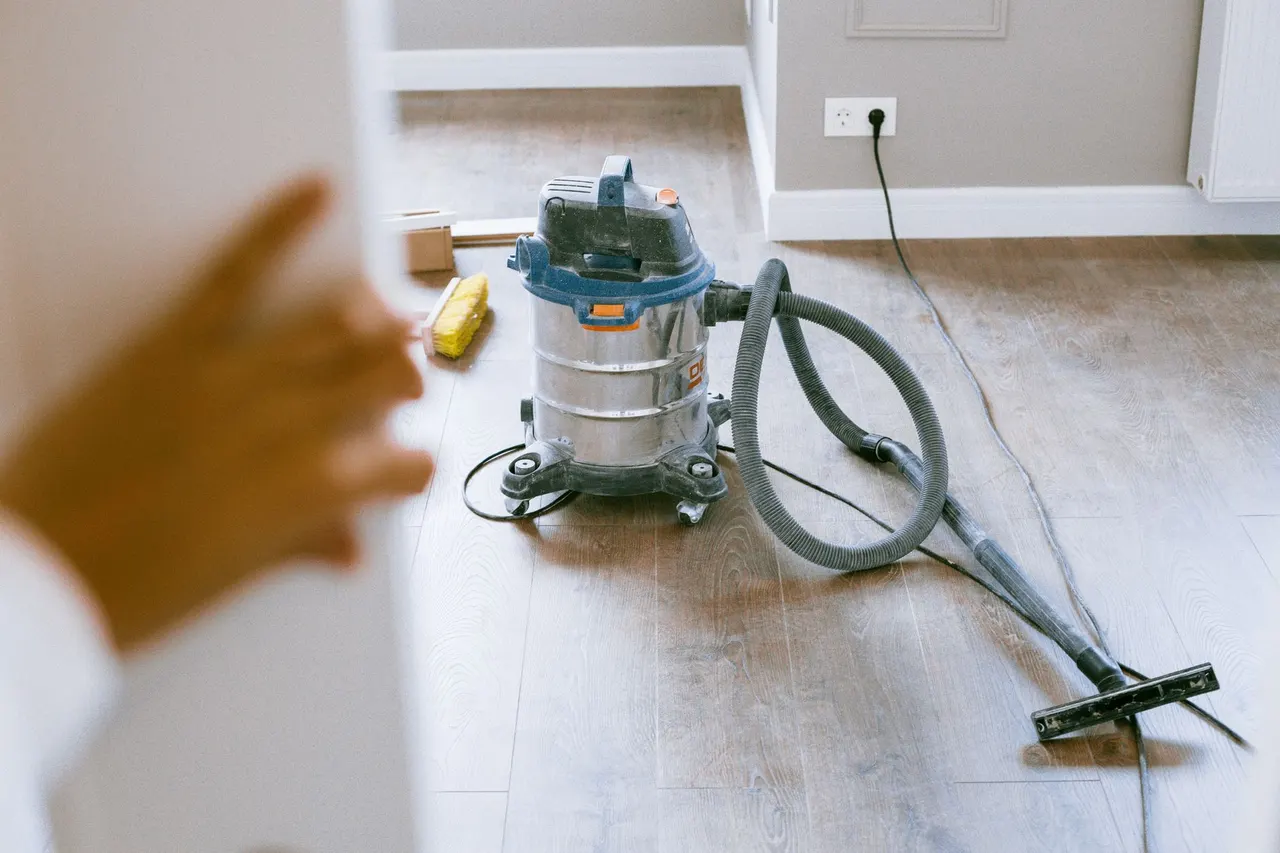
Ring 01422747049 or email info@moderntouchsprayfoam.com and we will get back to you the same working day. We are on the phone from 8am to 6pm Monday to Friday, and the 24/7 line is always open for emergency call-outs across Halifax. Tell us what you have seen and we will tell you what it needs.