Focused arrival windows
Useful updates and clear arrival timing.
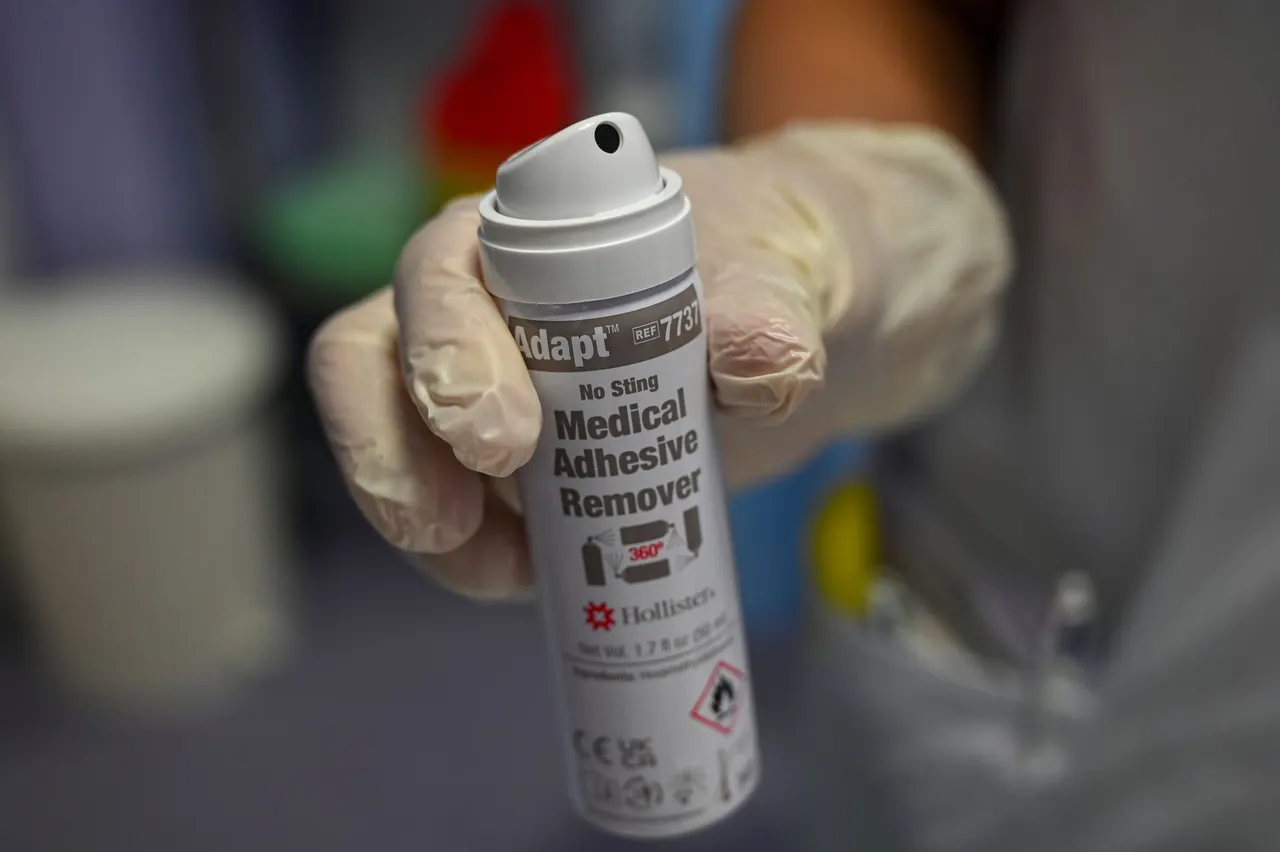
Our Insulation Removal Service in Halifax, West Yorkshire takes out failed spray foam, open cell and closed cell, from lofts, rafters and cavity walls. We work on stone terraces in Siddal, 1930s semis in Skircoat Green and commercial units near Brighouse. If a mortgage lender has flagged spray foam, or damp is tracking through your roof timbers, we strip it back, treat the wood and leave the roof space ready for a proper breathable insulation system.
Useful updates and clear arrival timing.
Review the approach and price before deciding.
Equipped vehicles and respectful cleanup.
Neighbors serving neighbors with follow-through.
Every Halifax job is priced as a complete package, not a list of extras. Extraction, containment, timber treatment, disposal and the final written report are all included. The only things quoted separately are new insulation going back in and any structural joinery that rot has made necessary.
We remove open cell, closed cell and polyurethane foam from rafters, joists, roof decks and cavity walls. Cutting, thermal softening and dry ice blasting are all included, along with the labour to clear a standard Halifax loft in one to two days.
Doorways, stairs and loft hatches are sealed before we start. An air scrubber runs throughout extraction and until dust readings settle, so foam particles do not migrate into your living space. This is standard on every job, not an optional extra.
Every exposed rafter and purlin is checked for rot, mould and insect damage. We treat affected timber with a preservative and note anything structural in the report. If a rafter needs replacing, we tell you before we finish, not after.
Spray foam cannot go in a household skip. We bag and remove all foam waste through licensed transfer routes and give you the paperwork. That documentation matters if a lender or building control later asks where the material went.
You receive a dated report with before-and-after photographs, a timber condition summary and disposal notes. Halifax valuers and mortgage lenders accept this pack regularly, and it is written in plain English rather than trade jargon.
Before we leave, we confirm eaves vents are clear and airflow across the loft is restored. We take a humidity reading and explain what to watch for over the next few weeks. If readings are still high, we tell you why and what to do next.
Share what is happening and receive a clear next step from the local team.
Insulation Removal Service in Halifax, West Yorkshire is the controlled extraction of spray foam insulation from roofs, lofts, cavity walls and floors, followed by cleaning, timber treatment and disposal. We cut the foam back with a spray foam cutting saw and oscillating multi-tool, break the bond with dry ice blasting or abrasive media, then vacuum every surface with an industrial vacuum and air scrubber. Open cell spray foam, closed cell spray foam and polyurethane foam all come out, along with any foam board that has trapped moisture against the rafters. The roof space is then inspected, treated and left ready for a breathable system such as mineral wool or a PAS 2035-compliant retrofit.
Halifax properties get hit harder than most. Driving rain off the Pennines, cold north-facing slate roofs and solid stone walls mean any spray foam that seals the timbers stops them drying out. We see roof timber rot, damp and condensation, cavity wall damp and spray foam overspray blocking eaves vents in streets from Pellon to Northowram. If you have typed Insulation Removal Service Halifax near me because a surveyor flagged it, we can usually assess the loft within 24 to 48 hours and give you a fixed price before we start cutting.
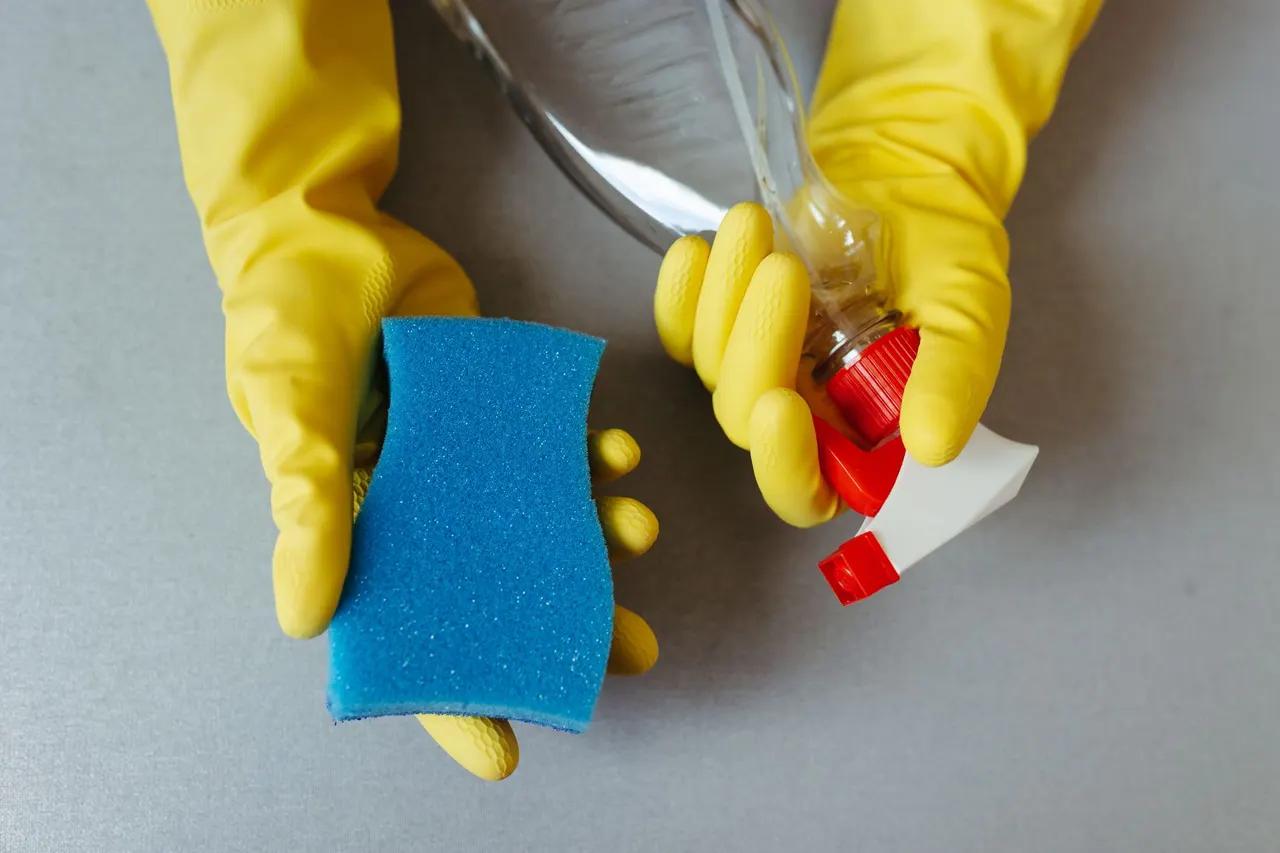
We visit your Halifax property, inspect the loft or cavity, and test foam depth and adhesion with a probe. You get a fixed price the same day, plus a short report noting timber condition, ventilation and any areas a lender will want photographed. Surveys usually take 45 to 60 minutes.
On day one we seal doorways and loft hatches with polythene, lay protective sheeting on carpets and stairs, and set up an air scrubber to catch airborne dust. Our technicians wear full PPE respirators. This stage takes one to two hours on a typical Halifax terrace.
We cut the foam into manageable sections with a spray foam cutting saw and oscillating multi-tool, then break the bond using dry ice blasting or abrasive media where the foam has gripped the timber. A two-person crew clears a standard 30 square metre loft in one to two days.
Once the foam is out, we inspect every rafter, treat any rot or mould, and vacuum the whole space with an industrial vacuum. The air scrubber runs until readings settle. You get photos of the clean timbers before we close up.
We issue a written extraction report with before-and-after images, disposal records and a summary you can send to your lender or surveyor. We walk you through the loft, explain what insulation can go back in, and leave the space swept and ready.
Fires frozen CO2 pellets at the foam to freeze and crack the bond. It lifts foam off delicate rafters without abrasive damage, and leaves far less secondary residue than sand blasting.
Cuts large foam sections into manageable blocks before extraction. It keeps cuts straight and controlled, which matters when foam is bonded tight to roof battens and felt.
Gets into corners, around pipes and along eaves where a saw will not fit. We use it to trim overspray away from vents and to free foam from awkward rafter junctions.
Removes foam dust, debris and loose particles from every surface after extraction. Fine foam dust is a respiratory irritant, so this stage is not optional on any Halifax job.
Runs throughout extraction to filter airborne particles and keep dust out of your living space. We keep it running until readings settle, usually for the full duration of the job.
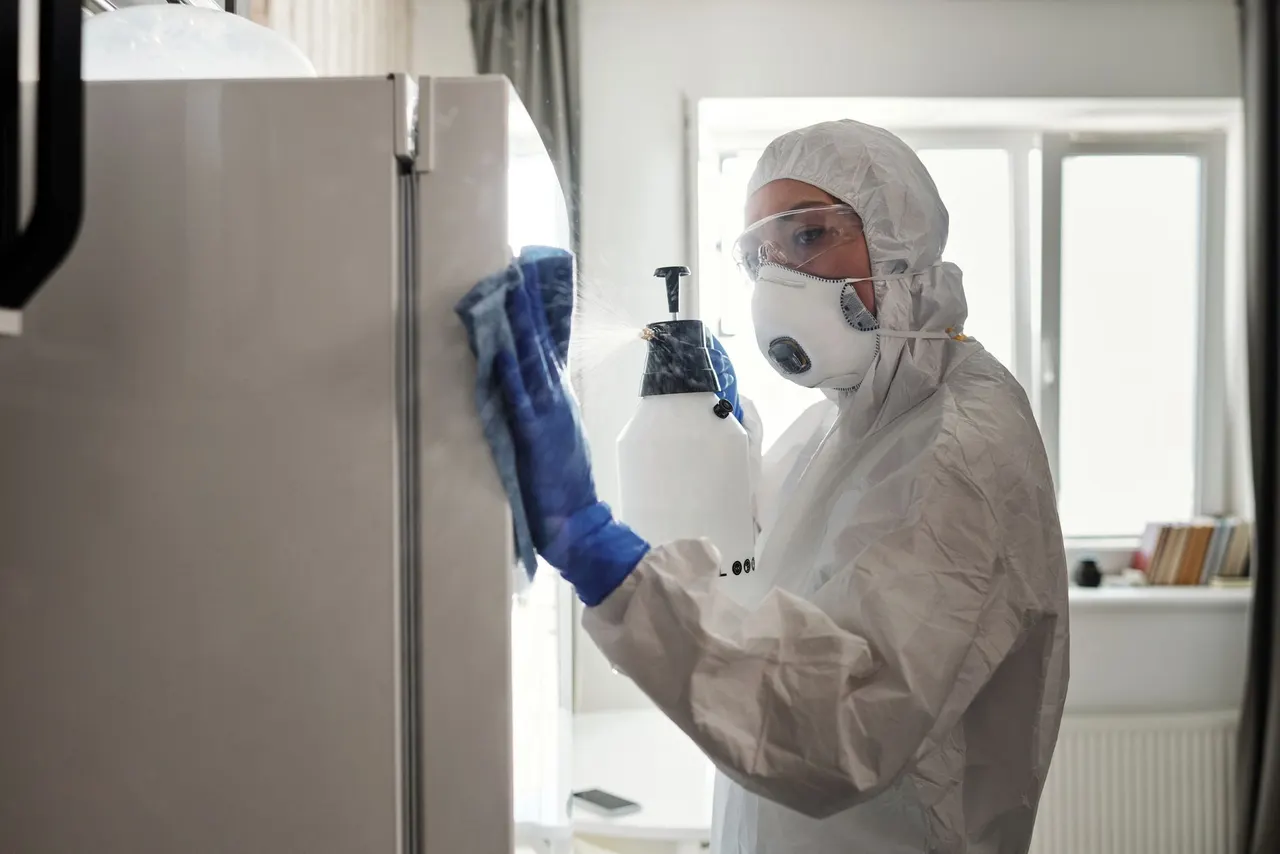
Every technician wears a full respirator, coveralls and eye protection. Spray foam dust and isocyanate residue are not something to breathe in, and we treat containment as standard practice.
Frozen CO2 pellets are fired at the foam surface, causing it to freeze, embrittle and release from the timber. It is our preferred method for heritage rafters and older Halifax stone properties because it does not abrade the wood surface.
For stubborn closed cell foam on brick or blockwork, we use controlled abrasive media to strip residue back to a clean surface. Full containment and air scrubbing run throughout to protect the rest of the property.
Heated blades and thermal removal tools soften hardened foam before cutting, reducing dust and protecting timber faces. It suits Halifax lofts where foam has gone brittle after years under a hot slate roof.
We follow PAS 2035 principles when advising on what insulation goes back in after extraction. That means ventilation, moisture control and timber condition are all considered before any new material is specified.

We survey within 48 hours, quote a fixed price, and schedule extraction around the sale timetable. The job includes a written report and dated photographs suitable for the lender's file. The lender receives documented evidence the timbers are clean and dry, and the sale typically proceeds within two to three weeks.
We carry out an insulation assessment on each loft, testing foam type, adhesion and timber moisture. Only the lofts that fail the assessment go forward for full extraction. The landlord avoids unnecessary work on one property and gets the other two cleared, treated and documented for future surveys.
We extract the foam sealing the eaves, clear the blocked vents and run an air scrubber throughout. Timber is inspected and treated where needed. Humidity readings fall below 60 percent within two weeks, and the ceiling stops dripping through the following winter.
We use extended containment, mobile air scrubbers and scissor-lift access, working night shifts so the operation keeps running during the day. The roof deck is cleared, the fixings inspected and the warehouse returns to normal trading with no lost shifts.
Halifax sits in a wet, exposed part of West Yorkshire, and that shapes almost every job we do. Driving rain off the Pennines hits north-facing slate roofs hard, and solid stone walls in terraces from Siddal to Northowram hold moisture for weeks. When spray foam seals the rafters, that moisture has nowhere to go, so timber rot and condensation follow. We see it constantly in pre-1919 stone terraces and in 1930s semis where an installer sprayed foam directly onto the roof deck. Cavity wall damp is another regular call-out, especially where foam was injected into a wall that was already wet. Our Insulation extraction service Halifax West Yorkshire work is built around local building stock: careful cutting around slate and stone, timber treatment matched to the rot we find, and ventilation restored so the roof can dry. If you need Insulation Removal Service Halifax West Yorkshire cost guidance, we quote after a survey rather than over the phone, because foam depth and access vary so much street to street.
Dense stone terraces with shallow lofts and limited hatch access. We often work from the eaves side and use smaller cutting tools to avoid damaging original rafters.
Larger Victorian and 1930s homes with deeper roof voids. Foam here is often closed cell and bonded hard, so dry ice blasting is usually the better method.
Many rental terraces with foam installed decades ago. Landlords frequently need documentation for future surveys, so we photograph every rafter before closing up.
A mix of residential streets and commercial units. Warehouse roofs here often need extended containment and night-shift working to avoid disrupting trading.
Older properties near the river with a history of damp. We check wall and roof moisture together before deciding how much foam needs to come out.
Roof timbers stay wet for longer, so any foam sealing them accelerates rot. We treat timber condition as a priority on north-facing Halifax roofs, not an afterthought.
Stone walls dry slowly and hold moisture. Foam on the inner face traps that moisture against timber, so extraction usually needs to be followed by a breathable insulation approach.
Temperature swings drive condensation onto cold rafters. Once foam is out, restored ventilation lets that moisture escape instead of pooling on the timber.
Slate and stone coverings are fragile, so we avoid heavy tools near the deck. Thermal and dry ice methods protect the roof covering while still freeing the foam.
A 1930s semi with closed cell foam sprayed across every rafter. The buyer's lender refused to lend, and a surveyor noted early rot on two purlins. The loft had no ventilation and humidity sat around 78 percent.
Foam extracted over two days using dry ice blasting, rot treated on both purlins, and all eaves vents cleared. Humidity dropped to 58 percent within ten days, and the lender accepted the written report the following week.
Maintenance: Keep eaves vents clear and check the loft once a year for any sign of damp. If you refit insulation, use a breathable system that lets the roof dry.
A two-bedroom stone terrace with open cell foam on the roof deck and overspray blocking the eaves. Condensation dripped onto a bedroom ceiling each winter, and the landlord had no paperwork from the original installation.
Foam removed in a single day, overspray cut back with an oscillating multi-tool, and the whole loft vacuumed clean. Humidity fell below 60 percent, and the landlord received a full photographic report for future surveys.
Maintenance: Recheck ventilation each autumn before the wet season. If the ceiling shows any new staining, book an assessment rather than waiting for the next winter.
A storage unit with spray foam failing at the roof fixings and falling onto racking. Trading hours made daytime work impractical, and the foam was hiding corroded fixings underneath.
Night-shift extraction over three nights using extended containment and mobile air scrubbers. Fixings were inspected and replaced where needed, and the warehouse opened as normal each morning with no lost shifts.
Maintenance: Have the roof fixings checked every two years and keep the deck clear of stored items so airflow is not restricted.
Most Halifax customers call us because something has gone wrong, not because they fancied a project. Here are the four problems we deal with most often, and what happens if they are left alone.
The sale stalls, the chain collapses and you may lose your buyer. Lenders treat spray foam on rafters as a material defect because it hides timber condition and traps moisture. We extract the foam, inspect and photograph every rafter, treat any rot and issue a written report your valuer can file. Most Halifax sales unblock within two to three weeks of extraction.
Water drips onto ceilings, insulation sags and mould spreads across cold corners. Over several winters, joist ends and plasterboard start to fail. We remove the foam that is sealing the roof, clear blocked eaves vents and restore airflow. Humidity in most Halifax lofts drops below 60 percent within a fortnight of extraction.
Wet rot weakens structural timber. Left unchecked it can reach purlins and ridge beams, turning a 1,500 pound extraction into a 6,000 pound structural repair. We strip the foam, expose the timber, treat affected sections with preservative and flag anything structural in the report. Catching rot early is the single biggest saving on these jobs.
Air cannot move through the roof space, so condensation builds up year after year. Foam also falls into rooms when it loses adhesion, damaging ceilings and carpets. We cut back overspray with an oscillating multi-tool, clear every vent and vacuum the loft clean. We then confirm airflow is restored before we hand the space back to you.
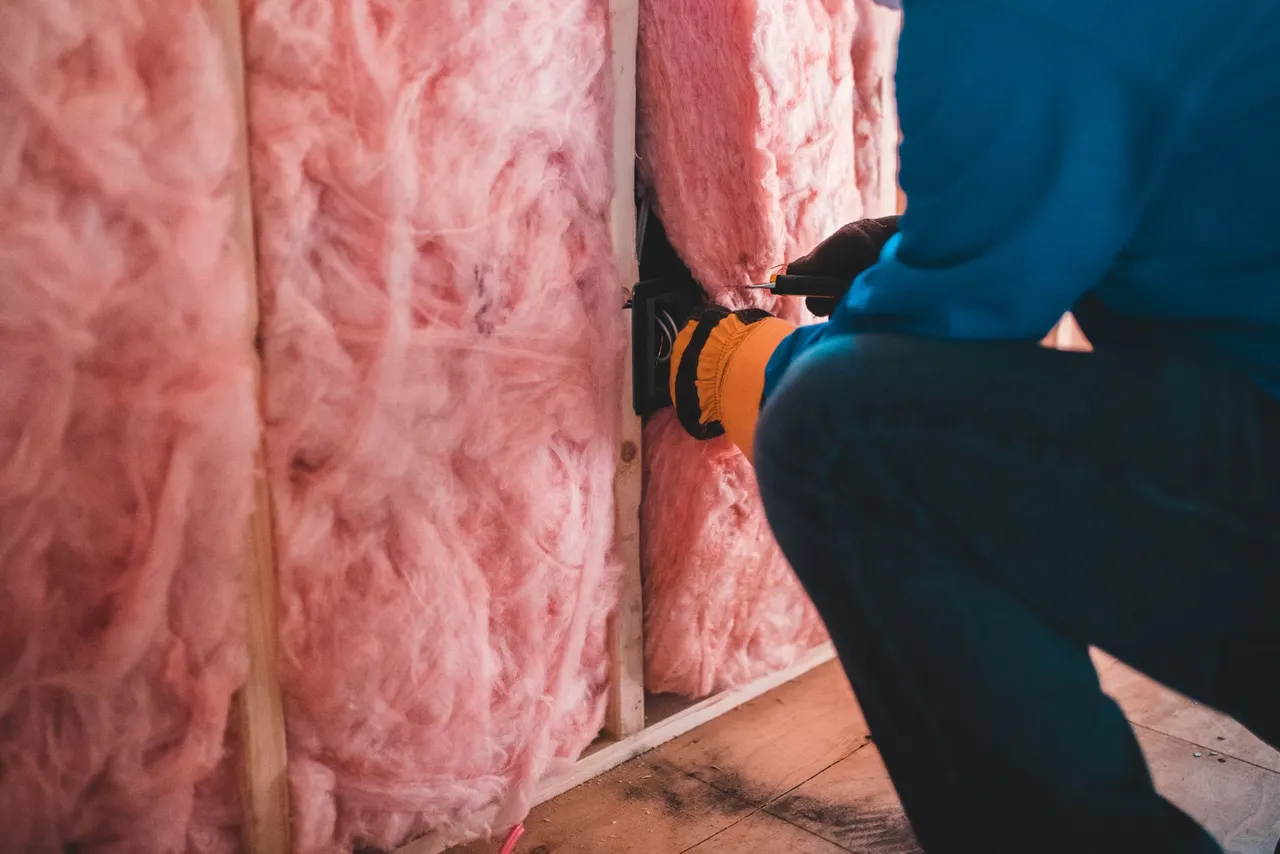
Modern Touch Spray Foam has been trading since 2022, and in that time we have built our work around one problem: spray foam that should never have gone into a Halifax roof. Our technicians train on thermal removal tools, dry ice blasting rigs and industrial vacuums, and we follow PAS 2035 principles on every retrofit we touch. We hold CHAS and Constructionline accreditation and work to British Board of Agrément guidance on foam performance. That means we know which foams can stay and which have to come out, and we can back that judgement up in writing for lenders, valuers and building control.
Most Halifax loft extractions cost between 900 and 2,400 pounds in 2026, with cavity wall work priced separately from around 1,200 pounds. Price depends on foam type, loft size, access and how much timber treatment is needed. We give a fixed quote after a free survey, so you know the total before any cutting starts.
The best firm is the one that treats timbers, documents the job and prices it upfront. We have traded since 2022, hold CHAS and Constructionline accreditation, and work to PAS 2035 principles. Ask any contractor for before-and-after photos of Halifax lofts they have stripped, plus a written report your lender will accept.
Yes. We cover Halifax, West Yorkshire and the surrounding towns including Brighouse, Elland, Hebden Bridge and Todmorden. Standard bookings are within three to five working days, and same day insulation extraction service Halifax is available where access and crew allow. Call 01422747049 to check today's availability.
You need it if a lender has flagged spray foam, if timbers feel damp or show rot, or if condensation keeps returning each winter. Foam that seals rafters stops the roof drying out, and Halifax's driving rain makes that worse. A 45-minute survey will tell you whether extraction is necessary or whether the foam can stay.
Not seeing your question? Our local team can help you understand urgency, scheduling and what to expect.
Ask the local team
Our core spray foam removal work is the same crew and equipment used on every Insulation Removal Service in Halifax, West Yorkshire. If you need foam stripped from rafters, purlins or loft floors, this is the service to book first.
View service
When a Halifax sale is stalled or foam is falling into a room, we can often survey and start the same day. Same day spray foam removal uses the same extraction and containment setup as our standard insulation removal service, just compressed into a tighter schedule.
View service
Storm damage, water ingress or foam collapse does not wait for office hours. Our 24/7 spray foam removal line covers Halifax and West Yorkshire for emergency call-outs, and we can make the property safe before full insulation extraction begins the next working day.
View serviceMost of our Halifax work is residential: stone terraces, 1930s semis and post-war estates from Pellon to Northowram. Residential spray foam removal follows the same process as our insulation removal service, scaled for a single loft or a full roof.
View service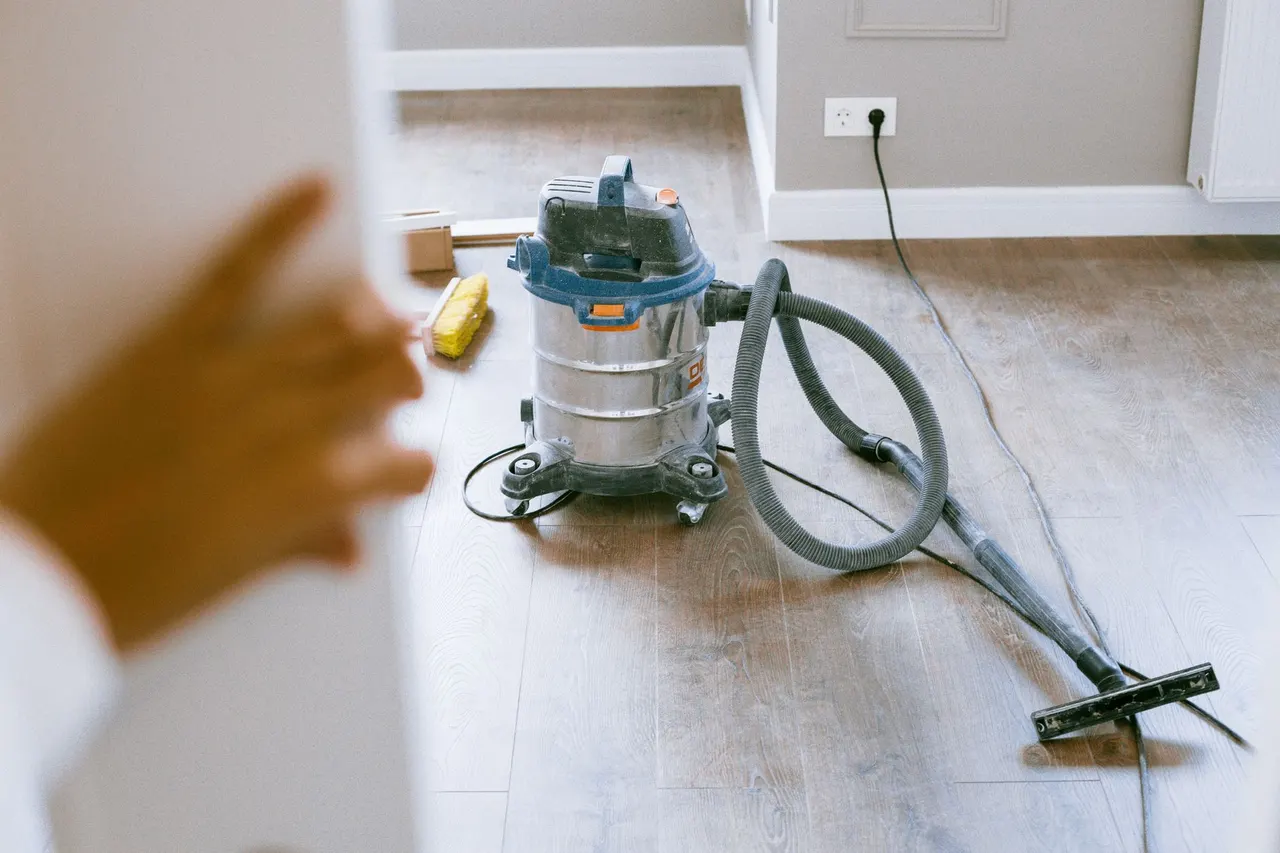
Ring 01422747049 or email info@moderntouchsprayfoam.com and we will get back to you the same working day. We are on the phone from 8am to 6pm Monday to Friday, and the 24/7 line is always open for emergency call-outs across Halifax. Tell us what you have seen and we will tell you what it needs.