Focused arrival windows
Useful updates and clear arrival timing.
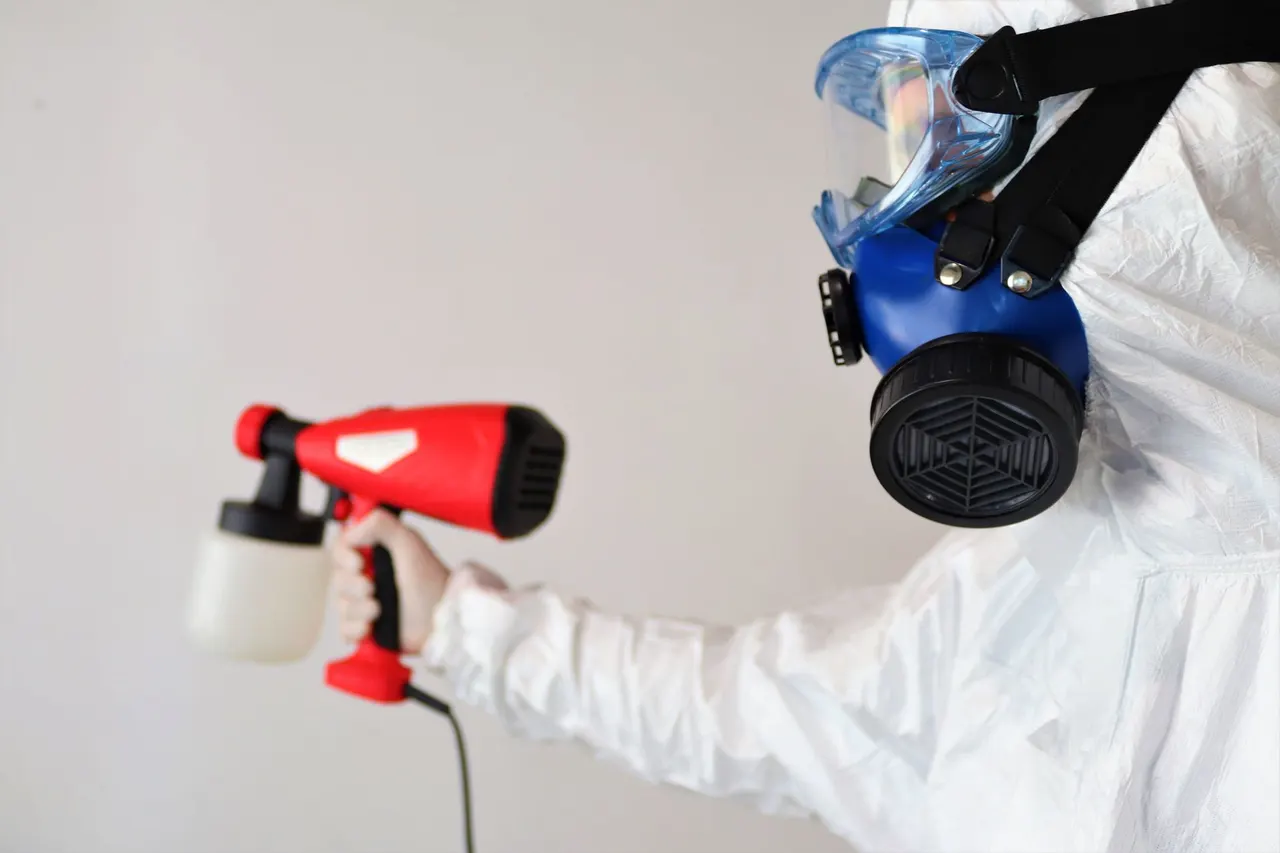
Spray Foam Insulation Removal in Halifax, West Yorkshire clears failed or non-compliant foam from lofts, rafters and cavity walls so your property can be surveyed, sold or re-insulated correctly. We handle Icynene, Lapolla and Demilec foams, cut back to clean timber and brick, then dispose of everything under duty of care. If a lender has flagged spray foam, or you have damp and condensation in a Halifax stone terrace, call 01422747049 and we will assess it this week.
Useful updates and clear arrival timing.
Review the approach and price before deciding.
Equipped vehicles and respectful cleanup.
Neighbors serving neighbors with follow-through.
Every Halifax removal is priced as a complete job, not a list of extras. The inclusions below are standard on all our residential and commercial work. If we find rot, cavity bridging or damaged felt once the foam is off, we quote that separately and you decide whether to go ahead.
We attend, measure the foam coverage and identify whether it is open cell or closed cell. You get a fixed written price the same day, plus a note on anything your surveyor or lender will want to see.
Loft hatch sealed, landing sheeted and air scrubbers running before cutting starts. Our technicians wear full PPE respirators. This is what keeps foam dust out of your living space.
Foam is cut with a spray foam cutting saw and oscillating multi-tool, lifted with thermal removal tools where needed, and vacuumed out with an industrial vacuum. Rafters are left clean and ready for inspection.
Every exposed rafter is checked for rot and treated where necessary. We clear cavity wall insulation where foam has bridged the gap, and confirm the eaves ventilation path is open again.
All removed foam is bagged, labelled and taken to a licensed waste site under duty of care. You get the paperwork, and where possible we separate materials for recycling rather than landfill.
You receive photographs of the exposed structure and a short written summary of what we found and removed. This is the documentation Halifax lenders and valuers ask for most often.
Share what is happening and receive a clear next step from the local team.
Spray Foam Insulation Removal in Halifax, West Yorkshire is the controlled cutting, extraction and disposal of polyurethane foam from roof voids, rafters, loft floors and cavity walls. Foam is removed with a spray foam cutting saw, oscillating multi-tool and thermal removal tools, then bagged and vacuumed out with an industrial vacuum and air scrubber running throughout. We work to PAS 2035 principles so the roof can breathe again and any replacement insulation is specified correctly.
Most Halifax jobs we attend are not about the foam being cold, they are about it being wrong. Closed cell spray foam traps moisture against roof timbers, and in a wet Pennine climate that shows up as roof timber rot, cavity wall damp and failed mortgage valuations. If you have been refused a mortgage, or you are searching for Insulation foam removal Halifax West Yorkshire because a surveyor flagged overspray, we can strip it back, document the condition of the timbers and get the roof back to a mortgageable state.

We attend, measure the foam coverage, check the timbers and confirm whether it is open cell or closed cell. You get a fixed written price the same day, plus a note on anything the surveyor will want to see. Most Halifax surveys take 30 to 45 minutes.
Before cutting starts we seal the loft hatch, lay protective sheeting and set up an air scrubber with HEPA filtration. Our technicians wear full PPE respirators. This keeps foam dust out of your living space, which matters most in open-plan conversions and bungalows.
We cut the foam into manageable sections with a spray foam cutting saw and oscillating multi-tool, then lift it with thermal removal tools where it has bonded hard to the rafters. An industrial vacuum runs continuously. A typical three-bedroom Halifax loft takes one to two days.
Residue is removed with dry ice blasting or abrasive media where the foam has soaked into the grain. We inspect every rafter for rot, treat what we find, and clear cavity wall insulation where foam has bridged the cavity. This is the stage that decides whether the roof passes a lender's inspection.
All foam is bagged, labelled and removed under duty of care to a licensed waste site. We sweep the loft, replace the hatch seal and walk you through what we found. You get photographs of the exposed structure and a short written summary for your records.
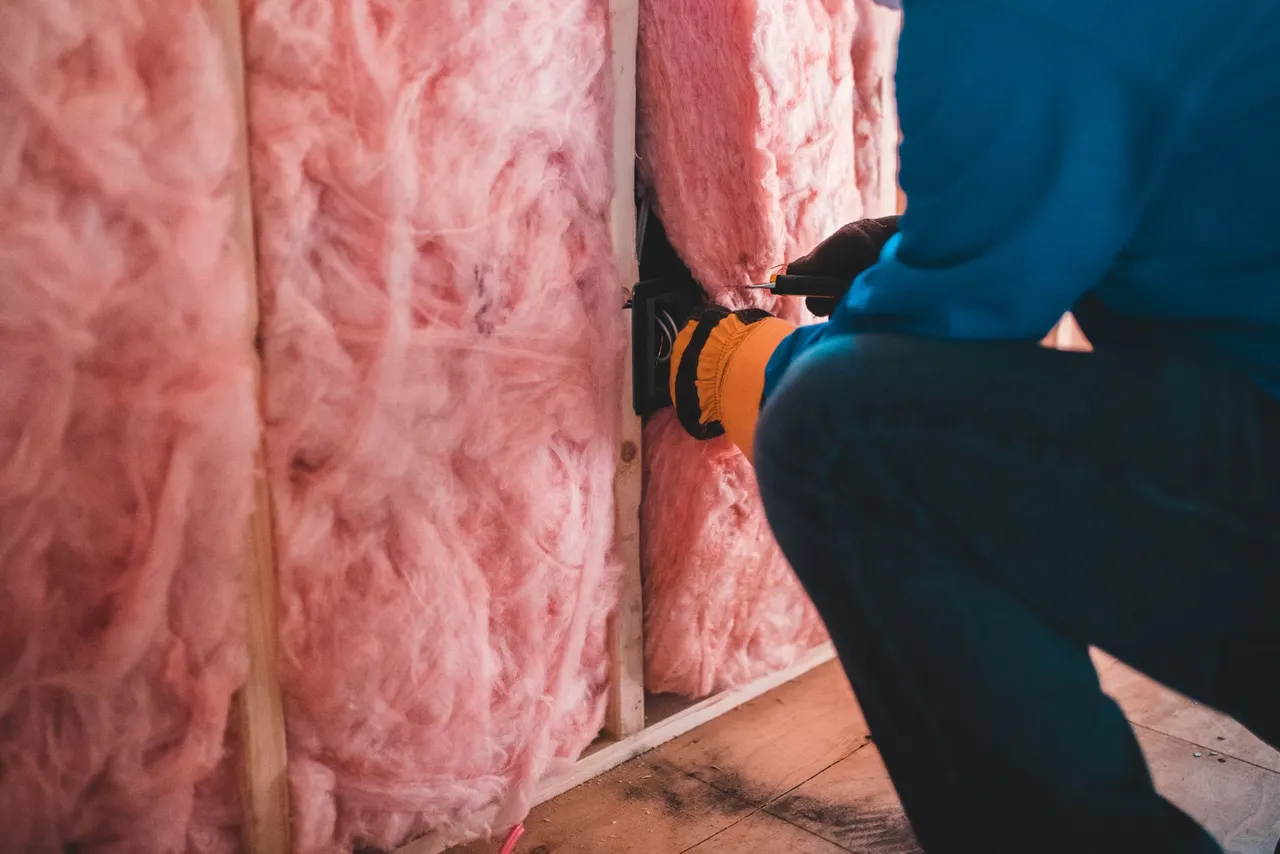
Cuts closed cell foam into manageable sections without tearing the timber underneath. The go-to tool for thick foam bonded hard to rafters.
Gets into corners, around trusses and along rafter edges where a saw will not reach. Keeps cuts tight so we remove foam, not wood.
Soften hard foam so it lifts away cleanly from older, dry rafters. Used where the timber is fragile and mechanical cutting risks damage.
Runs continuously during cutting to capture foam dust at source. HEPA filtration keeps the rest of the house clean.
Lifts foam residue from timber grain without abrasive damage or wet residue. Ideal where a clean finish matters for inspection.
Clears stubborn residue from brick, stone and blockwork. Dust is controlled with sheeting and scrubbers throughout.
Protects our technicians and your home. Hatch seals, sheeting and respirators are standard on every job.
We work to PAS 2035 so removal and any replacement insulation is specified correctly for the property. That means assessing ventilation, moisture and the build type before recommending what goes back in.
Used where foam has soaked into timber grain. Dry ice lifts the residue without abrasive damage and leaves no wet residue behind, so the timber is ready for inspection straight away.
For brick, stone and blockwork where foam residue is stubborn. We control the dust with sheeting and air scrubbers, and finish with a clean surface ready for re-insulation.
Hard closed cell foam is warmed so it releases from the rafter without splitting the wood. This is our preferred method on older Halifax roofs where the timber is already dry.
We follow BBA guidance on foam systems and their removal, which is what lenders and surveyors expect to see referenced in a method statement.
We survey within 48 hours, remove the foam, photograph the exposed rafters and supply a written summary for the valuer. We work around your completion date where possible. The lender signs off, the sale completes, and you have documentation showing the roof was professionally cleared.
We cut the foam back, find the source of the moisture, treat any rot and restore the eaves ventilation. Containment keeps dust out of the occupied rooms below. The ceiling dries out, the damp stops spreading and the loft void is left clean and vented.
We mobilise a larger crew, work in phases and run out-of-hours where needed so loading bays stay clear. Foam is bagged and removed under duty of care. The roof void is stripped, the site keeps trading, and you get a photographic record of the exposed structure.
We survey the roof, identify the foam type and check ventilation and timber condition. If the foam is sound and the roof is vented, we tell you plainly to leave it alone. You get an honest answer, no unnecessary work, and a clear plan if any remediation is needed later.
Halifax sits in a wet, exposed part of West Yorkshire, and that shapes almost every spray foam job we attend. Stone-built terraces and semis across Pellon, Ovenden and Sowerby Bridge were never designed to have their roof voids sealed. When closed cell foam is sprayed onto the underside of slates or felt, moisture from the Pennine weather has nowhere to go. It condenses on the timbers, and within a few years you have roof timber rot, damp patches on bedroom ceilings and a mortgage lender refusing to lend. We remove the foam, restore the eaves and ridge ventilation and check the felt and soffit vents are clear. If you are searching for Insulation foam removal Halifax West Yorkshire because a surveyor has flagged the roof, we can usually survey within 48 hours and supply the documentation your lender needs. Cavity wall foam is the other common Halifax problem, particularly in older stone properties where the cavity is narrow and the foam bridges the gap.
Dense rows of stone terraces with narrow cavities. Foam bridging is common here, and cavity wall damp shows up fast on the inner leaf.
Older stone properties close to the river, where damp and condensation problems are more frequent and roof ventilation matters more.
Larger Victorian and Edwardian homes with generous loft voids. Closed cell foam on rafters is the usual reason lenders flag these properties.
Post-war semis and bungalows with shallower roof pitches. Access is easier, but foam overspray onto felt is a common issue.
A mix of residential and commercial units. Warehouse roofs with thick foam need a larger crew and phased working.
Drives moisture into roof voids and makes trapped damp worse. Ventilation is more critical here than in sheltered parts of the country.
Foam bridges the cavity easily, letting damp cross to the inner wall. Removal needs care to clear the cavity without damaging the stone.
Mechanical cutting risks cracking slates. We work from inside the loft where possible and use thermal tools on dry timber.
Valuers in Calderdale routinely refuse loans on foam-filled roofs. Our documentation is written to answer their specific concerns.
A 1900s semi with closed cell foam sprayed across every rafter. The buyer's lender refused to lend and the sale had already fallen through once. Foam was 60mm thick in places and bonded hard to dry timber.
Two days of cutting and extraction left the rafters clean and photographed. The valuer signed off within a week and the sale completed. Ventilation gaps at the eaves were restored to 50mm clear.
Maintenance: Keep the loft hatch sealed and check the eaves vents each autumn. If you re-insulate, use loft insulation or foam board that leaves the ventilation path open.
A stone terrace with foam in the loft and a damp patch spreading across a back bedroom ceiling. Humidity in the void was high, one rafter had rot about a metre along its length, and the eaves vents were completely blocked.
Foam removed, rot treated and vents cleared. Humidity dropped within days and the ceiling dried out over three weeks. The landlord re-insulated the loft floor correctly and the damp has not returned.
Maintenance: Check the ceiling after heavy rain for the first winter. Keep the loft clear of stored items that block airflow at the eaves.
A commercial unit with thick foam across a large-span roof. The owner needed it removed for a lease condition but could not close the site. Foam was uneven, with heavy overspray onto steelwork and purlins.
A larger crew worked in phases over four days, including two evenings, so loading bays stayed open. All foam was bagged and removed under duty of care, and the owner received a full photographic record.
Maintenance: Book a roof void inspection every two years. Keep the ventilation path clear and address any new damp staining early.
Spray foam causes a specific set of problems in Halifax homes, and most of them get worse the longer the foam stays in place. Here are the ones we are called out for most often, and how we deal with them.
The sale stalls, your buyer walks and you are back to viewings with a property that is now harder to sell. Every month the foam stays on, the problem gets more expensive to fix. We remove the foam, expose and photograph the rafters, and supply a written method statement your valuer can work from. Most Halifax remortgage and sale cases we handle are cleared within two to three weeks of the removal date.
Moisture trapped by closed cell foam shows up as stained ceilings, musty smells and cold spots. Left alone, it soaks into plaster and timber and turns a cosmetic issue into a structural one. We cut the foam back, restore the eaves and ridge ventilation path, and check the felt and soffit vents. Once air moves through the void again, humidity drops quickly and the damp patches stop spreading.
Rot weakens the roof structure and can spread a metre or more along a rafter before you notice. Replacing rafters costs far more than removing the foam that caused the problem. We inspect every exposed rafter, treat what we find and cut out any timber that has gone too far. You get photographs of the condition and a clear note on what was treated and what was replaced.
Foam that bridges a cavity wall lets moisture cross from the outer leaf to the inner wall. That shows up as damp patches, blown plaster and cold internal walls that never dry out. We remove the cavity wall spray foam, clear the cavity and confirm the wall is ready for correct cavity wall insulation. The wall can then dry out and be re-insulated to a proper standard.
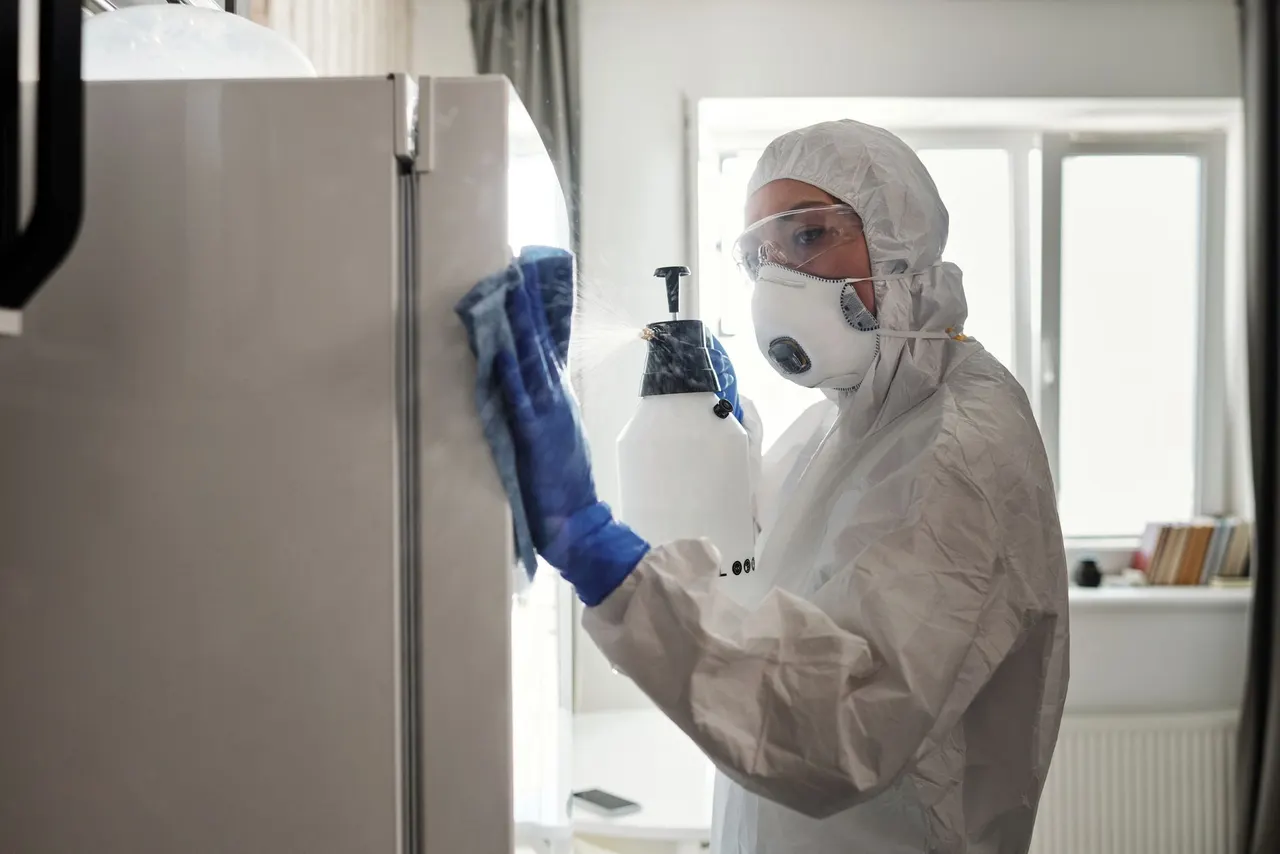
Modern Touch Spray Foam has been removing spray foam since 2022, working across Halifax, Calderdale and the wider West Yorkshire area. In that time we have stripped Icynene, Lapolla, Demilec, BASF and Huntsman foams from stone terraces, stone-built semis, 1930s bay-fronted houses and modern timber-frame builds. Our technicians hold NEBOSH and CHAS accreditation, and we work to PAS 2035 and British Board of Agrément guidance on every job. We are not a general builder who occasionally cuts foam out. Removal is what we do, and it shows in how clean the timbers are when we finish.
Most Halifax loft removals run £1,200 to £3,500 in 2026, depending on foam type, coverage and access. A single small loft with open cell foam sits at the lower end. Closed cell foam bonded hard to rafters, cavity wall foam or a roof with rot pushes the price up. You get a fixed written quote after a free survey, so there is no guesswork.
The right firm is the one that removes foam as its main trade, not as a side job. Look for CHAS accreditation, PAS 2035 awareness and experience with Icynene, Lapolla and Demilec systems. We have been removing spray foam across Halifax since 2022 and supply the written method statements lenders ask for. Ask any contractor for photographs of finished timbers before you book.
Yes. We cover Halifax, West Yorkshire and the surrounding Calderdale towns, including Sowerby Bridge, Brighouse, Elland, Hebden Bridge and Todmorden. Standard bookings are usually surveyed within 48 hours, and we run same-day and 24/7 call-outs for urgent cases. Call 01422747049 and we will confirm the earliest slot for your postcode.
You need it if a lender has refused a mortgage, if a surveyor has flagged the foam, or if you have damp, condensation or a musty smell in the loft. Closed cell foam on roof timbers traps moisture and can rot rafters within a few years. If the foam is open cell, correctly installed and the roof is vented, removal may not be necessary. A survey settles it.
Not seeing your question? Our local team can help you understand urgency, scheduling and what to expect.
Ask the local team
If you are searching for spray foam removal near me in Halifax, we cover every Calderdale postcode from HX1 to HX7. Same kit, same method, whether you are in Pellon or out at Rastrick.
View service
When a surveyor is booked or a sale is stalling, we can often attend the same day across Halifax. Same-day slots are limited, so call 01422747049 early and we will confirm by text.
View service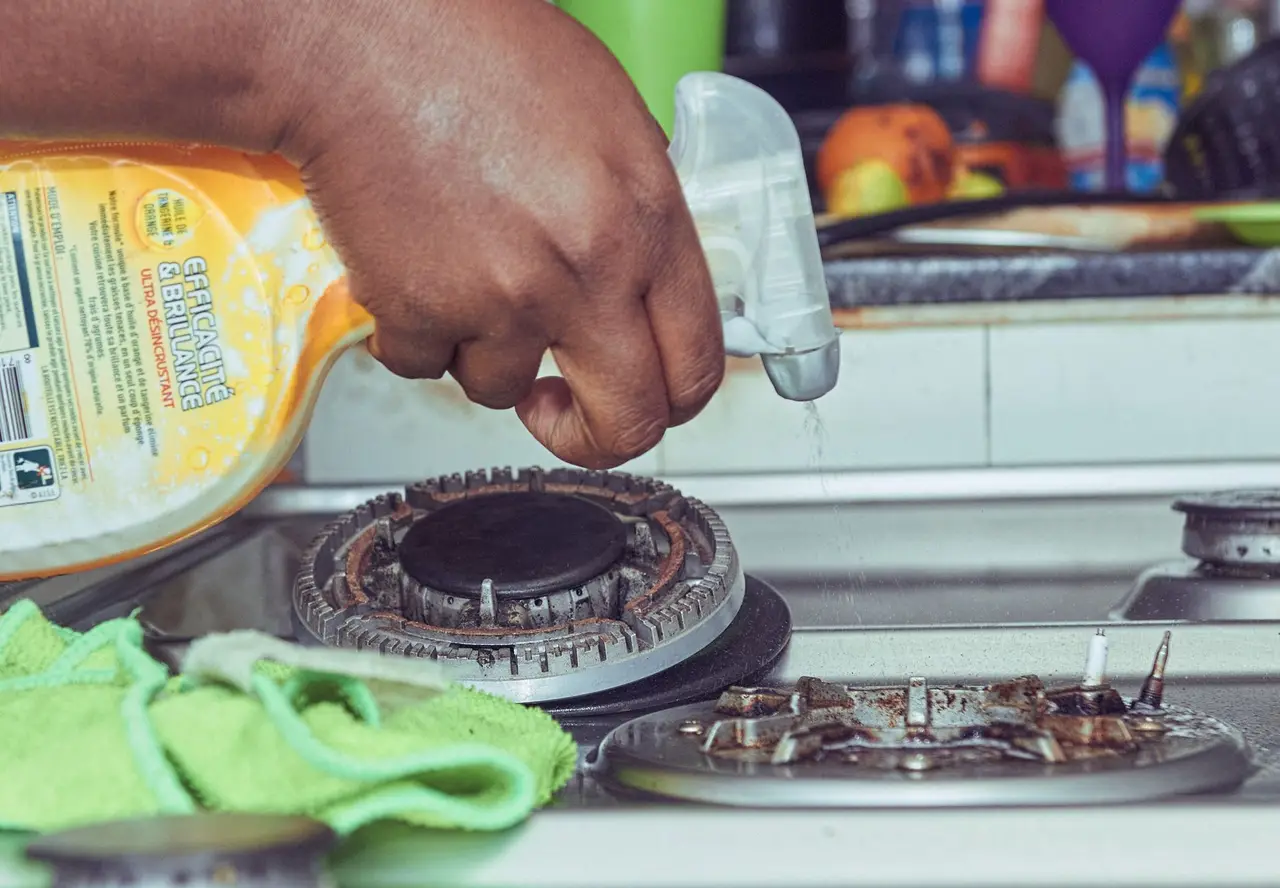
Active leaks tracking through foam into a ceiling do not wait for office hours. We run 24/7 call-outs across Halifax for urgent removals, with containment set up to stop water and dust spreading further.
View service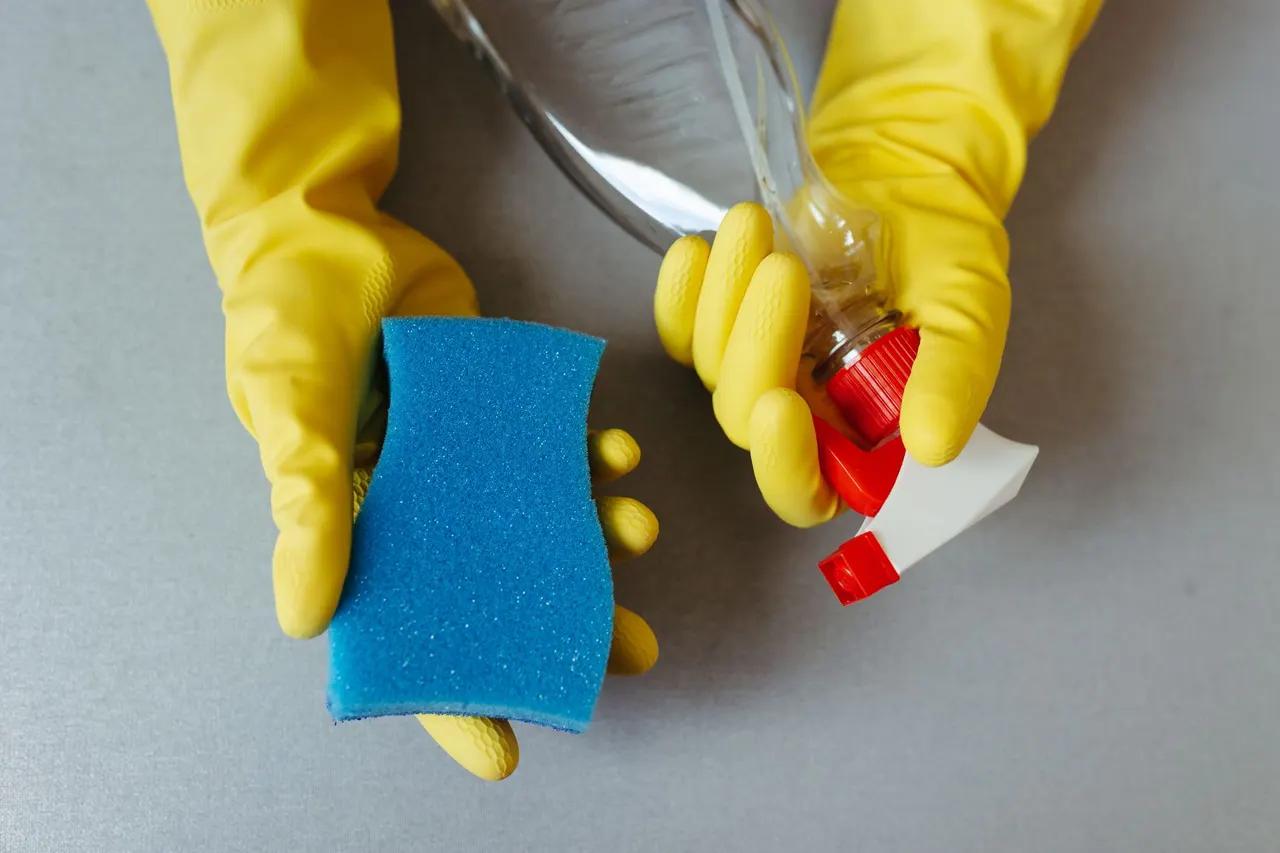
Most of our Halifax work is residential: stone terraces, semis and detached homes with foam in the loft or rafters. We work room by room, keep dust out of living space and hand the loft back clean.
View service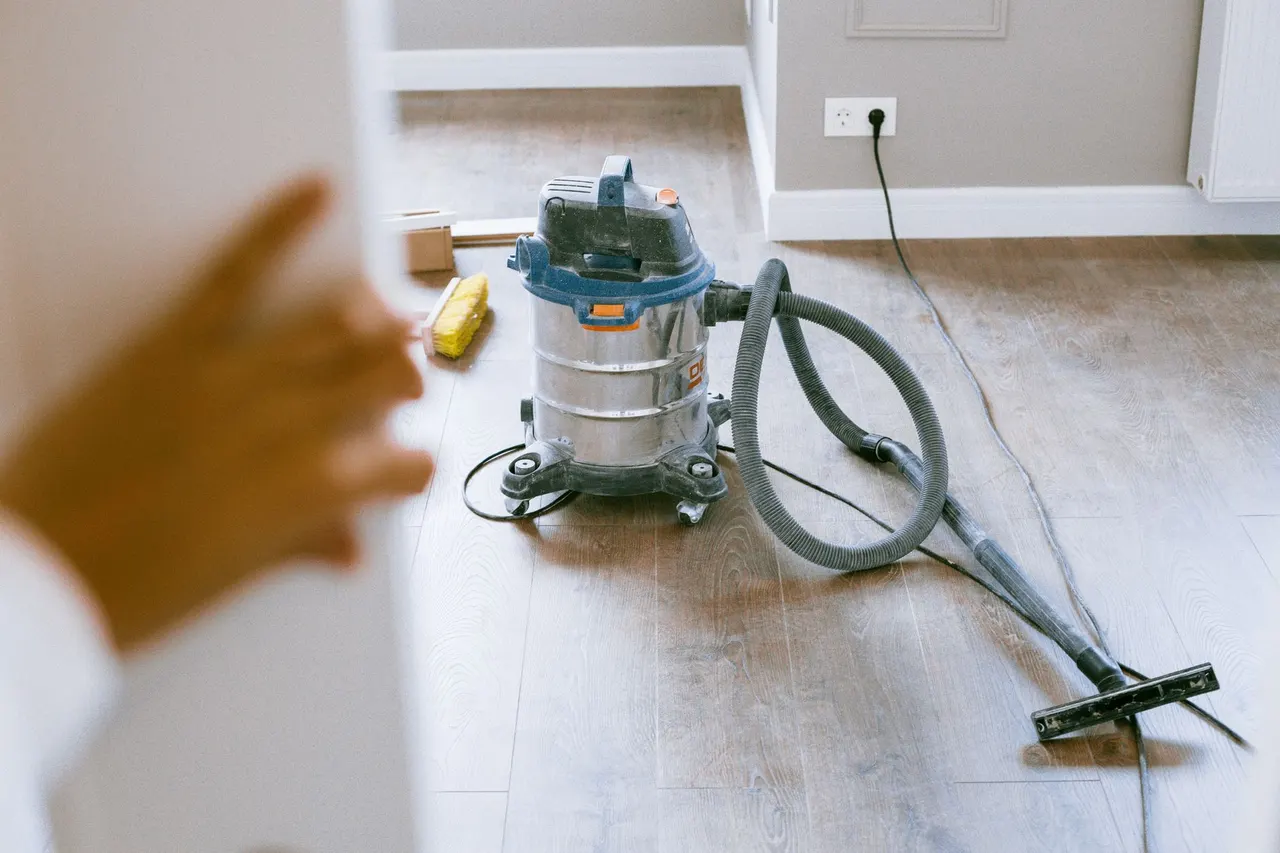
Ring 01422747049 or email info@moderntouchsprayfoam.com and we will get back to you the same working day. We are on the phone from 8am to 6pm Monday to Friday, and the 24/7 line is always open for emergency call-outs across Halifax. Tell us what you have seen and we will tell you what it needs.