Focused arrival windows
Useful updates and clear arrival timing.

Sand Blasting Spray Foam Insulation Removal in Halifax, West Yorkshire strips failed open cell and closed cell spray foam back to bare timber without wrecking the roof structure. We handle mortgage lender refusal cases, damp lofts and botched Icynene or Lapolla installs across Halifax and the surrounding valleys. Most lofts come out in one to two days, with the roof space vacuumed, scrubbed and ready for a PAS 2035 compliant insulation upgrade.
Useful updates and clear arrival timing.
Review the approach and price before deciding.
Equipped vehicles and respectful cleanup.
Neighbors serving neighbors with follow-through.
Every Halifax job includes the full strip, clean and handover pack. Replacement insulation and timber repairs are quoted separately if you need them, and we will tell you upfront before any work starts.
We check foam type, depth and coverage, inspect timbers for rot and look for overspray on cables, pipes and water tanks. You get a written summary and fixed price the same day.
Dust sheets, sealed hatch and negative air pressure with an air scrubber. This keeps foam dust out of your living space and is standard on every Halifax removal we run.
Bulk cutting with a spray foam cutting saw, then abrasive blasting or dry ice blasting to remove residue from rafters and sarking. We work to bare, clean timber.
After stripping we inspect every rafter and purlin for rot, treat early decay with preservative and photograph the timbers for your records and your lender.
All foam is bagged, removed the same day and disposed of correctly. You receive a waste transfer note and dated before-and-after photographs for your mortgage file.
We confirm eaves vents are clear and the roof can breathe again, then advise on compliant replacement insulation such as foam board or mineral wool at the correct depth.
Share what is happening and receive a clear next step from the local team.
Sand Blasting Spray Foam Insulation Removal in Halifax, West Yorkshire is the controlled abrasive stripping of cured polyurethane foam from roof timbers, rafters and cavity walls using sand blasting equipment, dry ice pellets and thermal removal tools. We break the bond between foam and timber, lift the bulk with a spray foam cutting saw, then blast the residue back to clean wood. An industrial vacuum and air scrubber run throughout so dust and foam particles never reach your living space.
Halifax has thousands of stone-built terraces and semis with slate roofs, and a lot of them were foam-sprayed in the 2000s and 2010s. That foam has now trapped condensation against rafters, rotted timbers and triggered mortgage lender refusal across HX1, HX2 and HX3. If you need Sand Blasting Spray Foam Insulation Removal Halifax near me and your surveyor has flagged the loft, we can assess and quote the same week.

We inspect the loft, check foam depth and type, and look for rot, damp or overspray on cables. You get a fixed written price the same day, usually within two hours of the visit. No hidden extras for access or waste.
We lay dust sheets, seal the hatch and set up negative air pressure with an air scrubber. Cables, pipes and water tanks get wrapped. This stage takes about 45 minutes and keeps the rest of the house completely clean.
Using a spray foam cutting saw and oscillating multi-tool, we slice the foam into manageable sections and bag it. This removes 70 to 80 percent of the volume before any blasting starts, which keeps dust down and speeds the job up.
We blast the remaining foam from rafters and sarking with sand blasting equipment and dry ice pellets. Pressure and media are adjusted per timber so we clean the wood without gouging it. A two-person team clears a typical Halifax loft in four to six hours.
Industrial vacuum and air scrubber run a final pass. We photograph every rafter, treat any rot, and walk you through the finished loft. Waste leaves in sealed bags the same day, with a waste transfer note for your records.

Controlled abrasive blasting to strip cured foam residue from rafters and sarking without gouging the timber. Pressure and media are adjusted per roof type.
Uses dry ice pellets to freeze and lift foam from delicate timbers and areas where grit residue would be a problem. Ideal for older Halifax slate roofs.
Slices bulk foam into manageable sections before blasting, removing 70 to 80 percent of volume and keeping dust levels down.
Precision trimming around cables, pipes, tanks and tight rafter bays where a saw or blaster cannot safely reach.
Run throughout the job to capture airborne particles and keep negative pressure in the loft. This is why your house stays clean.
Full-face respirators and controlled heat tools for technicians, used where foam must be softened before mechanical stripping.
We follow PAS 2035 principles for insulation removal and reinstatement, so the finished loft is documented and ready for compliant replacement insulation that satisfies lenders and EPC assessments.
Bulk foam is cut out first with a spray foam cutting saw, then the residue is blasted back to bare timber. This cuts dust, speeds the job and reduces the risk of damaging rafters.
Air scrubber and sealed hatch create negative pressure in the loft, so dust and foam particles travel out, not into your bedrooms and hallways.
After stripping we treat early rot, clear eaves vents and confirm the roof can breathe from soffit to ridge, which is the root fix for foam-related condensation.
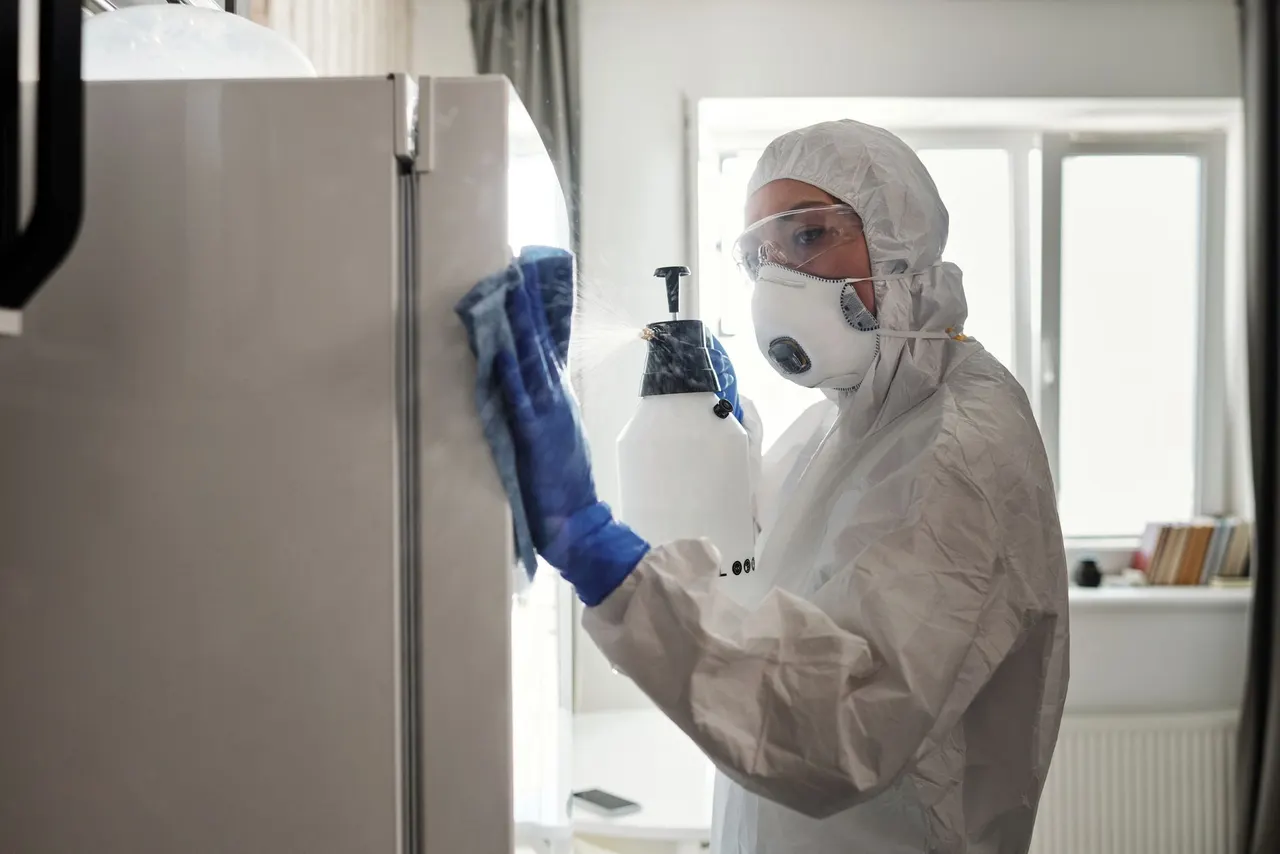
We survey within two working days, quote in writing and schedule the strip around your sale timeline. The full removal, clean and photographic pack is usually done in one to two days on site. Your buyer's lender gets the evidence it needs, and the sale proceeds without a price reduction for foam removal.
We strip the foam from all three lofts in a single week, treat early rot and reinstate ventilation. Tenants are given notice per property so nobody is displaced for more than a day. Damp complaints stop, the properties re-let faster and the landlord has documentation for future lender reviews.
We remove the foam, inspect and treat the timbers, and leave the roof space ready for the conversion's insulation and ventilation design. We coordinate with your builder on timing. Building control signs off the structure, and the conversion proceeds without a foam-related delay or extra structural report.
We work in sections at night so trading is not disrupted, blasting the deck back to a clean surface and bagging all waste for removal the same shift. The roofing contractor starts on schedule, and the unit is back to full operation each morning.
Halifax roofs are mostly stone-built with slate coverings, and a lot of them were foam-sprayed between 2005 and 2015. That combination is the worst case for trapped moisture: slate is not airtight, so foam sprayed directly onto sarking seals the roof and condensation has nowhere to go. We see the results every week in HX1, HX2 and HX3, especially on north-facing slopes above the Calder valley where driving rain and cold mornings do the most damage. Our approach starts with thermal spray foam removal on older slate roofs to soften the bond, then abrasive blasting on the timbers only. That protects the covering while still getting back to clean wood. If you need Abrasive spray foam removal Halifax same day, call before 10am and we will tell you honestly whether the job fits a single visit. We also coordinate with Halifax surveyors and mortgage lenders, supplying the dated photographic pack and waste transfer note they ask for.
Large Victorian stone semis with slate roofs and loft conversions. Foam here is often closed cell and bonded hard to sarking, so we lead with thermal softening before blasting.
Terrace rows with shallow roof pitches and limited loft access. We use smaller blasting nozzles and cut foam into smaller sections to work safely in tight rafter bays.
Exposed hillside properties that take the worst of the weather. Foam-sealed roofs here show condensation damage faster, so early removal saves the most timber.
Mixed older housing stock with a lot of 2000s Icynene installs. We check for overspray on cables and tanks, which is common in these lofts.
Foam-sealed roofs trap moisture through the coldest months, accelerating rot on north-facing rafters. Removal in autumn or spring gives the roof the best chance to dry out before the next winter.
Slate is breathable but fragile. We use thermal removal tools first and abrasive blasting only on timbers, which avoids cracking slates and keeps the roof watertight.
Small hatches and low headroom slow the job. We plan access and waste routes during the survey so the strip runs to schedule without damaging ceilings or stairwells.
Lenders want dated photographic evidence and a waste transfer note. We build that pack into every Halifax job as standard, which speeds up sales and remortgages.
A 1900s stone semi with closed cell foam sprayed hard onto sarking and rafters. The buyer's lender refused to lend, and the surveyor flagged early rot on two north-facing rafters.
Foam stripped back to bare timber in a day and a half. Two rafters treated with preservative, eaves vents cleared and the full photographic pack supplied. The lender signed off within a week.
Maintenance: Keep eaves vents clear and check the loft once a year for damp staining. Fit compliant mineral wool or foam board at the correct depth to keep the roof breathing.
A mid-terrace with Icynene foam sprayed between rafters and condensation dripping onto stored boxes every winter. The tenant had reported mould on the party wall.
Foam removed in a single day, timbers inspected and ventilation reinstated. Condensation stopped within one heating season, and the tenant's damp complaint was resolved.
Maintenance: Run a loft humidity check each autumn and keep stored items off the rafters. Any new insulation must leave a clear ventilation path from soffit to ridge.
An exposed hillside house with closed cell foam hiding rot on three purlins. The owner only discovered it when a surveyor probed the timber during a remortgage.
Foam blasted back to clean wood, rot treated and purlins sistered by our carpenter. The remortgage completed, and the roof structure was documented with dated photos.
Maintenance: Inspect timbers every two years and keep gutters clear to reduce water tracking. Treat any new damp staining promptly before it reaches the structural timbers.
Spray foam was sold as a quick fix. Ten to twenty years on, Halifax homeowners are dealing with the fallout. These are the four issues we see most.
Your sale or remortgage stalls, and you may lose your buyer or face a lower offer. Lenders treat spray foam as a structural risk until it is removed and documented. We strip the foam, photograph every rafter and supply a waste transfer note. Halifax surveyors accept this pack for mortgage lender spray foam removal, and we can usually complete the work inside two weeks of your first call.
Moisture trapped against timber causes rot, mould on stored items and a permanently cold, musty loft. Left alone, rot spreads into purlins and load-bearing timbers. Abrasive blasting removes the foam and lets the roof dry out. We treat any early rot, reinstate eaves ventilation and check the loft insulation path so air moves correctly from soffit to ridge.
Closed cell foam hides decay until a rafter fails or a surveyor probes it. By then you are looking at structural repairs costing several thousand pounds. We cut and blast the foam back to bare wood, inspect every timber and treat early decay before it spreads. Any structural repairs are flagged in writing with photos so you can decide with full information.
Overspray makes wiring inaccessible for electricians and traps heat around cables. It also blocks access to tanks and valves, turning small plumbing jobs into major ones. During removal we carefully strip foam from cables, pipework and tanks using an oscillating multi-tool and thermal removal tools, leaving services accessible and undamaged for future maintenance.
Modern Touch Spray Foam has been removing spray foam insulation since 2022, working almost entirely on Halifax and Calderdale properties. In that time we have stripped open cell spray foam, closed cell spray foam and hybrid Icynene and Demilec installs from lofts, roofs, cavity walls and commercial units. Our technicians work to PAS 2035 principles, hold CHAS and Constructionline accreditation, and use NEBOSH-trained site practices on every job. We know which Halifax roof types tolerate abrasive blasting and which need a gentler thermal approach first.
Most Halifax lofts cost between 600 and 1,400 pounds in 2026, with larger roofs or heavy closed cell foam reaching 2,000 pounds. Price depends on foam depth, roof access, timber condition and waste volume. We give you a fixed figure after a free survey, so the number you hear is the number you pay.
The best contractor is the one who surveys first, quotes in writing and shows you dated before-and-after photos of Halifax roofs they have actually stripped. Ask for CHAS or Constructionline accreditation and evidence of PAS 2035 aligned work. We have been removing foam since 2022 and can show you local job files on request.
Yes. We run abrasive spray foam removal Halifax West Yorkshire wide, covering HX1 to HX7 and out to Brighouse, Elland, Sowerby Bridge and Hebden Bridge. Most surveys are booked within two working days, and full loft removals are typically completed in one to two days on site.
You need it if a surveyor has flagged spray foam, if your lender has refused a mortgage, or if you can see damp, condensation or dark staining on rafters. Foam sprayed directly onto slate or sarking traps moisture and rots timber within a few winters. A free loft assessment tells you in 30 minutes whether removal is necessary.
Not seeing your question? Our local team can help you understand urgency, scheduling and what to expect.
Ask the local team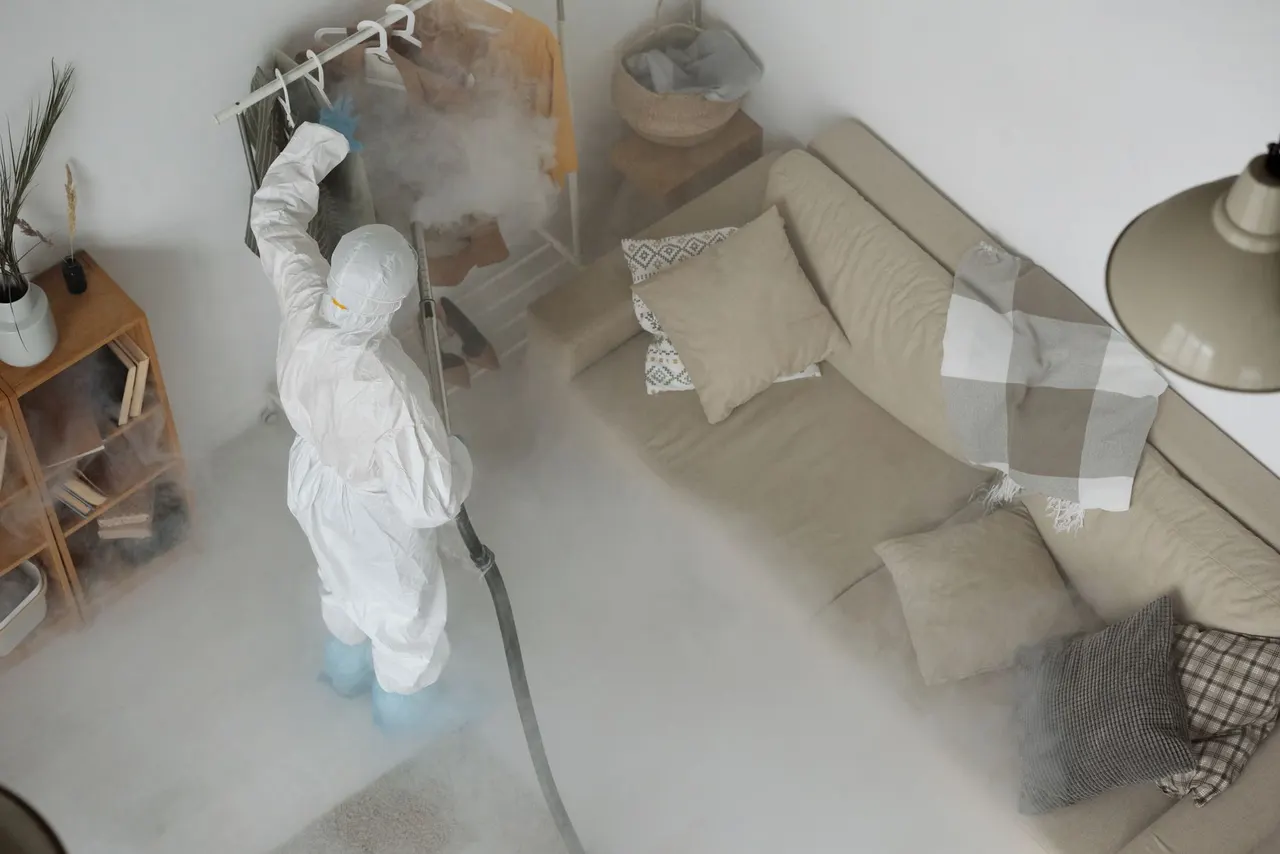
If you searched spray foam removal near me and you are in Halifax, we cover HX1 to HX7 plus the surrounding Calderdale villages. Our local team surveys, quotes and removes foam without subcontracting the blasting work out.
View service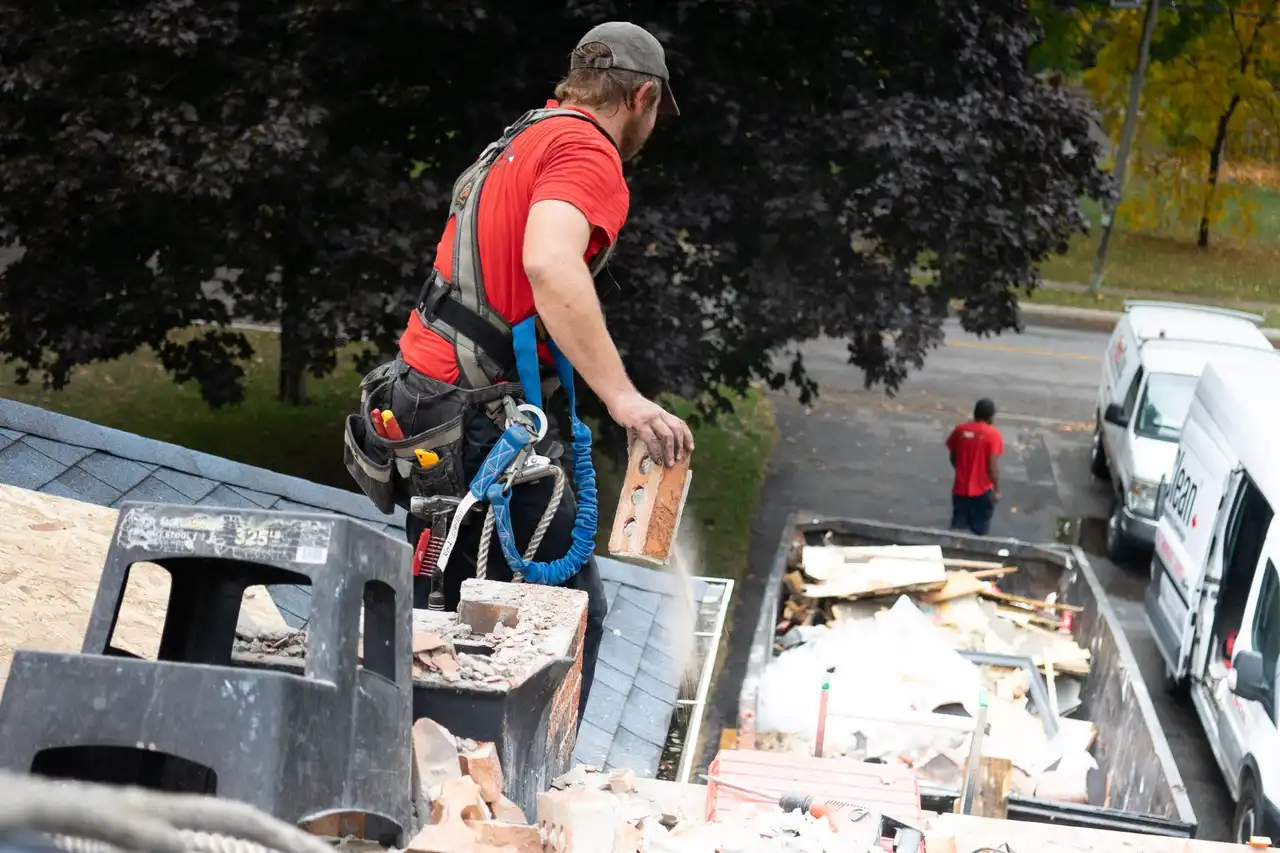
For urgent lender deadlines or a fast house sale, we can sometimes start same day spray foam removal on smaller Halifax lofts. Call before 10am and we will tell you honestly whether the job fits a single visit.
View service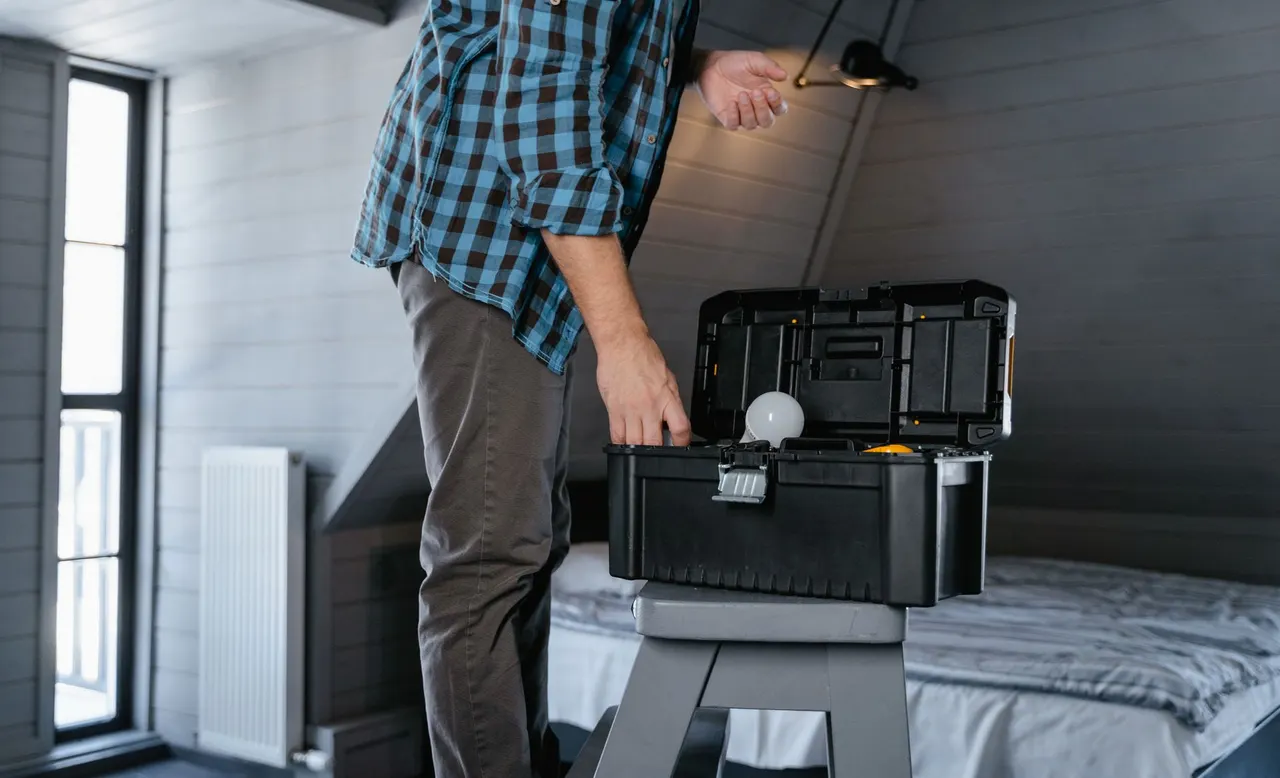
Our 24/7 spray foam removal line covers emergency call-outs across Halifax, including water ingress through foam-sealed roofs. Evening and weekend slots suit homeowners who cannot take a weekday off work.
View service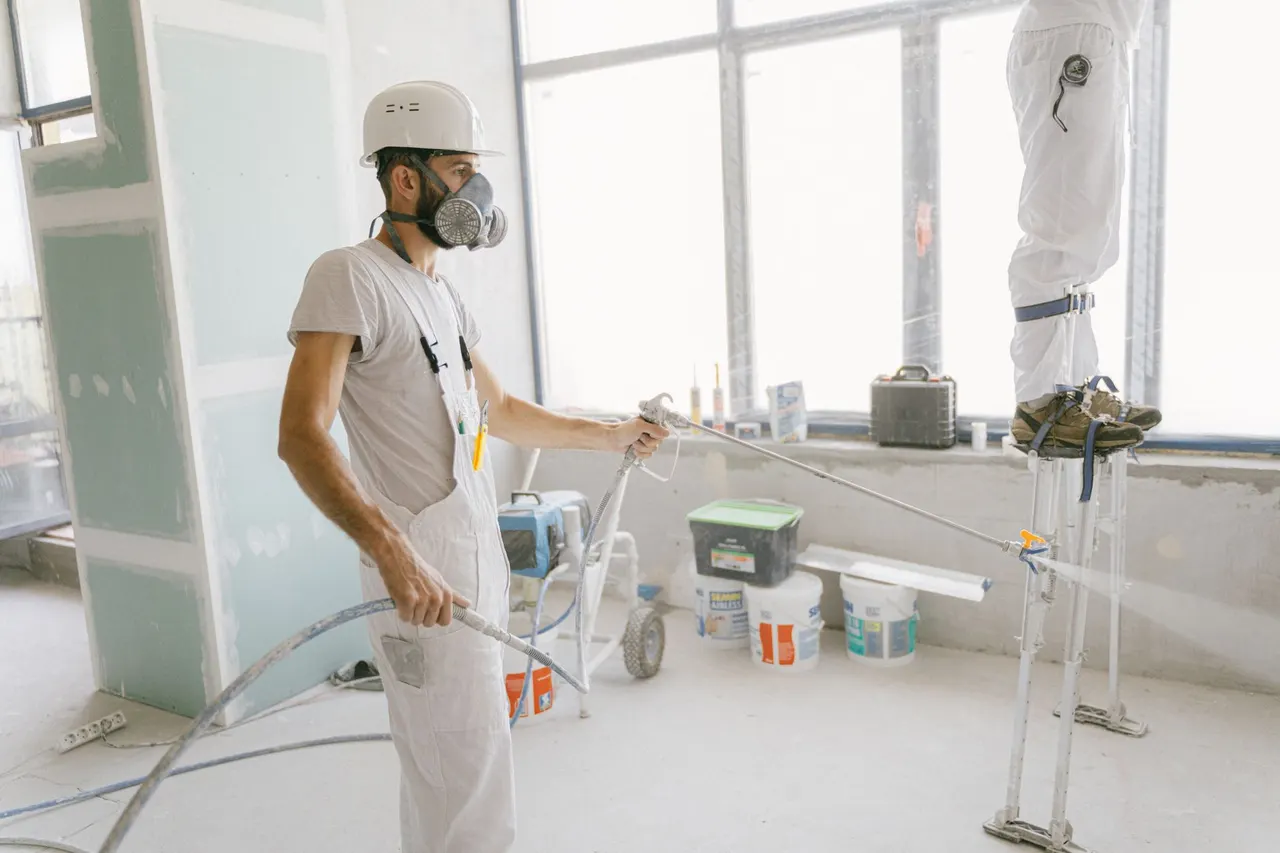
Residential spray foam removal is our core work in Halifax: terraces, semis and detached stone houses with foam in the loft or roof. We protect your home, strip the foam and leave the space ready for compliant insulation.
View service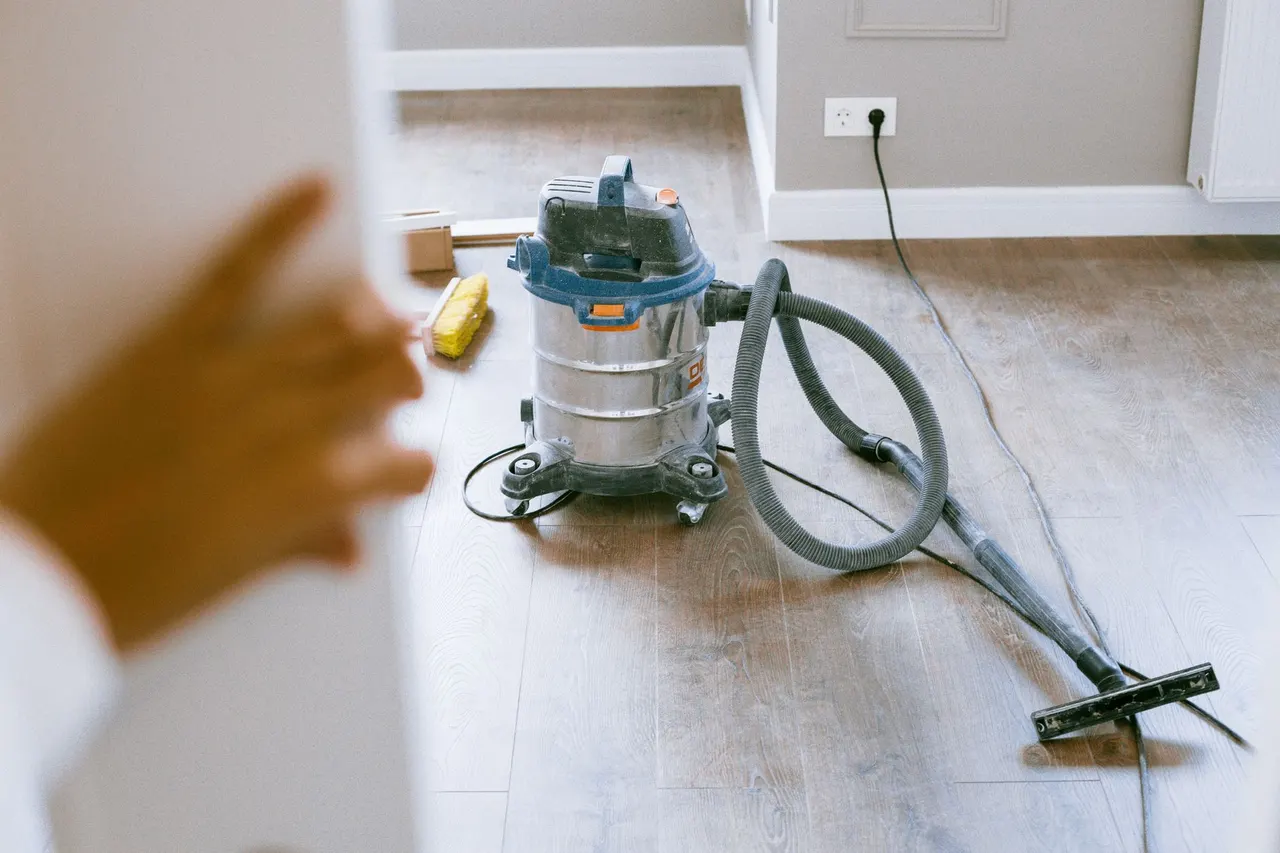
Ring 01422747049 or email info@moderntouchsprayfoam.com and we will get back to you the same working day. We are on the phone from 8am to 6pm Monday to Friday, and the 24/7 line is always open for emergency call-outs across Halifax. Tell us what you have seen and we will tell you what it needs.